Learn how to grind coffee beans without a coffee grinder using easy tools found at home.
Enjoy fresh coffee with simple, step-by-step methods.
You don’t need a fancy grinder to enjoy a great cup of coffee at home.
If you’re wondering how to grind coffee beans without a coffee grinder, you’ll find plenty of creative solutions that work for making your favorite drinks like espresso, latte, cappuccino, or cold brew.
Anyone can use tools found in most kitchens to get the best coffee from fresh beans—even if you only have a rolling pin or a blender.
Grinding your own coffee beans is one of the simplest ways to get better flavor for your daily cup.
Whether your coffee maker is a basic drip, French press, or you’re aiming for a strong cold brew, you’ll learn how different grinding methods can deliver top results.
Stick around to discover simple ways to get closer to barista-level coffee, even if you use decaf coffee or want to try something new.
Key Takeaways:
- You can grind coffee beans without a grinder using common tools.
- Freshly ground beans make espresso, latte, cappuccino, and cold brew taste better.
- There’s a simple method for anyone, no matter what kind of coffee maker you use.
- Making your own coffee at home can be easy and enjoyable.
- Small tweaks can help you enjoy the best coffee and stay healthy.
- Options like Java Burn can be added to your coffee for extra wellness support.
- You’ll gain safe and smart tips to improve your morning coffee ritual.
Quick Answer and Key Takeaways
Getting your favorite cup of coffee doesn’t have to stop just because you don’t own a coffee grinder.
There are several easy ways to grind coffee beans using tools you probably already have in the kitchen.
Whether you’re craving espresso, a creamy latte, a frothy cappuccino, or cool cold brew, you can still get the best coffee flavor using simple household items and a little creativity.
 Photo by Estrella Josento
If you’re in a rush and just need the basics, here’s your quick answer on how to grind coffee beans without a coffee grinder:
Quick Answer
You can grind coffee beans without a coffee grinder by using everyday kitchen tools such as:
- A blender for a medium to coarse grind, great for a classic drip coffee maker or cold brew.
- A rolling pin (plus a sturdy bag or cloth) for a finer, more uniform grind.
- A mortar and pestle for full control over the grind size—perfect for espresso or Turkish coffee fans.
- A hammer or mallet, covered with a towel, for a coarse grind, handy when you need coffee for a French press.
- Even a knife can work in a pinch, though it takes patience.
These methods let you keep enjoying your best coffee, whether it’s a strong espresso or a smooth latte, with the tools you already have in your kitchen. For step-by-step guides, see this how to grind coffee beans without a grinder article.

Key Takeaways
To make it even easier, here are the points you’ll want to remember:
- You don’t need a fancy grinder. With a little effort, kitchen basics like a blender or rolling pin will do the job for any brew style, even if you prefer decaf coffee.
- Freshly ground coffee beans give the best taste no matter how you make your coffee, including espresso, cold brew, cappuccino, or a classic drip.
- Consistency matters. Try to keep your grind size even, especially for espresso or French press—this helps your coffee taste rich and bold.
- Different methods create different results. Mortar and pestle give you lots of control. A blender is fast but less accurate. Pick the tool that matches your style and coffee maker.
- It’s easy to experiment. You might even discover you like your DIY method better than a store-bought grinder.
- Coffee and supplements can work together. Adding extras like Java Burn can help make your coffee ritual healthier, as long as you choose the right ingredients. Learn more about Java Burn’s benefits.
- Safe and simple wins. Always grind on a steady surface, use tools responsibly, and clean up well for the best results.
- For those looking for even more ways to get the most from coffee, check out tips like the health benefits of cold brew.
No grinder? No problem! You’re just a few smart choices away from a delicious coffee moment every day.
For more smart brewing ideas, see these easy coffee recipes for weight loss, or get tips on the best coffee beans to use.
Keep reading for more on how to make the most of your beans and boost your wellness with every cup.
Understanding Coffee Beans and Their Impact on Flavor
Getting the best coffee doesn’t start with fancy gadgets. It starts with coffee beans and how you treat them. Whether you’re figuring out how to grind coffee beans without a coffee grinder or choosing beans at the store, the choices you make have a big effect on your morning cup.
The way you grind your beans and when you grind them makes every sip taste better—especially when you’re craving a smooth latte, bold espresso, or classic cold brew.

Photo by Fisch Productions
Why Freshly Ground Coffee Beans Matter
If you’re used to buying pre-ground coffee, switching to freshly ground beans is like switching from boxed juice to a fresh-squeezed orange.
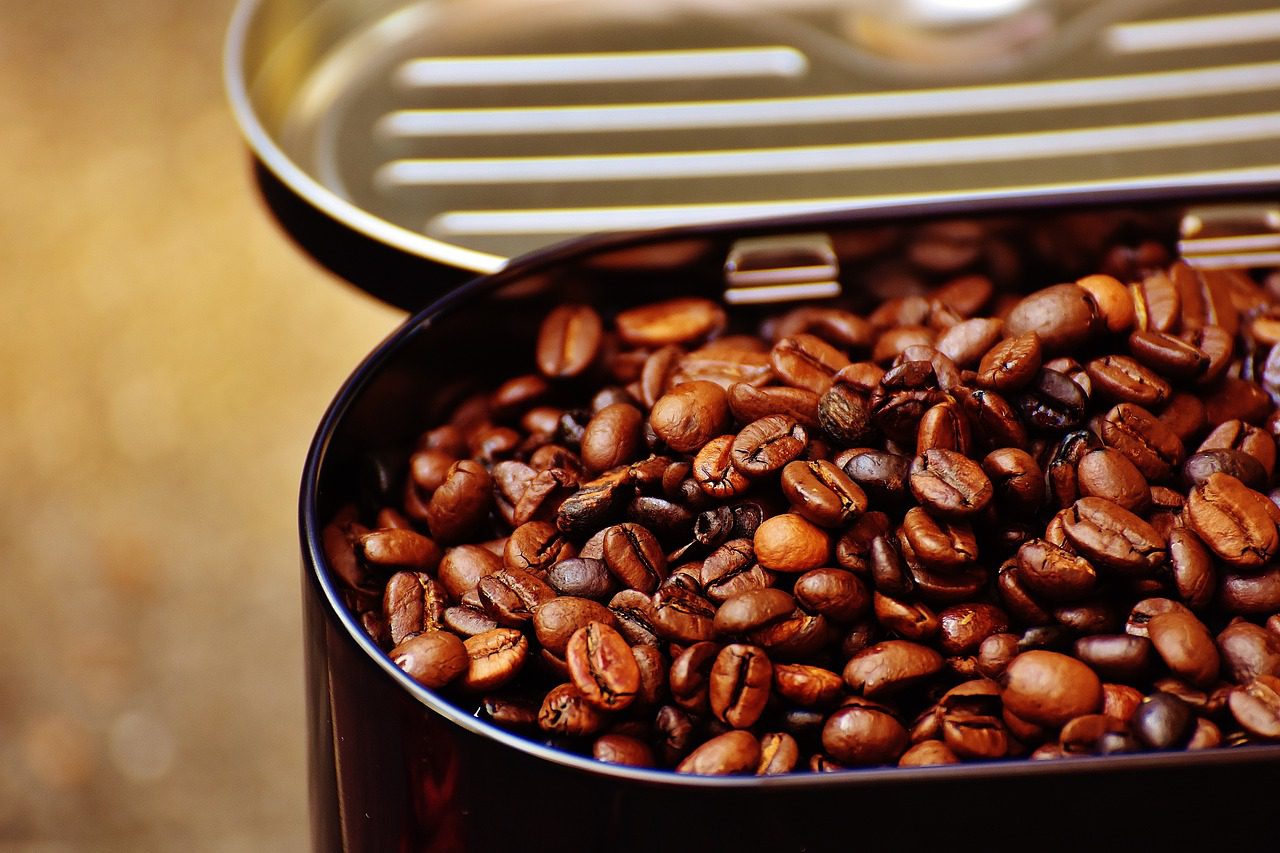
The difference is in the taste and aroma. When you grind coffee beans at home—even if it’s by hand or with a rolling pin—your coffee stays fresher and packs more flavor into every cup.
After coffee beans are ground, they start to lose their best flavors quickly. This is due to oxygen, moisture, and light changing the oils and compounds that give coffee its bold taste and smell.
The fresher your grounds, the richer your morning cup—whether you brew espresso, latte, cappuccino, or even decaf coffee.
Here’s why freshness matters for every kind of coffee:
- Espresso and lattes rely on bold, balanced flavor. Fresh grounds keep the shot sweet and strong.
- Cappuccino shines with fresh, aromatic beans that blend perfectly with milk.
- Cold brew gets a smoother body and deeper taste with just-ground beans.
- Even decaf coffee benefits, losing the “stale” aftertaste that’s common with pre-ground options.
Want proof? Check out what experts say about why using fresh ground coffee is worth the extra effort.
Even if you don’t use a traditional grinder, grinding right before you brew will help you get the best coffee flavor every time.
Choosing the Right Grind for Your Coffee Maker
Picking the best grind size is as important as picking the beans themselves.
Each coffee maker needs a different grind size to get the right flavor and texture, and this holds true whether you grind beans in a blender, use a mortar and pestle, or even just smash them with a rolling pin.
Here’s a quick guide to matching your brew method to grind size:
- Espresso: Needs a fine grind—almost like table salt—for best pressure and crema.
- Latte and cappuccino: Start with an espresso grind since they’re both made with espresso shots.
- Cold brew: Use a coarse grind, similar to raw sugar or breadcrumbs. This helps filter cleanly and gives a smooth mouthfeel.
- French press: Go for a chunky, coarse grind to avoid a muddy cup and let the flavors shine through.
Let’s put this in a chart for easy reference:
| Coffee Drink | Coffee Maker Type | Best Grind Size | Texture |
|---|---|---|---|
| Espresso | Espresso Machine | Fine | Like table salt |
| Latte/Cappuccino | Espresso-Based | Fine | Like table salt |
| Cold Brew | Steeper/Jar | Coarse | Like raw sugar |
| French Press | Plunger Press | Coarse | Chunky, like breadcrumbs |
Grinding your beans to match your brew style makes a real difference, even if you use basic kitchen items. Want a detailed chart?
Check out this coffee grind chart for an easy visual guide.
Key Takeaways:
- Freshly ground beans deliver the best coffee, every time.
- Choose fine grinds for espresso, latte, and cappuccino; coarse for cold brew and French press.
- You don’t need fancy gear—a little effort and the right grind bring out the best in any coffee maker.
- If you want to know which coffee beans might suit your style best, check out these tips on choosing coffee beans for your maker.
It’s these small changes—fresh beans and the right grind—that make all the difference when learning how to grind coffee beans without a coffee grinder.
The process is simple, approachable, and helps everyone get closer to that coffee shop flavor at home.
Creative Ways to Grind Coffee Beans Without a Grinder
Running out of ground coffee and finding your coffee grinder missing is a pain—but it’s not the end of your coffee dreams.
Learning how to grind coffee beans without a coffee grinder is a handy kitchen skill, and you might even have fun along the way.
Whether you’re hoping for the best coffee for your morning espresso, a creamy latte, a classic cappuccino, or a smooth cold brew, these creative methods will help you get the job done.
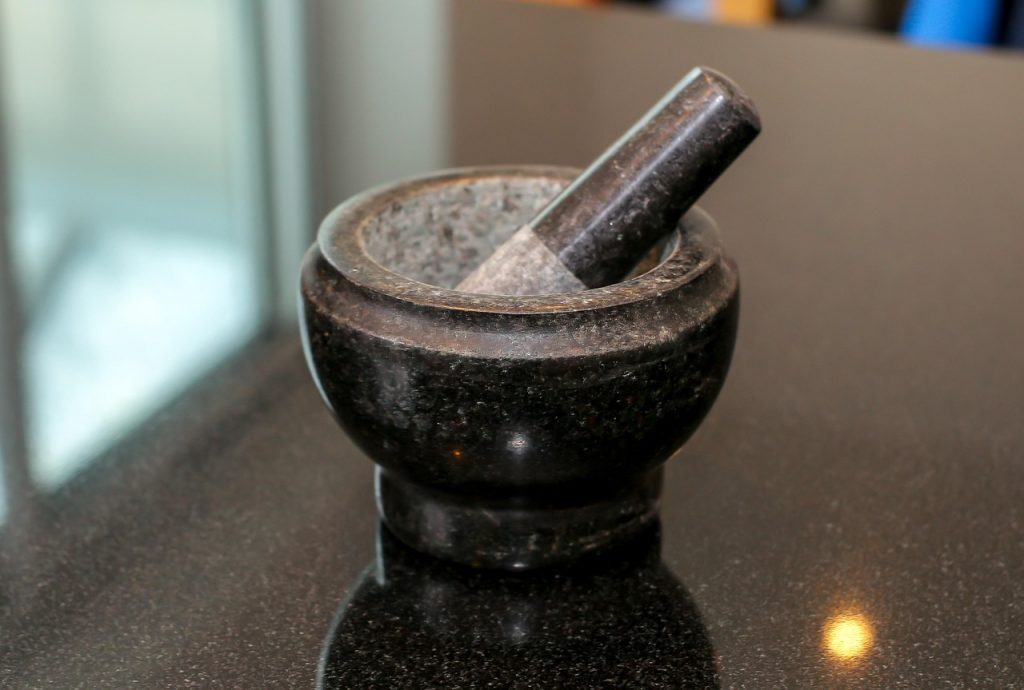
Using a Mortar and Pestle
A mortar and pestle isn’t just for crushing herbs—it’s also a fantastic way to grind coffee beans to your liking.
This classic kitchen tool gives you a surprising amount of control over the grind size, making it perfect whether you need fine grounds for espresso or something a bit chunkier for French press or cold brew.
 Photo by ML Medina
Here’s how to tackle the job:
- Pour a small handful of coffee beans (about 1/4 full) into the mortar. Don’t overfill, as you need room to work.
- Hold the mortar steady with one hand.
- Use the pestle to press down and twist, breaking the beans into smaller pieces.
- Once the beans are broken, use a circular motion, grinding them against the mortar walls until you reach the texture you like.
This method can take a few minutes and a bit of elbow grease, but the reward is a rich aroma and a beautiful pile of fresh coffee ready for your favorite coffee maker.
If you want detailed steps, here’s a step-by-step guide to grinding coffee beans with a mortar and pestle.
Key Takeaway: The mortar and pestle is a favorite tool for those who want the best coffee with full control over grind size—ideal for espresso fans and those experimenting with brew styles.
Blender and Food Processor Methods
If you need a quick and easy way to grind your coffee beans, look no further than your blender or food processor.
These kitchen staples break down coffee beans fast, delivering a medium to coarse grind perfect for drip coffee or cold brew.
These guys are ideal for grinding your coffee beans…
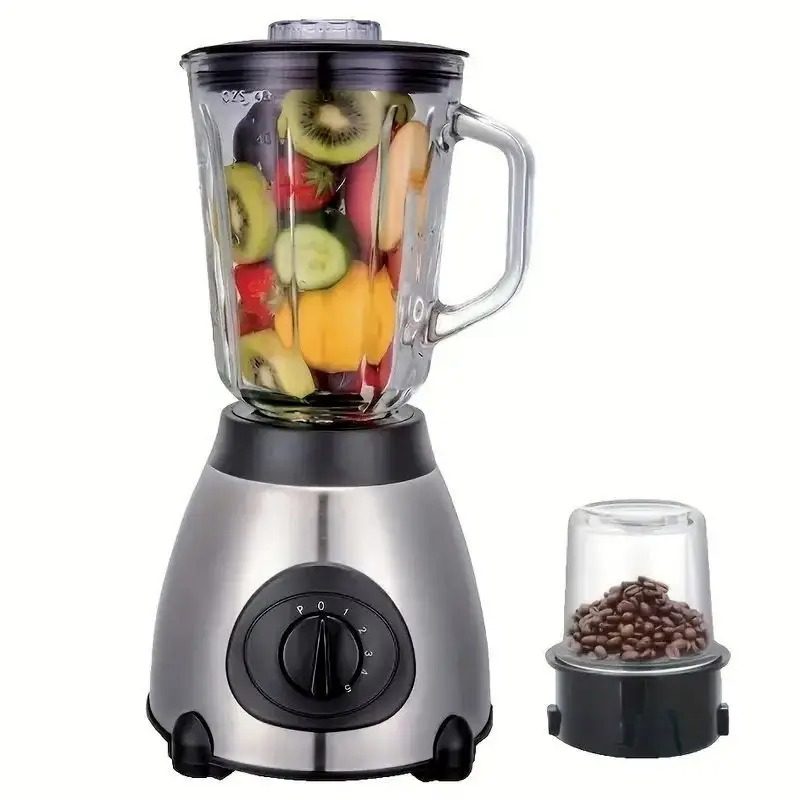
To get a consistent grind, follow these tips:
- Pulse in short bursts instead of running the blender on full speed. This avoids overheating the beans and burning the oils, which give coffee its flavor.
- Tilt the blender or processor gently from side to side. This helps the beans fall back toward the blades and grind more evenly.
- Process only a small amount of beans at a time. Too many beans can jam the blades and give you uneven grounds.
If your blender is powerful, it might even do well with small batches of espresso grind.
Just keep an eye on the texture—it’s easy to go from coarse to powder in seconds!
Bonus Tip: Always let your machine cool between batches to avoid any unwanted heat in the beans.
For inspiration on how to use your blender or food processor for this, see how experts tackle it in this helpful coffee grinding guide.
Rolling Pin, Hammer, and Other Household Tools
You don’t have to get fancy to make a good cup of coffee. If all else fails, ordinary tools like a rolling pin, hammer, or even a sturdy chef’s knife will help you turn whole beans into grounds.
- Rolling Pin: Place your coffee beans in a zip-top bag or between two sheets of parchment. Press down with the rolling pin, then roll back and forth, crushing the beans to the texture you need. This works best for medium or coarse coffee—think French press or cold brew.
- Hammer or Mallet: Put your beans in a strong freezer bag, seal tightly, and gently tap with a hammer. Don’t smash too hard—work slowly to avoid beans shooting everywhere.
- Knife: Lay a large, flat chef’s knife over your beans, then press down with your palm. This crushes the beans, but be careful and use a sturdy cutting board.
Key Takeaways:
- These household tools are safe and easy options for anyone learning how to grind coffee beans without a coffee grinder.
- You’ll get a coarser grind, which is just right for cold brew and French press.
- Always use a strong bag or towel to hold the beans and keep your surfaces safe.
Looking for more ways to get great results at home?
Check out simple brewing tips like these easy coffee recipes for weight loss to boost your coffee routine, no matter which grind method you pick.
Summary of This Section:
- Any kitchen can become your coffee workshop.
- Mortar and pestle give precision, while blenders and household tools provide speed and simplicity.
- Every method brings out different flavors in your espresso, latte, cappuccino, or cold brew—make it your own.
Keep exploring and enjoy every step of making the best coffee at home, even without a grinder.
Getting the Best Coffee Flavor Without Expensive Equipment
You don’t need a fancy setup or the latest high-tech gadget to brew the best coffee right at home.
Even if you’re learning how to grind coffee beans without a coffee grinder, with a few clever tricks and a bit of patience, you can create bold, delicious drinks like espresso, latte, cappuccino, or cold brew.
This section will help you get the most flavor using simple tools and smart habits, so every cup feels special—no matter what equipment you own.
Maximizing Flavor from Non-Uniform Grinds
When you grind coffee beans with basic kitchen tools, your grind will probably be a little uneven.
This mix of fine and coarse bits isn’t the end of the world—it just means you need to adjust your brewing process for the best taste.
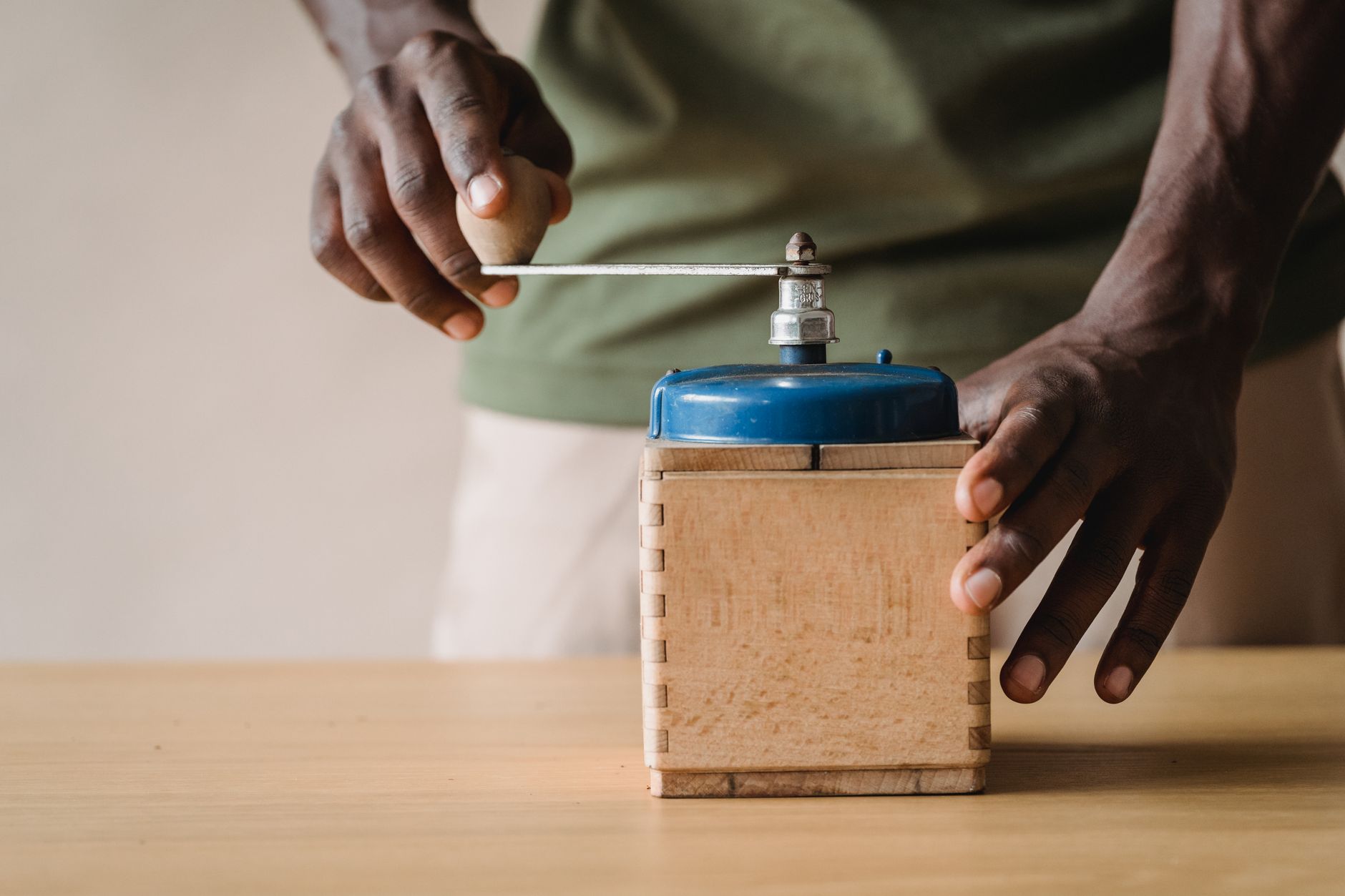 Photo by Mizuno K
Try these helpful pointers to bring out more flavor, even with non-uniform grounds:
- Adjust steeping time. Coarse pieces need more time to release flavor, so let your coffee brew a bit longer for cold brew or French press. If you use a finer grind (even with some chunks mixed in), reduce the brew time slightly to avoid bitterness.
- Stir during brewing. Gently stirring your coffee as it steeps helps mix the grounds and allows water to extract all the good stuff evenly.
- Use a filter. Even if your grind isn’t perfect, a sturdy paper or mesh filter in your coffee maker can catch unwanted grit, so your espresso or drip coffee turns out smooth.
- Aim for small batches. Try brewing smaller amounts at first. It’s easier to control strength and flavor with less coffee as you figure out what works for you.
For more details on matching grind sizes to your brew, see this complete guide to coffee grind size.

Simple Brewing Methods for Home Baristas
You can turn almost any kitchen into a mini-café with the right approach, even without a grinder.
Here are some tried-and-true brewing methods perfect for beginners and seasoned coffee lovers alike:
- French Press: Toss your hand-crushed or blended grounds into a French press. Let them steep for four to five minutes, press down the plunger, and enjoy coffee that’s full-bodied and flavorful—even with a chunky grind.
- Drip Coffee Maker: Pour your uneven grounds into a paper filter and brew as usual. Medium grind works best, but a mix of medium and coarse will still yield a tasty cup without any special tweaks.
- Cold Brew: Combine coarse or mixed grounds with cold water in a jar. Let it steep in the fridge overnight (about 12 hours). Strain through a fine mesh or cheesecloth for a smooth, mellow drink.
- Moka Pot or AeroPress: For espresso-style drinks like latte or cappuccino, you can use your finest hand-ground coffee in a moka pot or AeroPress. Just make sure there aren’t too many large pieces, or the pressure might not build well.
Learning how to grind coffee beans without a coffee grinder unlocks lots of flexibility.
If you’re eager to experiment, explore more easy coffee recipes for every style, from cold brew to keto lattes, in our collection of coffee recipes for weight loss.
Healthy Coffee Habits and Safe Supplement Use
Coffee is more than just a morning pick-me-up. It can also support your goals for wellness, especially when you make thoughtful choices about what goes in your cup.
Here’s how to keep your coffee ritual both delicious and healthy:
- Balance your add-ins. Skip lots of sugar or heavy cream and try plant-based milks, cinnamon, or a touch of honey. This keeps your coffee on the lighter side, whether you drink espresso, cappuccino, or decaf coffee.
- Suppress the jitters. If you’re sensitive, try decaf coffee or split your daily grind between regular and decaf beans. Many folks find this gives them all the taste and none of the post-caffeine crash.
- Time your coffee right. Have your main cup in the morning or early afternoon so the caffeine doesn’t keep you awake later. If you’re adding supplements or coffee boosters like Java Burn, do so in line with the product’s instructions.
- Be smart with supplements. Only use supplements that list clear, science-backed ingredients. Products such as Java Burn offer an easy way to add helpful nutrients or metabolism support to your routine, but the best coffee starts with quality beans and balanced habits.
- Stay hydrated. Coffee can be drying, so always pair your favorite mug with a glass of water nearby.
- Don’t go overboard. Even the best coffee is best in moderation. Limit yourself to a few cups per day to keep your heart and mind feeling their best.
If you’re interested in safe ways to combine supplements and coffee, our in-depth page on Java Burn benefits and usage explains how to maximize results while looking after your body.
Key Takeaways:
- You can enjoy full-bodied flavor with hand-ground coffee using household tools.
- Non-uniform grinds still taste great—just tweak your brew time and filtering.
- Homemade espresso, latte, cappuccino, or cold brew are all possible without a grinder.
- Prioritize healthy add-ins and use coffee supplements wisely for the best daily ritual.
- Decaf coffee is a smart choice for those who want to enjoy the taste without extra caffeine.
- Coffee is at its best when paired with smart habits and wellness-focused choices.
This approach to making and enjoying coffee puts you in control—no expensive equipment needed, just curiosity and care.
Conclusion
Finding new ways to grind coffee beans without a coffee grinder opens up a world of delicious options, from bold espresso to classic cold brew.
Kitchen tools like a blender, rolling pin, or mortar and pestle help unlock fresh coffee flavor at home, no special gadgets needed.
With a little curiosity and care, anyone can brew their best coffee every day—whether you love a creamy latte, strong cappuccino, or decaf coffee.
Coffee isn’t just tasty—it’s packed with benefits. Enjoying coffee mindfully, and exploring supplements like Java Burn, can fit right into a healthy routine.
Many people find that a smart coffee ritual helps with focus, energy, and even a healthy metabolism. Plus, choosing the right grind and method makes the whole process rewarding.
Thank you for letting Brew Your Burn be a part of your coffee journey. Ready to try something new with your daily cup?
Explore more time-saving coffee tips or learn how to master brewing with our French press guide.
Key Takeaways
- You can make the best coffee without an electric grinder using regular kitchen tools.
- Freshly ground coffee beans always taste better, no matter your brewing style.
- Even simple methods work for espresso, latte, cappuccino, cold brew, and decaf coffee.
- Coffee can support energy and metabolism, especially when paired with healthy add-ins or supplements like Java Burn.
- Safety matters: Use strong bags, steady surfaces, and take your time for the best results.
- Keep experimenting with different beans and brewing styles to find your favorite cup.

How Does Coffee (and Java Burn) Fit Into a Healthy Life?
When you drink coffee mindfully—using quality beans and healthy extras—it can give you a gentle energy boost, help with focus, and support metabolism.
Supplements like Java Burn are designed to add nutrients and support fat burning when combined with your favorite coffee. For many, this makes coffee not just a treat, but a simple way to feel their best each day.
Remember to use moderation, pick smart add-ins, and enjoy every cup.
FAQs
1. What’s the simplest way to grind coffee beans without a coffee grinder?
Try using a blender or food processor for a quick grind, or crush beans with a rolling pin or heavy spoon in a sturdy bag for a more hands-on method.
2. Will my coffee taste good if the grind isn’t perfect?
Yes! Even with an uneven grind, you can still brew delicious coffee. Adjust your steeping time and filter well for smooth results.
3. Is it safe to use tools like a hammer or knife to grind beans?
Yes, as long as you use a thick bag or towel and a stable work surface. Work slowly and carefully to stay safe.
4. What’s the best coffee for a French press or cold brew if I don’t have a grinder?
Go for coarsely crushed beans. A rolling pin or the bottom of a heavy pan works well. For more on brewing, see our French press coffee guide.
5. Can I use the same grinding tricks for decaf coffee beans?
Absolutely! Decaf beans grind and brew just like regular beans. The same home methods work for both.
6. What are the health perks of coffee and Java Burn?
Coffee can give mental focus and energy. Java Burn offers extra support for metabolism and wellness when added to coffee. Learn more about Java Burn’s benefits.
7. Do I need special equipment to enjoy great coffee at home?
Nope. While a grinder helps, a few simple kitchen tools and some fresh coffee beans are enough to brew amazing drinks every day.
Thank you for spending time with us at Brew Your Burn! Try these methods yourself and let us know what works best for your morning coffee.