
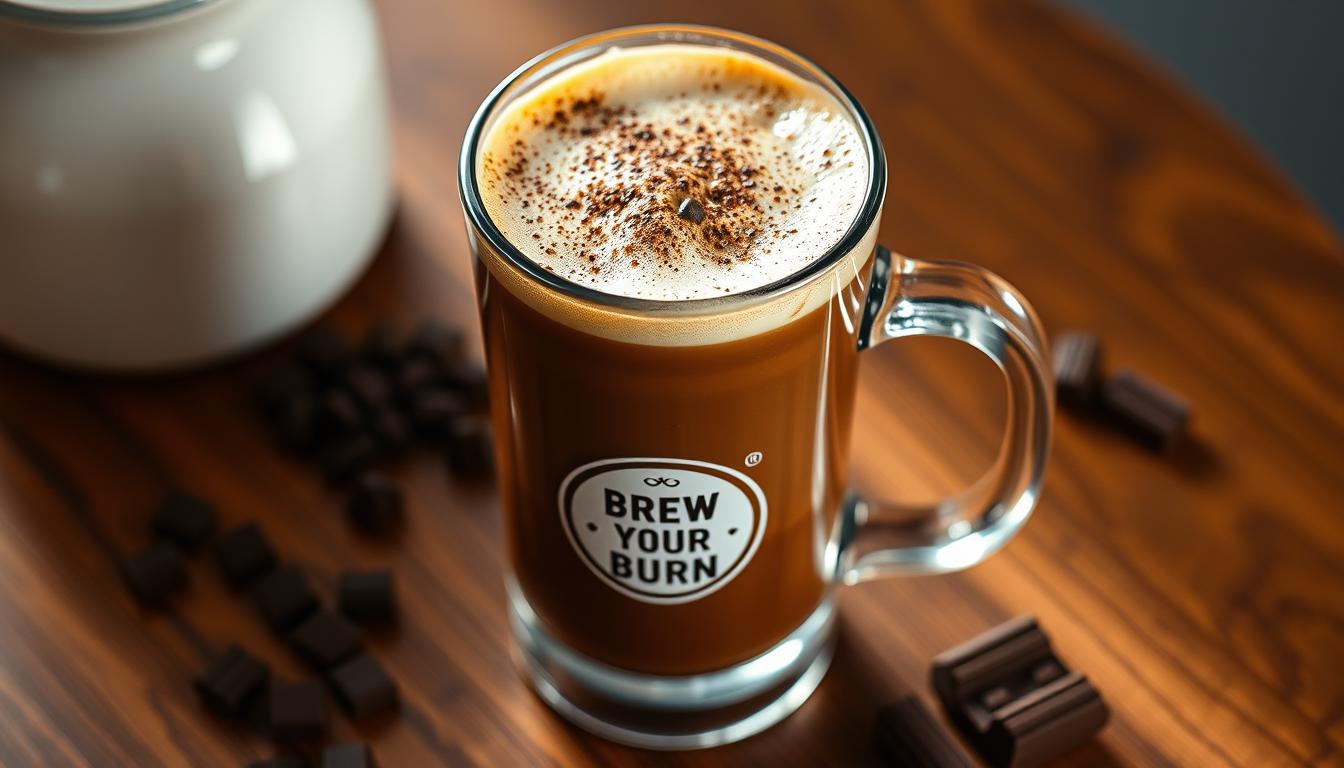
Some mornings, coffee just isn’t enough. You crave a small, warm ritual to start your day.
I recall my first mochaccino in Seattle: the chocolate was like a warm hug, and the milk was a soothing whisper.
This guide aims to bring that comfort to your home or café.
A mochaccino is a mix of espresso, chocolate, and steamed milk. It’s a drink that’s richer than a cappuccino but lighter than some mochas. It’s a perfect blend of flavors.
The word “mocha” comes from Yemen’s Mokha port, known for its coffee. Later, Europeans added chocolate to their coffee drinks, creating mochas and mochaccinos.
This article will explain what a mochaccino is. You’ll learn about ingredients, recipes, and how to make it at home.
We’ll also compare it to other drinks and explore tasty variations.
Key Takeaways
- The mochaccino blends espresso, chocolate, and steamed milk for a chocolatey, frothy drink.
- It sits stylistically between a mocha and a cappuccino in richness and texture.
- The name links back to Mokha, Yemen, though chocolate additions came later in Europe.
- This guide will cover ingredients, recipes, home methods, and comparisons to similar drinks.
- Expect practical tips to help you make or order a great mochaccino with confidence.
what is mochaccino
The term mochaccino often raises questions about its history and taste. People want to know how its taste connects to its origins.
This section will explain the drink’s name and how it compares to other coffees.
Origins of the name and link to Mokha, Yemen
The word mocha comes from the Yemeni port of Mokha. This port was a key coffee exporter from the 15th to 17th centuries.
Merchants used the name Mokha Yemen to label high-quality coffees.
European traders found a unique taste in some Yemeni beans. They noted a winey, chocolate-like flavor. When chocolate drinks came to Europe in the 17th century, people started mixing coffee and chocolate.
This mix eventually became known as mocha in cafés.
How mochaccino differs from caffè mocha and mocaccino
Names can vary across regions, so let’s compare them.
Caffè mocha is an espresso drink with hot milk and chocolate. It has a latte-style milk ratio and may have whipped cream or froth on top.
Mocaccino and mochaccino are similar but focus on foam and espresso differently. Baristas often define mochaccino as a cappuccino-like drink with chocolate notes.
This gives it a stronger espresso flavor and thicker foam than a typical mocha.
| Drink | Main elements | Texture | Taste focus |
|---|---|---|---|
| caffè mocha | Espresso, steamed milk, and chocolate | Smoother, latte-like | Chocolate-forward, milder espresso |
| mocaccino | Espresso, chocolate, foam | Foam-forward, balanced | An even blend of espresso and chocolate |
| mochaccino | Espresso, chocolate, thick foam | Thicker foam, cappuccino-style | Espresso-forward with chocolate notes |
When you order, tell the café what you prefer. Different recipes mean that asking for a stronger espresso or extra foam can change your drink.
This small request can make a big difference in how chocolate and coffee come together in your cup.
mocha and mochaccino definition and characteristics
Understanding a mocha or mochaccino starts with knowing what it is. It’s a mix of espresso, chocolate, and steamed milk. You’ll taste roasted coffee and sweet cocoa, all blended with creamy milk.
The mochaccino has a layered look and a milk foam top. This foam makes it feel light, like a cappuccino. The chocolate adds richness, while the espresso brings a deep, aromatic flavor.
The basic ingredients are simple. You need espresso, cocoa powder, chocolate syrup, or melted chocolate. Add steamed milk and a foam layer, and you have a comforting drink.
Changing the drink’s taste is easy. Dark chocolate makes it bolder, while milk chocolate is sweeter.
White chocolate gives it a creamy, sweet flavor, turning it into a dessert drink.
How you serve it matters. It’s best in a tall glass or ceramic cup. A clear glass shows off the layers, while a cup keeps it warm. The top should have a thin milk foam layer, ready for garnishes.
Garnishes add to the drink’s appeal. Cocoa powder or cinnamon on top enhance the aroma. Chocolate shavings and drizzle add flavor and look. S
ome drinks even have whipped cream, marshmallows, or syrups for extra sweetness.
| Aspect | Typical Ingredients | Effect on Flavor |
|---|---|---|
| Espresso | Single or double shot | Provides roasted bitterness and caffeine lift |
| Chocolate | Cocoa powder, syrup, melted or grated bar | Adds sweetness, body, and theobromine-based warmth |
| Milk | Steamed milk and microfoam | Softens espresso, creates creamy texture |
| Garnish | Cocoa, cinnamon, shavings, syrup, whipped cream | Enhances aroma, texture, and visual appeal |
| Serving style | Hot cup or tall glass; iced option | Glass shows layers; the cup keeps warmth |
mochaccino ingredients and best mochaccino recipe
A great mochaccino has bold espresso, rich chocolate, and creamy milk. Here are the key ingredients and a simple recipe to make one at home.
Essential ingredients and substitutions
Start with two shots of espresso (about 2 ounces). If you don’t have an espresso machine, use 3–4 ounces of strong brewed coffee instead.
For chocolate, pick chocolate syrup for ease, or mix cocoa powder with sugar. You can also use melted dark chocolate or chocolate chips. For a white mocha, use white chocolate.
Milk is key for texture and foam. Whole milk makes the creamiest, most stable foam. 2% milk is a good balance. Skim milk foams well but lacks stability. For plant-based options, oat milk froths best, followed by soy and almond.
You can top it with cocoa powder, cinnamon, chocolate shavings, or whipped cream.
Step-by-step best mochaccino recipe
Follow this café-style method to make a mochaccino that’s balanced and smooth.
- Pull two espresso shots (2 oz) into a tall glass.
- Stir in 1–2 oz chocolate syrup, or add dissolved cocoa powder and sugar. Mix until the chocolate is fully incorporated.
- Steam and froth 4 oz milk until hot with velvety microfoam. If you don’t have a steam wand, heat milk on the stove or in the microwave, then shake in a sealed jar or use a handheld frother.
- Pour steamed milk over the chocolate-espresso mixture while holding back most foam. Spoon the foam on top to create a cappuccino-like texture.
- Garnish with a dusting of cocoa powder or a drizzle of chocolate syrup to taste.
The typical ratio is 1 part espresso: 1 part chocolate: 2 parts steamed milk. This helps you adjust the recipe for any size.
| Component | Amount | Best Substitute | Notes |
|---|---|---|---|
| Espresso | 2 shots (≈2 oz) | 3–4 oz strong brewed coffee | Use freshly ground medium-dark roast for fuller flavor |
| Chocolate | 1–2 oz syrup or 1 tbsp cocoa + sugar | Melted dark or milk chocolate, white chocolate variant | Adjust sweetness to preference |
| Milk | 4 oz | Oat, soy, almond, coconut | Whole milk for creaminess; oat is the best non-dairy frother |
| Foam | As desired | Whipped cream for a richer finish | Spoon foam for a cappuccino-like top |
| Garnish | Pinch or drizzle | Cinnamon, chocolate shavings | Add visual appeal and aroma |
How to make mochaccino at home
Making mochaccino at home is simpler than you think. With a plan for brewing, frothing, and layering, you can achieve café-quality results.
You don’t need fancy tools to do it. Here are some easy ways to brew without an espresso machine and tips for frothing milk.
Brewing options without an espresso machine
You can still make mochaccino without an espresso machine. A stovetop Moka pot can make a strong shot. Use a fine grind and aim for 1–2 ounces for the best flavor.
The Aeropress can also make a strong shot. Use a finer grind and less water.
Both flip and standard methods work well, just make sure to brew quickly and plunge firmly.
Strong drip or pour-over coffee works too. Increase the coffee-to-water ratio to make a concentrated base.
Use 3–4 ounces of coffee for a rich base that’s perfect with milk and chocolate.
Instant espresso powder is a quick fix. It won’t taste the same as fresh espresso, but it’s easy to mix into hot water for a quick mochaccino base.
Milk frothing techniques and milk choices
The type of milk you choose affects your mochaccino’s texture. Whole milk gives a rich texture and stable foam. 2% milk is a good balance between creaminess and foam volume. Skim milk foams the most but is thinner.
Oat milk is the best plant-based choice for creaminess and foaming. Almond and coconut milk can also foam, but their stability and flavor vary. Coconut adds a sweet touch that pairs well with chocolate.
Steam wand frothing is the best way to get microfoam and control temperature. If you don’t have one, an electric handheld frother works well for home use.
For a no-gadget option, use a jar-shaking method. Heat the milk gently, seal it in a mason jar, and shake hard until frothy.
Let the foam settle a bit before pouring.
A French press can also froth milk. Heat the milk, then plunge the press quickly to aerate it. This creates a creamy foam that pours well over coffee.
Froth milk just before pouring and avoid overheating. Aim for 150–155°F. Practice layering to get a cappuccino-style mochaccino that balances coffee, chocolate, and milk.
mochaccino vs latte vs cappuccino vs mocha
Choosing between espresso drinks is easier when you know the differences. This comparison shows milk ratios, foam levels, and chocolate intensity.
It helps you pick the perfect cup for your mood.
Comparison table description
| Drink | Main components | Milk to espresso | Foam | Chocolate | Typical feel |
|---|---|---|---|---|---|
| Mochaccino | Espresso, chocolate, steamed milk, thick milk foam | About 2 parts milk: 1 espresso (with equal chocolate) | Thick, cappuccino-like foam | Pronounced chocolate | Foamy, chocolate-forward, espresso presence |
| Latte | Espresso, large steamed milk, light foam | High milk ratio (milk-forward) | Thin, light layer | None by default | Smooth, mild coffee flavor |
| Cappuccino | Espresso, equal steamed milk, and microfoam | Balanced milk to espresso (roughly equal parts) | Airy, thick microfoam | None by default | Strong espresso with textured foam |
| Mocha (caffè mocha) | Espresso, steamed milk, chocolate, sometimes whipped cream | Similar to latte (more milk) | Less foam than mochaccino | High, often sweeter | Chocolatey, dessert-like, smooth |
When to choose each drink
Choose a mochaccino for a chocolatey cup with strong espresso. It has a foamy, cappuccino-style texture. It’s perfect for those who love bold chocolate and a creamy top.
Go for a latte if you prefer a mild, milky coffee. It’s great for those who enjoy milk-forward drinks and want to see latte art.
Opt for a cappuccino for a balanced, espresso-forward drink. It has a lot of foam. It’s ideal for those who like stronger coffee and a textured sip.
Choose a mocha for a sweet, hot, chocolate-like drink with coffee. It’s like a dessert and pairs well with pastries.
This guide helps you match flavor and texture to your mood. Use it when ordering at Starbucks, Peet’s, or a local café. It ensures you get the experience you expect.
mochaccino variations and best mochaccino recipes to try
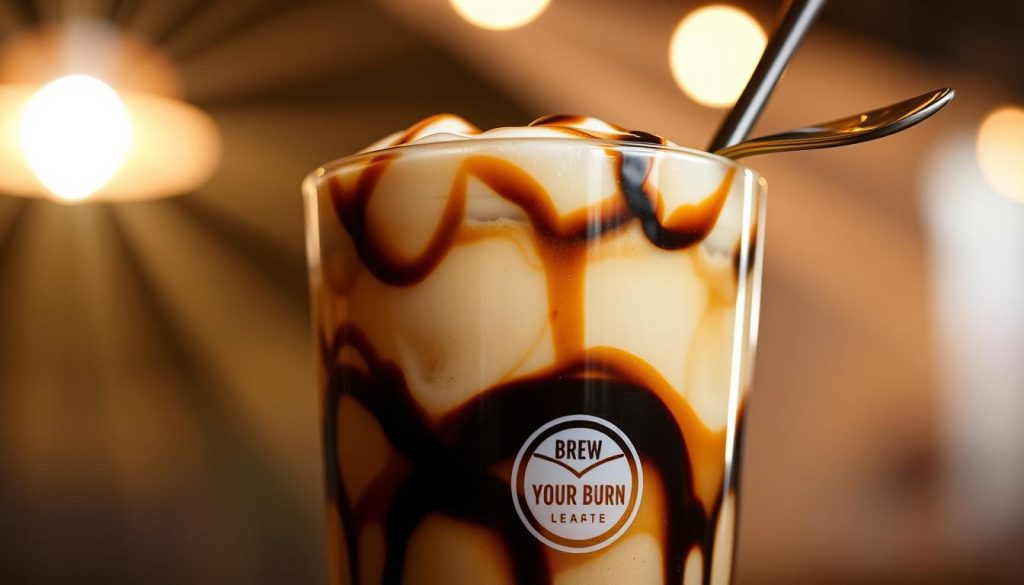
This guide shows you how to make different mochaccino recipes at home. Start with a base, then add textures and flavors.
You can also adjust the amounts to suit your taste. Try iced mochaccino, blended frappé, and add-ins for extra flavor.
Iced and blended versions
For an iced mochaccino, mix chilled espresso or strong coffee with chocolate syrup and cold milk over ice. Top it with cold foam or whipped cream for a nice contrast.
For a blended frappé, blend ice, espresso, milk, and chocolate until smooth. Add vanilla ice cream for richness or frozen banana for a healthier option.
Cold-brew mochaccino uses cold brew instead of hot espresso. It’s smoother and less acidic, perfect with dark chocolate or maple syrup.
Flavor twists and add-ins
Change the chocolate to change the mood. Dark chocolate is bitter, milk chocolate is creamy, and white chocolate is sweet. Mix them for unique mochaccino recipes.
Try syrups like vanilla, hazelnut, or caramel for extra flavor. Add cinnamon, nutmeg, or flaky sea salt on top. For adults, add amaretto, Kahlúa, or Baileys for a cozy drink.
For a special touch, add marshmallows, chocolate shavings, or cocoa dusting. For a healthier option, use unsweetened cocoa with honey or maple syrup and low-calorie syrups.
Here’s a quick guide to help you pick the right mochaccino recipe for any occasion.
| Style | Key Ingredients | Texture | Best Moment to Serve |
|---|---|---|---|
| Iced mochaccino | Chilled espresso, chocolate syrup, cold milk, ice | Refreshing, crisp | Hot afternoons, on-the-go |
| Blended frappé mochaccino | Espresso, milk, ice, chocolate, and optional ice cream | Creamy, slushy | Summer treats, dessert-style |
| Cold-brew mochaccino | Concentrated cold brew, cocoa, milk | Smooth, mellow | Long brunches, low-acid preference |
| Spiced or boozy twist | Base mochaccino, spice or liqueur | Complex, aromatic | Evening gatherings, festive occasions |
Start with these mochaccino variations and experiment. Try different chocolates, syrups, and toppings. Small changes can make a big difference in flavor.
Get this great design to show your love for Mocha!
Mocha coffee calories and caffeine content
Knowing about mochaccino calories and caffeine is key to making better choices. The amounts vary based on the coffee, milk, size, and toppings.
Here are some tips to keep your drink in line with your goals.
Caffeine content and serving-size examples
An espresso-based mochaccino often has one or two shots. One shot has about 63 mg of caffeine. Two shots can have 120–160 mg, depending on the bean and brewing method.
A 12-ounce mocha can have around 150 mg of caffeine. This is based on common concentrations.
Using brewed coffee instead of espresso changes the caffeine amount. Strong brews like drip or cold brew have more caffeine per ounce. Check the roast and brewing method for exact caffeine levels.
How to reduce calories and caffeine
To cut mochaccino calories, start with skim milk or unsweetened almond milk. Use a sweetener instead of sweetened syrups. Skip the whipped cream if you can.
To lower caffeine, use just one espresso shot. Add more milk to dilute it. Choose decaf espresso or coffee for the base. A smaller cup reduces both caffeine and calories.
| Choice | Typical effect on calories | Typical effect on caffeine |
|---|---|---|
| Whole milk + whipped cream | High (adds 100+ kcal) | No change unless extra shots added |
| Skim milk, no whipped cream | Moderate (reduces 50–100 kcal) | No change |
| Unsweetened almond milk + sugar-free syrup | Low (reduces mochaccino calories significantly) | No change |
| Single espresso shot | Minor calorie change | Reduces mochaccino caffeine content by ~50% |
| Decaf espresso or decaf brew | Minor calorie change | Large reduction in mochaccino caffeine content |
Small changes can make a big difference. Focus on milk and extras for calorie reduction. For less caffeine, use decaf or fewer shots. Remember, portion size affects both calories and caffeine.
Health benefits and considerations of mochaccino
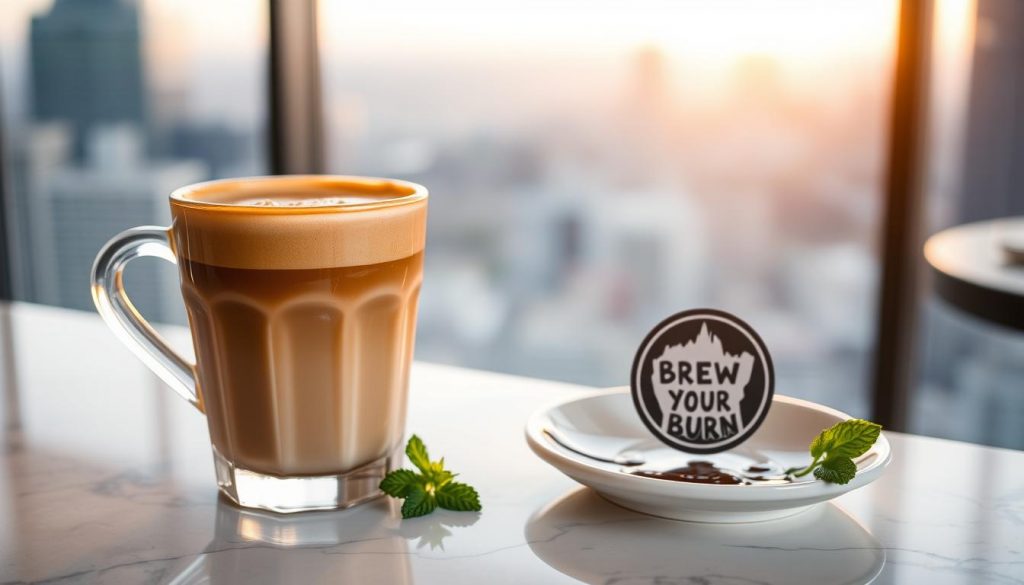
Enjoying a mochaccino can be a small daily pleasure. It combines coffee and cocoa, offering taste and nutrition. Here’s a look at the positives and risks of mochaccino calories and caffeine.
Potential positive effects
Coffee and cocoa have antioxidants like chlorogenic acids and flavanols. These support heart health and may improve brain function when enjoyed in moderation.
Caffeine gives a mild boost of alertness. Theobromine from chocolate adds a gentle lift and can improve mood. This mix explains some of the benefits of mochaccino.
A hot mochaccino can be comforting. The act of brewing and sipping supports social moments and personal routines, boosting wellbeing.
Risks and moderation advice
Many café mochaccinos are high in sugar and fat. Too much added sugar can lead to weight gain and metabolic issues due to extra calories.
Sensitivity to stimulants varies.
High caffeine in mochaccino can cause jitteriness, sleep issues, a fast heart rate, or anxiety. Choose smaller servings or decaf if sensitive, or avoid late-day consumption.
Dairy in traditional recipes can be a problem for those with lactose intolerance or milk allergy. Plant milks like oat, almond, or soy are good alternatives without changing the basic experience.
| Factor | Typical effect | Practical tip |
|---|---|---|
| Antioxidants | May support cardiovascular and cognitive health | Choose dark cocoa and quality espresso for higher flavanol content |
| Mochaccino caffeine content | Boosts alertness; may disturb sleep in sensitive people | Opt for decaf or single-shot servings late in the day |
| Mochaccino calories | Can be high when made with whole milk and syrups | Use low-fat or plant milk and cut added sugar |
| Psychological benefits | Comfort, mood lift, social ritual | Keep servings mindful to retain the positive ritual without excess |
| Allergens | Dairy and some flavorings may trigger reactions | Check ingredients and try lactose-free or nut-free alternatives |
To enjoy mochaccino benefits while managing health, balance taste with lighter ingredients. Keep portions sensible. Small changes reduce unwanted calories and control caffeine without losing the cup’s pleasure.
Conclusion
So, what is mochaccino? It’s a mix of chocolatey goodness, foamy coffee, and steamed milk. It’s like a mocha and cappuccino combined. The basic ingredients are espresso, chocolate, and frothed milk.
For a good mochaccino, use quality cocoa or dark chocolate. Freshly pulled espresso is best. Warm milk frothed to a creamy microfoam is key. If you don’t have an espresso machine, you can still make a great mochaccino.
Customizing your mochaccino is fun. Try decaf coffee, plant milk, or unsweetened cocoa. These changes help control caffeine and calories. Remember, moderation is important, so enjoy in balance.
Now it’s your turn to make a mochaccino that suits your taste. Try different recipes and ratios. Experiment with textures and flavors until you find your perfect cup.