
Your Friendly Guide to Coffee, Heartburn, and Health
Does drinking coffee cause acid reflux?
If you love your morning cup, you’re not alone—coffee is a daily ritual for millions. But for some, that ritual sometimes brings a side effect: a burning feeling in the chest known as acid reflux.
The good news is, while coffee can trigger symptoms for sensitive people, it doesn’t cause acid reflux for everyone.
This article explains why some coffee drinkers get acid reflux, how different brews like espresso, latte, cappuccino, and cold brew affect your body, and what you can do to keep enjoying your favorite drinks.
At BrewYourBurn.com, we know the art of enjoying the best coffee while staying healthy, whether you’re brewing fresh coffee beans, choosing your coffee maker, or considering decaf coffee.
You’ll also learn safe ways to use coffee supplements and get more from each cup.
Key takeaways:
- Coffee may cause acid reflux in some people, but not everyone is affected.
- Different types like espresso, cold brew, and cappuccino may feel different on your stomach.
- There are ways to enjoy coffee and still avoid heartburn.
- Decaf coffee or changing how you brew might help.
- The best coffee experience is about balance and choosing what feels good for you.
- Wellness tips and trusted advice come from BrewYourBurn.com’s coffee experts.
- You can discover more about health and coffee at Is coffee bad for your health?
Does Drinking Coffee Cause Acid Reflux? Quick Answer and Key Takeaways
Many people wonder, “Does drinking coffee cause acid reflux?” The short answer: Coffee can trigger acid reflux or heartburn in some people, but it doesn’t cause symptoms for everyone.
If you notice a burning feeling in your chest after your morning brew, you’re not alone. There are a few reasons why this can happen, and small changes can make a big difference.
Coffee’s acidity and caffeine content often get the blame, but how you drink it and what kind of coffee you choose matter, too.
 Photo by Sóc Năng Động
Quick Answer: Does Drinking Coffee Cause Acid Reflux?
Coffee doesn’t cause acid reflux for everyone. For some, it can relax the muscle between the stomach and esophagus, letting stomach acid creep up and cause that burning sensation.
Both regular and decaf coffee can be triggers, though some people only react to one or the other.
According to experts, it’s mostly about how sensitive your stomach is and whether you drink coffee on an empty stomach.
For more on how coffee can affect acid reflux, check out Can Coffee Cause Heartburn? and this guide from Healthline on coffee, tea, or caffeine and heartburn.
Key Takeaways
If you’re looking for a simple breakdown, here’s what to remember:
- Coffee may cause acid reflux, but not for everyone. Some folks can drink espresso, latte, or even bold brews without a problem.
- Caffeine and acidity are often to blame. Both can relax the lower esophageal muscle, making reflux more likely.
- Brew choice matters: Cold brew and dark roast coffee beans are often gentler on the stomach. Cleveland Clinic agrees that cold brew and dark roasts are less likely to cause issues.
- Milk and creamer can help. Adding milk to your coffee, such as in a latte or cappuccino, can mellow the acids.
- Try decaf coffee if you notice problems. Some people find decaf easier on their stomach.
- Don’t drink on an empty stomach. Pairing coffee with a small snack can help prevent symptoms.
- Experiment with brew methods. Using a different coffee maker or switching to best coffee brands designed for low acid might help.
- Supplements for coffee lovers exist. Products like Java Burn can even support a healthy metabolism if used properly. You can find more about this on how Java Burn fits a healthy coffee routine.
If you’re still searching for the best coffee type for your stomach, or you’re considering switching how you make your coffee, it’s worth exploring the best low-acid coffee options.
Remember, every coffee drinker is different. Whether you love a piping hot espresso, a creamy latte, a smooth cappuccino, or an ice-cold brew, it’s possible to sip smart and feel good.
For more guidance, explore tips and reviews at BrewYourBurn.com—our passion is helping you get the most from every cup.
Why Coffee Can Trigger Acid Reflux: The Science Made Simple
If you love a morning espresso or cappuccino but feel the burn of heartburn afterward, you might wonder: Why does drinking coffee cause acid reflux for some people?
The science comes down to how coffee is made, its acidity, and how caffeine affects your digestive muscles.
Let’s break it down in plain language so you can sip with confidence.
Does Coffee’s Acidity Matter?
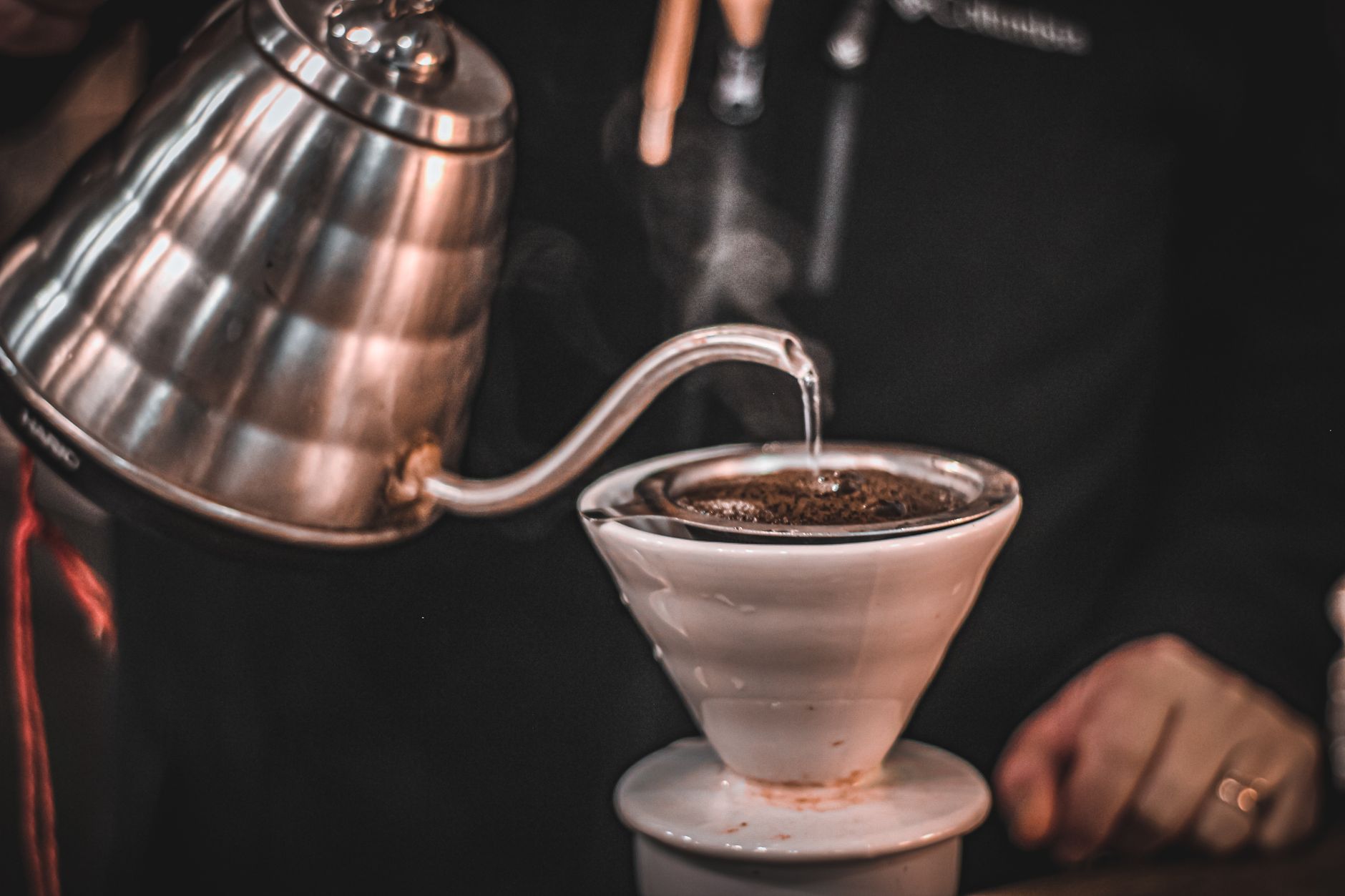 Photo by Doğu Tuncer
Not all coffee is equally acidic. Different brewing methods, coffee beans, and even whether you pick regular or decaf coffee can change the acid level in your cup.
This acidity can sometimes irritate your stomach or esophagus, making reflux more likely for sensitive folks.
Key points about coffee acidity and reflux:
- Beans matter: Arabica beans are usually less acidic than Robusta beans, so choosing the best coffee beans can make a difference.
- Roast level helps: Dark roasts are often less acidic than light roasts. The roasting process lowers acid levels, so if you have heartburn, a dark roast might be easier on your tummy.
- Brew type can change acid: Cold brew coffee is well-known for being lower in acid than espresso or regular drip coffee. Why? Cold water pulls out fewer acids from the beans.
- Espresso vs. cold brew: Espresso shots are quick and make a bold, flavorful coffee, but the process also keeps a good amount of acid. Cold brew takes its time (steeping for 12-24 hours), which tones down both acid and bitterness.
- Latte and cappuccino: Adding steamed milk, as in a latte or cappuccino, can help buffer acidity, so these drinks might feel gentler for some.
- Decaf coffee as an option: Decaf coffee is often recommended for people with reflux, and studies back this up. Decaf usually causes fewer symptoms compared to regular coffee in those with acid reflux or sensitive stomachs. For more, check out this article on low acid decaf coffee options.
When choosing your next cup, test what feels right for you. For lots of people, a smooth cold brew or a latte with the best coffee beans is a friendly way to enjoy coffee without the burn.
If you want to learn even more about how acidity changes with brewing, this guide breaks down the science.
Does Caffeine Cause Acid Reflux?
Caffeine is a big reason some people ask, does drinking coffee cause acid reflux? Caffeine has a special effect on a key muscle called the lower esophageal sphincter (LES).
This muscle is like a trapdoor between your stomach and the tube that carries food down—your esophagus.
If the trapdoor relaxes at the wrong time, stomach acid can splash up where it shouldn’t be, causing that all-too-familiar burning feeling.
Here’s how it happens:
- Caffeine can relax the LES: With the muscle a little more relaxed, it’s easier for acid to sneak upward.
- Not just in coffee: This effect can happen with other caffeinated drinks too, like some teas or colas, but coffee is often the biggest trigger.
- Comparing regular and decaf: Regular coffee usually brings more symptoms for people with reflux, but decaf coffee is much less likely to do so. In fact, some research finds that switching to decaf can mean fewer or milder symptoms for coffee lovers who are prone to heartburn. See this study on decaf and reflux for more detail.
If you’re wondering whether to quit caffeine altogether, you don’t always need to.
Some people can still enjoy the best coffee or use a coffee maker to brew a lower-caffeine or decaf blend and avoid major issues.
For more advice about different brewing styles and wellness, swing by our page on which coffee is best for sensitive stomachs.
Key takeaways at a glance:
- Coffee acidity and caffeine both increase the chance of reflux in people who are sensitive.
- Dark roasts, cold brew, and milky espresso drinks like lattes or cappuccinos are often easier on the stomach.
- Decaf coffee can be a gentle option for many.
- Brewing method, bean type, and add-ins all play a role in how your coffee feels—and how your body reacts.
Next time you’re reaching for your favorite cup, remember: a few small tweaks may be all you need to keep enjoying your coffee ritual without regret.
How to Reduce Acid Reflux and Enjoy Coffee Safely
Worried about that burning feeling after your cup of coffee? The good news is you don’t have to give up your daily brew if acid reflux bugs you.
By picking the right beans, trying different brewing techniques, and being smart about add-ins, you can lower the risk of heartburn and keep enjoying your morning ritual.
Choosing the Right Coffee Beans and Brewing Method
 Photo by Michael Burrows
Let’s start with the basics: does drinking coffee cause acid reflux every time?
Not always. Your choice of coffee beans and how you make your coffee can play a big part in how your stomach reacts.
Bean Tips for Sensitive Stomachs:
- Look for the best coffee beans labeled as “low acid.” These usually come from regions like Brazil, Sumatra, and Nicaragua. Buying shade-grown beans may also cut down on acidity. For more on origins and bean selection, check out this guide on low-acid coffee beans.
- Dark roast coffee beans generally have less acid than light roasts thanks to the long roasting process.
- If you’re shopping for beans, ask your local shop or roaster what’s best for sensitive stomachs.
Best Brewing Methods for Less Acid:
- Cold brew is a superstar for reducing acid reflux. It’s steeped for hours using cold water, which pulls out less acid and often tastes smoother on your stomach. Read more on why cold brew wins for acid reflux.
- Immersion methods like the French press can also help because they use coarse grounds and longer brewing, leading to a less acidic cup.
- Pour-over and drip coffee can be more acidic, but using dark roast beans cuts the acidity.
- The espresso method uses high pressure and short brew times, which can preserve more acids. If espresso gives you heartburn, try smaller servings or make a creamy latte to buffer the acids.
Try These Brewing Tips:
- Use filtered water to get a cleaner taste and less potential irritation.
- Brew coffee a bit weaker (using more water to the same amount of grounds).
- If you’re serious about soothing your stomach, Peak State Coffee’s guide breaks down key factors for low-acid brewing.
Quick Takeaways:
- Choose dark roast, low-acid beans.
- Consider cold brew or French press brewing.
- Adjust your coffee-to-water ratio for a milder cup.
- Try decaf coffee if regular coffee still causes symptoms.
Want more personalized advice on beans and brewing? Browse this BrewYourBurn.com guide to picking the best coffee for a sensitive stomach.
Coffee Add-Ins and Healthy Routines
It’s not just the coffee itself—what you put in your cup and how you drink it can make a big difference.
Add-Ins That Help:
- Milk (dairy or plant-based) can help buffer stomach acid, making lattes and cappuccinos softer on your tummy than black coffee.
- A sprinkle of cinnamon gives flavor without acid or extra sugar.
- Collagen, unsweetened protein, or MCT oil are popular health add-ins for those using products like Java Burn.
Things to Avoid:
- Skip heavy cream or loads of non-dairy creamer, which can make reflux worse for some.
- Go light on sugar. Too much sweetener can trigger symptoms.
- Stay away from flavored syrups with artificial additives.
Smart Strategies for Happier Stomachs:
- Don’t gulp your coffee—sip slowly so your stomach isn’t overwhelmed.
- Try pairing your drink with a light snack (think oatmeal, yogurt, or a banana) instead of drinking coffee on an empty stomach.
- Space out your coffee with plenty of water through the day.
Specialty Drinks and Safe Sipping:
- For espresso lovers: turn your shot into a latte or cappuccino with steamed milk to lower the acid punch.
- With cold brew, add a splash of almond or oat milk for creaminess and less bite.
- For hot drinks in the afternoon or evening, decaf coffee is a safe choice—gentler for your body and less likely to keep you awake.
Get even more tips in this helpful article on tweaking your coffee routine for a sensitive stomach.
Quick Key Points:
- Lattes and cappuccinos = smoother for your stomach.
- Watch out for extra sugar and creamers.
- Eat a little food before drinking coffee or espresso.
- Make coffee a mindful ritual, not a rushed habit.
Curious about optimizing your wellness coffee routine using supplements like Java Burn? Here’s our guide on Java Burn and healthy coffee habits.
Adding these tweaks to your coffee habits can make a real difference.
It’s all about finding that sweet spot where you enjoy the best coffee, latte, or cold brew without having to ask, “Does drinking coffee cause acid reflux every morning?”
With these tips, your next cup will be both tasty and tummy-friendly.
Get this great design and a whole lot more TODAY from our Teepublic store!

Coffee, Supplements, and a Healthy Lifestyle: Building Good Coffee Habits
A good cup of coffee can wake up your mind and lift your mood, but making coffee part of a healthy life means more than brewing the best coffee beans or grabbing an espresso on the go.
Building better coffee habits can help you enjoy every sip without worry, whether you’re sipping a latte, choosing cold brew, or considering coffee supplements to support your goals.
Let’s look at simple ways to fit coffee—and supplements—into your routine so they help you feel great, not weighed down.
Creating Healthy Coffee Rituals
 Photo by Laura James
Building strong coffee habits starts with enjoying your brew in ways that help both your mind and body.
Here are some easy ideas for making coffee work for you, not against you:
- Pick the right time: Drink coffee earlier in the day instead of late afternoon or evening, to avoid sleep trouble and extra acid in your stomach overnight.
- Pair with breakfast: Sip coffee with food, not on an empty stomach, to help prevent acid reflux. This is especially useful for anyone asking, “does drinking coffee cause acid reflux?”
- Mind your caffeine: If you notice jitters or tummy troubles, try decaf coffee or mix regular and decaf together for a softer effect.
- Switch up your brew: Cold brew, lattes, and cappuccinos made with milk or non-dairy alternatives are all easier on your stomach than straight black espresso.
- Stay hydrated: Coffee is tasty, but water helps too. Drink water during the day to stay balanced.
If you want more smart ways to tweak your daily coffee routine, see these helpful time-saving coffee tips.
Choosing Coffee and Supplements Wisely
Coffee supplements, like Java Burn, are getting more popular with people who want a metabolism boost or extra wellness benefits with their morning cup.
Here’s how to use supplements safely:
- Read instructions: Each supplement is different. Mix only the right amount in your coffee as the label says.
- Use with quality coffee: The best coffee results come from fresh beans, clean brewing gear, and filtered water. Don’t let supplements replace good coffee, but let them add to it.
- Balance with meals: Adding supplements to a latte or cappuccino along with a healthy breakfast helps your body get more from both.
- Start simple: Try supplements one at a time, and keep an eye on how your body feels.
- Check for caffeine: Some coffee supplements add extra caffeine. If you’re sensitive, check the label and start slow.
You can avoid common mix-ups and get more details in this guide on top mistakes people make with coffee supplements.

Making Your Coffee Healthier Every Day
Healthy coffee doesn’t have to mean boring or complicated.
In fact, a few easy changes can turn your daily cup into a treat that supports your lifestyle.
- Go easy on sugar: Too much sugar or flavored syrup can add up fast. Try spices like cinnamon or nutmeg for extra taste without extra calories. For more ways to make your coffee healthier, check out these simple ways to make your coffee healthier.
- Pick quality ingredients: Freshly ground coffee beans taste best and give you more control over what goes in your cup.
- Try plant-based milks: Oat, almond, or soy milk can be gentle on the stomach and cut acids.
- Limit caffeine: Stick to a few cups a day, switching to decaf coffee in the afternoon if needed.
- Brew smarter: Make coffee that fits your lifestyle—French press, espresso, drip, or an easy cold brew.
If you’re rushing in the morning or don’t own a fancy coffee maker, here’s an easy way to make coffee without a coffee maker.
Key Takeaways for Happy, Healthy Coffee Habits
Let’s break down the main tips to help you enjoy your favorite drinks, whether you love the bold notes of espresso or the creamy smoothness of a cappuccino:
- Coffee can be part of a healthy lifestyle, especially when you make thoughtful choices.
- Enjoy coffee with food to ease your stomach and reduce the risk of acid reflux.
- Supplements like Java Burn can support your goals but work best when you read labels and keep balance in mind.
- Rotate different drinks such as cold brew, latte, or decaf coffee to match your needs and the time of day.
- Keeping hydrated and moderating your intake helps you get all the benefits of coffee without the drawbacks.
Want even more healthy ideas?
Here are 8 ways to make your coffee super healthy that work for everyone from busy parents to students and athletes.
Whether you’re perfecting your home coffee bar, adding a supplement, or aiming for an extra-healthy cup, these habits can make your daily ritual a real highlight.
And that’s something worth raising your mug to.
Get this great design and a whole lot more TODAY from our Teepublic store!

Conclusion
Coffee can be part of a healthy life when you listen to your body and make small tweaks to how you drink it.
Not everyone will get acid reflux from coffee, but if you do, there are ways to keep enjoying your favorite drinks like espresso, latte, cappuccino, and cold brew.
Decaf coffee or dark roast coffee beans may offer a gentler option. Using the right coffee maker and being smart about add-ins and supplements such as Java Burn can help you get the best coffee experience while putting your wellness first.
A healthy coffee routine is about balance. Pair your cup with food, stay hydrated, and don’t be afraid to try new methods or products that support your goals.
Each choice—from the beans you brew to the supplements you mix in—lets you get more joy and less worry from your ritual.
Thank you for reading and sharing your time. Try out the tips that feel right for you, and share your experiences or questions to keep the conversation going.
For more ideas on how coffee can support your health, see our guide on the effects of coffee on weight loss.
How does coffee, including supplements like Java Burn, fit into a healthy life?
Coffee becomes a wellness tool when you pay attention to your own reactions.
You can enjoy great taste, energy, and even metabolism support by matching your choices to your needs.
Products like Java Burn are an easy addition when used carefully, making it simple to turn a daily cup into a boost for both mood and metabolism.
Key Takeaways
- Coffee can cause acid reflux in some people, but many can enjoy it by choosing gentle options.
- Brew methods, bean types, and add-ins all help manage symptoms.
- Supplements like Java Burn can add wellness benefits but use them mindfully.
- Balance coffee with food, water, and moderate caffeine intake for the best results.
- Everyone’s body is unique, so adjust your routine to what makes you feel good.
7 Quick FAQs
1. Does drinking coffee cause acid reflux for everyone?
No, only some people experience acid reflux from coffee. Sensitivity depends on your body and coffee choices.
2. Which coffee types are easiest on sensitive stomachs?
Dark roasts, cold brew, and drinks with milk like lattes or cappuccinos are often easier on the stomach.
3. Is decaf coffee better for acid reflux?
For most, yes. Decaf coffee has less chance of causing symptoms compared to regular coffee, though some might still notice mild irritation.
4. What’s the best coffee maker for low-acid coffee?
Cold brew makers and French presses help create gentler coffee. Brew with dark roast beans for even less acid.
5. Should I add milk or plant-based options to my coffee?
Yes, adding milk or alternatives can buffer the acids and smooth out the taste, which may help reduce reflux.
6. Are supplements like Java Burn safe with coffee?
If used as directed, Java Burn and similar products can be part of a healthy routine. Start slow, follow label instructions, and choose quality coffee.
7. How can I make my coffee ritual healthier?
Pair coffee with food, limit sugar, try gentler brews, stay hydrated, and rotate with decaf or cold brew for best results.
Your coffee habit should help you wake up and feel good, not cause discomfort.
There are easy solutions for those who struggle with acid reflux, from changing your beans to using smart supplements.
A little care with each step keeps your favorite drinks part of a happy, healthy routine.