Simple Steps for the Best Coffee, Espresso, Latte, and More
Ever wished you could brew like a barista and enjoy the best coffee, espresso, or even a creamy latte without stepping outside?
Whether you love the bold punch of espresso, the soft and smooth taste of a cappuccino, or the refreshing chill of a cold brew, making café-style drinks at home is easier than you might think.
In this guide, you’ll find straightforward steps to make coffee at home using fresh coffee beans and the right coffee maker tailored to your taste and lifestyle.
As a home barista, you’ll discover how simple it is to craft your favorite drinks, including lattes and cold brew, by selecting the best brew method and brewing gear.
You’ll also get tips for making decaf coffee and safely incorporating supplements like Java Burn to boost wellness.
Good coffee can be healthy too, especially when you know how to get the most from your beans.
Ready to elevate your skills? Check out these best methods for brewing coffee at home to start creating your perfect cup.
Key Takeaways:
- Learn simple ways to brew like a barista at home.
- Understand the basics of making espresso, latte, cappuccino, and cold brew.
- Get clear advice on selecting coffee beans and using a coffee maker.
- Find tips for safe coffee drinking, including decaf coffee options.
- Explore how a supplement like Java Burn can work with your coffee for better wellness.
- Enjoy friendly, easy-to-understand instructions designed for all ages.
Ready to pour your best cup yet? Let’s get started, step by step.
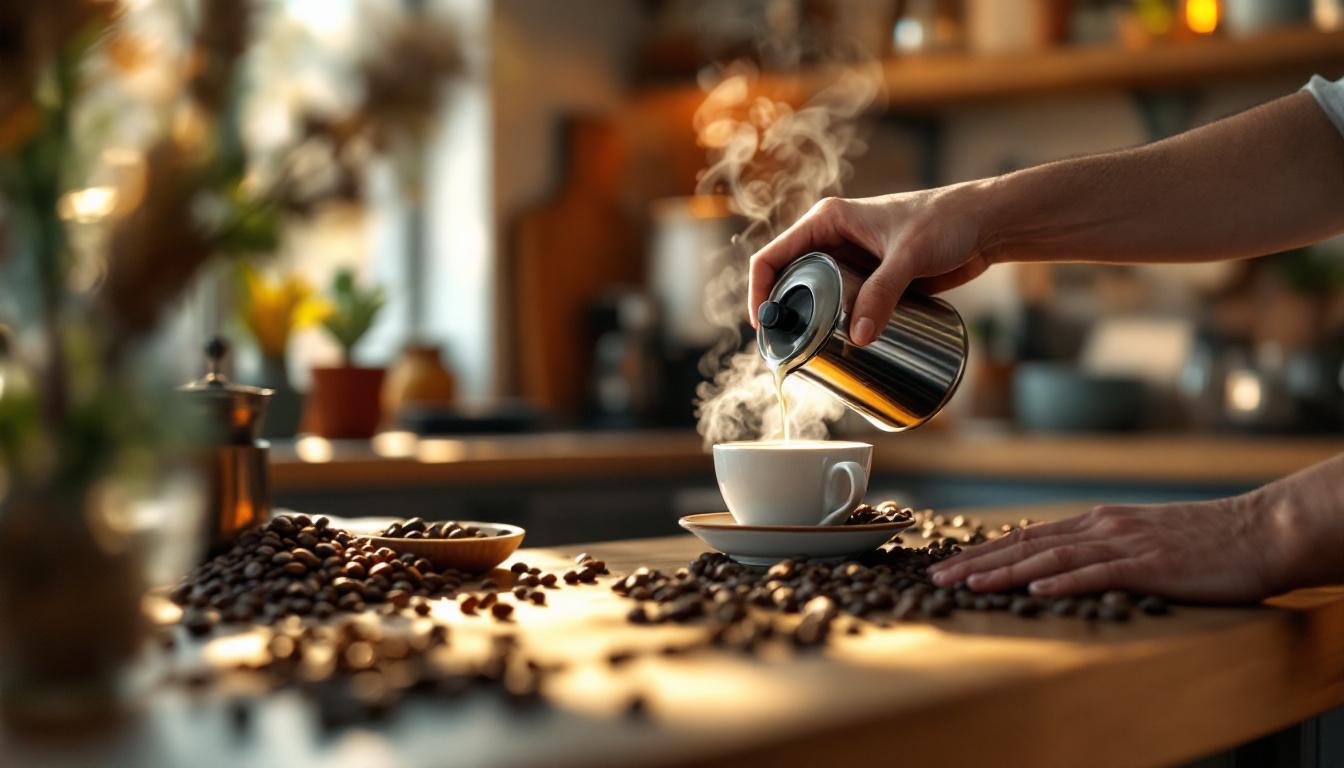
Understanding Barista Basics
Ready to brew like a barista?
Mastering the basics is the best way to elevate your daily cup.
Becoming a true barista starts with selecting the right coffee beans, choosing the perfect coffee maker for your lifestyle, and getting comfortable with espresso fundamentals.
These essentials unlock the secret to crafting amazing lattes, cappuccinos, and cold brew right in the comfort of your kitchen.
Essential Coffee Beans and Their Profiles
Choosing the right coffee beans is like picking the star ingredient for your favorite meal. The origin of the bean reveals its unique flavor—Ethiopian beans may offer bright and fruity notes, while Colombian beans typically feature a soft, nutty character.
| Drink | Best Bean Origin | Roast Level | Why It Works |
|---|---|---|---|
| Espresso | Colombia, Brazil | Medium/Dark | Bold, balanced, rich |
| Latte | Sumatra, Colombia | Dark | Deep flavor stands out |
| Cappuccino | Ethiopia, Blends | Medium | Lively flavors pop |
| Cold Brew | Brazil, Peru | Medium/Dark | Smooth with less acidity |
Roast level plays a crucial role, too.
Light roast beans bring lively acidity and brightness, medium roast strikes a balanced flavor profile, and dark roast delivers bold, smoky undertones.
Using freshly roasted beans ensures the richest flavors since coffee loses its aroma quickly after grinding. Grinding right before you brew using a quality coffee grinder or even a manual grinder unlocks the full potential of the beans.
For espresso, a medium roast to dark roast works best for depth and body. Rich, dark roasts are ideal in a latte as the milk complements their boldness.
Cold brew shines with coarsely ground medium roast or dark beans to create a smooth, mellow cup. If you prefer decaf coffee, top-notch decaf beans allow you to enjoy every style with less caffeine.
Curious about grinding beans on your own? Check out manual coffee bean grinding methods for tips if you don’t have a coffee grinder at home.
Available on our Teepublic Coffee Store

Choosing the Right Coffee Maker
With so many brew methods available, selecting the right coffee maker can feel overwhelming.
Each style highlights different flavor nuances and strengths, and no single machine suits every coffee type.
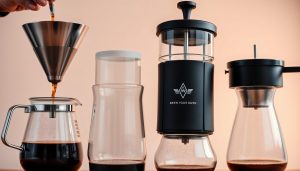
- Drip Machines: Simple and dependable, perfect for mornings when you want a hot coffee at the push of a button. They work best with medium roast coffee beans.
- French Press: Classic and straightforward. This brew method produces a full-bodied cup with more oils and texture, great for enjoying breakfast blends.
- Pour-Over Coffee: Offers control and clarity. Pour-over methods highlight intricate flavors and bright notes, ideal for single origin beans.
- Espresso Machine: Uses high pressure to create rich, concentrated coffee—the foundation for all lattes and cappuccinos.
Not sure if you need an espresso machine? Learn how to make espresso at home without a machine.
Here’s a quick cheat sheet to help
| Drink Style | Best Coffee Maker | Why Pick This? |
|---|---|---|
| Espresso | Espresso machine | For rich shots, creamy lattes, and cappuccinos |
| Latte | Espresso machine | Necessary for strong espresso flavor and steamed milk |
| Cappuccino | Espresso machine | The only true way to craft real foam and espresso |
| Cold Brew | French Press / Pitcher | Makes smooth, cold coffee easily |
| Regular Coffee | Drip / Pour-over | Consistent and convenient for everyday brewing |
Mastering Espresso Fundamentals
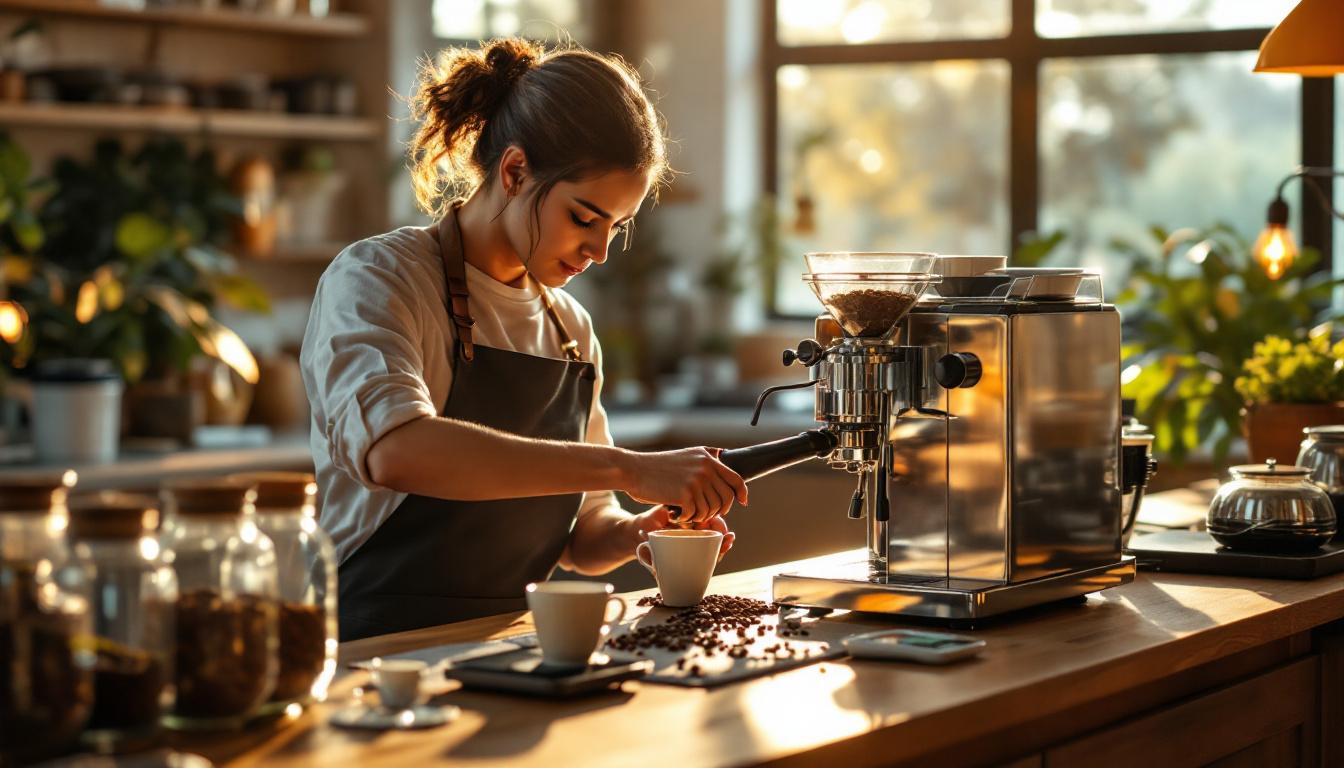
Perfecting espresso is where you truly start to brew like a barista.
Espresso demands the right pressure, grind size, precise coffee dose, and careful puck prep—every step is essential, like building a perfect sandcastle.
- Pressure: Espresso is created by pushing hot water through finely ground coffee at around 9 bars of pressure.
- Grind Size: Use a fine grind, roughly the texture of table salt. Too coarse results in a weak extraction; too fine causes bitterness or slow brewing.
- Dose: Use 18-20 grams of ground coffee measured with a coffee scale for a standard double shot.
- Puck Prep: Evenly tamp the coffee to ensure uniform water flow but avoid compressing it too flat. Proper puck prep influences extraction quality.
To pull a consistent shot:
- Weigh and grind freshly roasted beans using a reliable coffee grinder.
- Measure coffee into the portafilter using a coffee scale.
- Tamp evenly with careful puck prep.
- Lock in and brew with hot water, aiming for an extraction time of 25-30 seconds.
Mastering these espresso fundamentals opens the door to creating lattes, cappuccinos, and other café favorites.
Ready to mix it up? Try brown sugar shaken espresso recipes for a fun variation.
Key Takeaways:
- The origin, roast, and freshness of coffee beans greatly influence your cup’s character.
- The best coffee maker depends on your favorite drink and preferred brew method.
- Knowing espresso basics unlocks how to make popular café drinks like lattes and cappuccinos.
- Grinding beans just before brewing with a coffee grinder or manual grinder yields fresher, richer coffee.
- With simple tools and practice, anyone can brew like a barista right at home.
Popular Barista‑Style Drinks at Home
If you want to brew like a barista, the excitement begins with crafting your favorite café drinks right in your kitchen.
It’s not only about having the best espresso machine or fresh coffee beans—it’s also about mastering a few simple techniques that elevate your daily cup.
Whether you’re creating silky lattes, frothy cappuccinos, or a refreshing shaken espresso, there’s a drink style perfect for every season and mood.
Here’s how to enjoy top-quality coffee drinks without the wait.
Perfecting the Latte and Cappuccino:
Milk Steaming, Foam Texture, and Pouring Techniques
 Photo by Bagio visuals
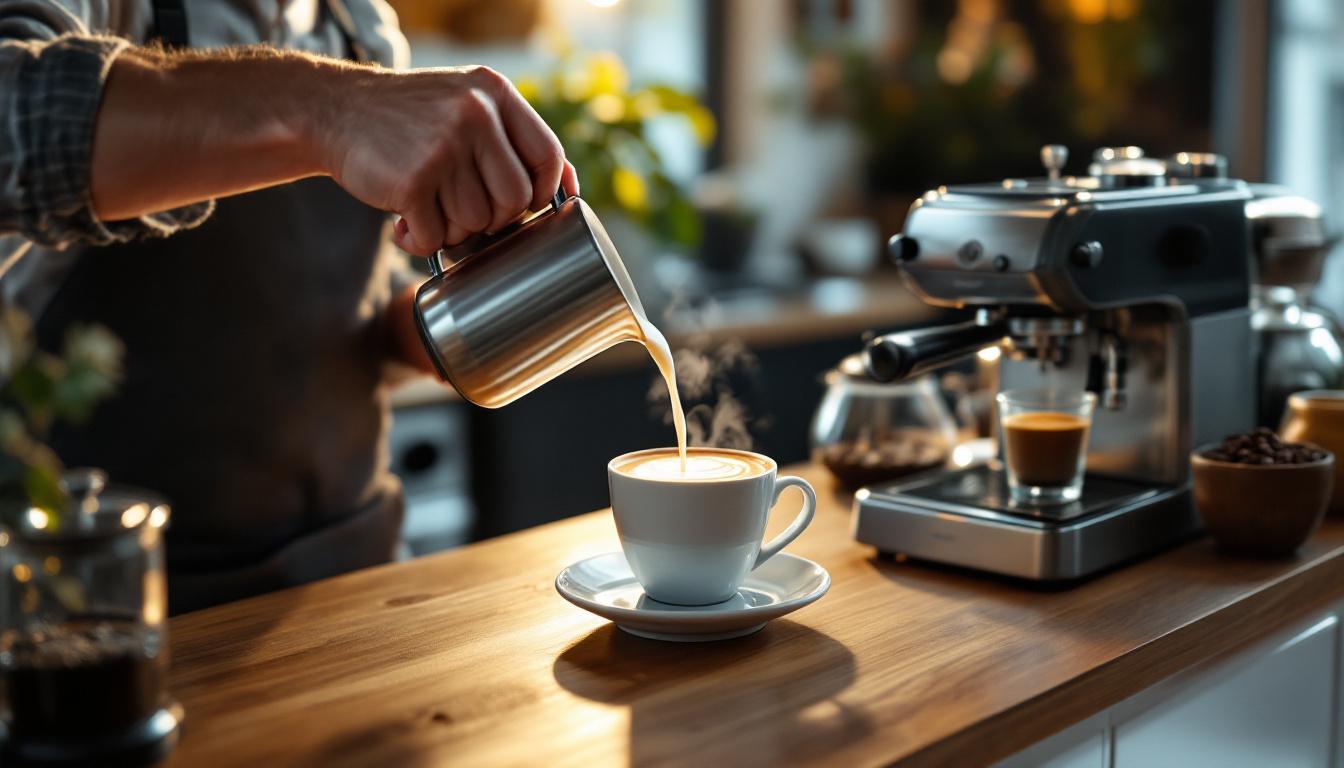
Getting lattes and cappuccinos perfect often comes down to the milk.
Great coffee always starts with a freshly pulled shot, but milk steaming plays a crucial role in making these drinks creamy or bubbly.
- Milk Steaming: Begin with cold milk and use a steam wand on your espresso machine if possible. Keep the wand tip just below the surface to incorporate air gently. A soft hissing sound means you’re achieving silky microfoam instead of large bubbles.
- Foam Texture: For a latte, aim for a very fine foam that feels as smooth as paint. For cappuccino, you want a thicker froth—similar to whipped cream but never stiff or dry.
- Pouring: To pour a classic latte, gently add steamed milk to espresso, letting the foam flow in last. When you’re ready to try latte art, start with simple patterns like a heart or dot. For cappuccinos, spoon the thick foam on top for the perfect finish.
If you want to understand the subtle differences and secrets between each style just like a professional barista, check out this what is a cappuccino post.
You might be surprised by how easy it is to make coffee drinks that rival your favorite café’s.
Quick Latte vs. Cappuccino
Espresso Steamed Milk Foam Main Texture Latte 1 par t3–5 parts Thin layer
Creamy Cappuccino 1 part 1 part Thick layer Foamy
For a detailed cappuccino recipe without an espresso machine, explore this handy 3-step homemade cappuccino guide.
Tools like the Nano Foamer can also help you achieve perfect froth at home.
Crafting a Brown Sugar Shaken Espresso: Step-by-Step Recipe
Craving a fresh take on espresso? The brown sugar shaken espresso combines sweet, bitter, and ice-cold refreshment—a perfect way to enjoy a bold shot on a hot day.
How to Make Brown Sugar Shaken Espresso at Home:
- Brew Your Espresso: Use your favorite coffee beans and pull a double shot. Portable espresso makers like the Wacaco Picopresso make this easy anywhere.
- Add Brown Sugar: Place 1–2 teaspoons brown sugar in a jar or shaker.
- Combine and Shake: Pour hot espresso over the sugar to help dissolve it. Add a pinch of cinnamon, if desired.
- Ice and Shake: Fill with ice, seal the container tightly, and shake vigorously for 20–30 seconds. This chills the drink quickly, creates a frothy top, and blends the flavors evenly.
- Pour and Enjoy: Pour everything—including ice and foam—into a glass. Add a splash of milk or oat milk for a creamy finish.
Shaking the espresso with sugar and ice is key to achieving its smooth, cool texture and luscious foam. The brown sugar balances the espresso’s boldness, giving you a delightful blend of sweet and bitter notes.
Get the full details and a printable recipe at this brown sugar shaken espresso recipe.
Tip: If you want to cut caffeine without losing flavor, try using decaf coffee beans in your shot.
Making Cold Brew for Smooth Refreshment
For warm days or a gentle, slow pick-me-up, cold brew stands out with its mellow flavor and softer acidity. It’s simple to prepare at home with just a few essentials.
- Ratio: Use 1 cup of coarsely ground coffee (using your preferred grinder, like a portable hand grinder) to 4 cups of cold water. A coarse grind is crucial to avoid bitterness or muddiness.
- Steep Time: Combine coffee and water in a large jar or pitcher and refrigerate for 12 to 18 hours. Steeping longer, up to 24 hours, results in a stronger brew.
- Filtering: Strain through a coffee filter, mesh strainer, or cheesecloth. Rinsing the filter helps extract every last drop.
Enjoy cold brew straight over ice or dilute with milk or water for a lighter option.
For a full beginner’s guide, including recommended gear, see our best way to make cold brew coffee at home.
Key Takeaways:
- To brew like a barista at home, focus on milk steaming for lattes and cappuccinos, use fresh coffee beans, and refine your pouring and shaking methods.
- Brown sugar shaken espresso adds café excitement to your kitchen and pairs well with decaf coffee.
- Cold brew offers a smooth, all-day drink with gentle acidity, easy to prepare with basic tools.
- Quality beans and simple equipment—like the STONE Coffee Machine for espresso or the Wacaco Picopresso on the go—can bring professional results to your home.
There’s always something new to try, from experimenting with beans to enhancing your brew with wellness additions.
With practice, you’ll soon impress yourself and guests with every cup.
Health Benefits and Safe Use of Coffee Supplements
Coffee is more than just a flavorful drink you enjoy to start your day. When you brew like a barista, you unlock more benefits from your morning cup beyond aroma and flavor.
Drinking coffee the right way can elevate your mood, enhance alertness, and potentially support your overall well-being.
With many people incorporating coffee supplements into their routines, it’s essential to understand how coffee benefits your body, what Java Burn offers, and why decaf coffee sometimes makes the best choice.
How Coffee Supports Energy and Metabolism
Drinking coffee delivers more than just a caffeine kick. Here’s how:
- Caffeine is the natural energizer found in coffee. It works by blocking a chemical in your brain that causes drowsiness, helping you feel awake and focused. This is why many people rely on their first cup to start the day.
- Antioxidants act like protectors for your cells, defending against damage from free radicals that can lead to fatigue or poor health over time. High-quality coffee beans are rich in these beneficial compounds.
- Metabolic Rate refers to how quickly your body burns calories. Research shows that caffeine can boost your metabolism slightly, especially after drinking coffee.
Experts agree that enjoying a regular cup of coffee—as part of a healthy lifestyle—can protect your cells and enhance energy use, all while giving you a natural lift.
For the best health benefits and a full-bodied brew, consider using a French press for a rich, antioxidant-packed coffee.

Introducing Java Burn and Proper Usage
Looking to boost your energy or support weight management alongside your coffee ritual? Java Burn is a powdered coffee supplement designed to mix seamlessly with your morning cup.
Just stir a packet into fresh coffee—whether it’s a classic drip or a frothy latte—for a convenient metabolic boost.
What does Java Burn do?
It combines gentle, plant-based ingredients that may help increase your metabolism, encouraging your body to burn energy and fat more efficiently.
Java Burn is sugar-free and blends into hot coffee without altering flavors, so your favorite coffee stays just how you like it.
Recommended Use:
- One packet per day, mixed with a standard cup of coffee
- Best consumed in the morning to avoid interfering with sleep
- Take with or after breakfast to protect your stomach
Always follow the package guidelines. If you have any concerns, consult your healthcare provider before adding new coffee supplements.
Discover more details, scientific insights, and customer experiences on the Java Burn product page or read verified feedback in these Java Burn user reviews and results.
Decaf Options and When to Choose Them
Sometimes, you want to enjoy all the comforting qualities of your favorite coffee without the caffeine buzz.
That’s where decaf coffee shines. Decaf coffee means most of the caffeine is removed, allowing you to savor coffee-rich aromas and flavors without the stimulant effects.
Benefits of Decaf Coffee:
- Won’t disrupt your sleep if you drink it later in the day
- Gentler on sensitive stomachs or for those who experience caffeine jitters
- Retains many antioxidants found in regular coffee beans
- Provides a great alternative for multiple daily cups without excess caffeine
When to Choose Decaf Coffee:
- In the evening, when you crave a latte or cappuccino but need restful sleep
- If you are sensitive to caffeine or advised by a doctor to limit intake
- For teens and children who enjoy coffee but not the caffeine effect
- When you want to drink more than one or two cups a day without overstimulation
Decaf coffee beans can be brewed into any style—from a classic drip to a creamy latte—offering you barista-quality coffee with less caffeine whenever you want.
Learn more about decaf coffee and how to brew it so it’s as satisfying as regular with the Decaf Coffee Guide.
Key Takeaways:
- Coffee supports energy and metabolism through caffeine and antioxidants
- Java Burn complements coffee to help boost metabolism and weight management, but always use as directed
- Decaf coffee is an excellent choice for reducing caffeine while still enjoying coffee’s rich qualities
- Brewing coffee at home allows you to tailor your coffee and supplement intake for healthier habits
Enjoy coffee and safe supplements like Java Burn as part of a balanced lifestyle, savoring every cup in a healthy way.
Available on our Coffee Store at Teepublic

Key Takeaways and Frequently Asked Questions
This section highlights the essential points on your journey to brew like a barista, along with clear answers to common questions about coffee, espresso, latte, cappuccino, decaf coffee, top beans, safe drinking, and using supplements like Java Burn.
Whether you need a quick refresher or have lingering questions, you’ll find straightforward, easy-to-follow responses right here.
Quick Recap of Main Points
Brewing the best coffee at home isn’t just for pros or specialty cafés. It’s about mastering a few key habits and choices to truly brew like a barista. Here’s what stands out for any home barista:
- Choose fresh beans: Freshness impacts flavor deeply, whether you’re making espresso or trying pour over coffee.
- Master grind size and espresso: Proper grind size, tamping, and water temperature unlock flavorful shots. Using a quality grinder contributes greatly to consistency. For more tips, see this espresso drinking guide.
- Practice milk texture: Smooth, creamy milk is crucial for the ideal latte or cappuccino. Use a steam wand or simple frothing hacks to perfect your milk.
- Consider health benefits: Coffee offers antioxidants and a mental boost. Decaf coffee provides these benefits without caffeine effects.
- Use a coffee scale: Measuring your coffee grounds precisely helps maintain consistency across brew methods.
- Try supplements like Java Burn responsibly: Stir it into your usual brew to potentially support metabolism. Visit the Java Burn product page for details.
Small changes—like experimenting with a new bean, refining your grind with a coffee grinder, or practicing one technique—help transform your daily cup and elevate your skills as a home barista.
7 Frequently Asked Questions
Everyone has coffee questions, whether you’re just starting with brewing or refining your skills.
Here are straightforward answers to some of the most common:
- What coffee beans are best for espresso?
Medium or dark roast beans with origins such as Colombia or Brazil typically work best. Look for beans labeled for espresso to ensure a rich, balanced shot without bitterness. - Can I make espresso without a machine?
Yes. Though true espresso requires high pressure, you can approximate it using a moka pot, Aeropress, or French press. While the flavor differs, these brew methods deliver a strong, bold cup. - How long does cold brew need to steep?
Cold brew should steep for 12 to 18 hours in the fridge using coarsely ground coffee grounds. Grinding your beans with a coffee grinder to a coarse consistency is key for smooth, less acidic results. Use cold water and the right grind size for the best outcome. For more, check these best ways to brew coffee at home. - What’s the difference between latte and cappuccino?
A latte blends espresso with plenty of steamed milk and a light layer of foam. Cappuccinos balance equal parts espresso, steamed milk, and thick foam, resulting in a stronger coffee flavor and frothier texture. - Is decaf coffee safe for kids?
Decaf coffee contains minimal caffeine, making it a safer choice for teens and older kids. It still offers the comforting coffee taste without the stimulating effects. It’s also recommended for pregnant people and those sensitive to caffeine. - How does Java Burn work with coffee?
Java Burn is a powder you mix into your morning brew. It’s designed for use with hot coffee to provide a natural metabolism boost with plant-based ingredients. Always follow serving instructions and consult your doctor if you have health concerns. Learn more in the Java Burn guide. - How much coffee is safe to drink each day?
Most adults can safely enjoy 3–4 cups of regular coffee daily, equating to about 300–400 mg of caffeine. Teens and caffeine-sensitive individuals should consume less. This caffeine in coffee explained guide details caffeine levels by brew method and drink type.
Taking a little time to understand these basics elevates your home coffee routine, making it more enjoyable, safe, and flavorful.
Whether brewing a bold espresso, a creamy latte, or experimenting with pour over coffee, small adjustments produce big improvements.
Adding extras—like supplements or new beans—keeps your coffee ritual exciting without complicating it.
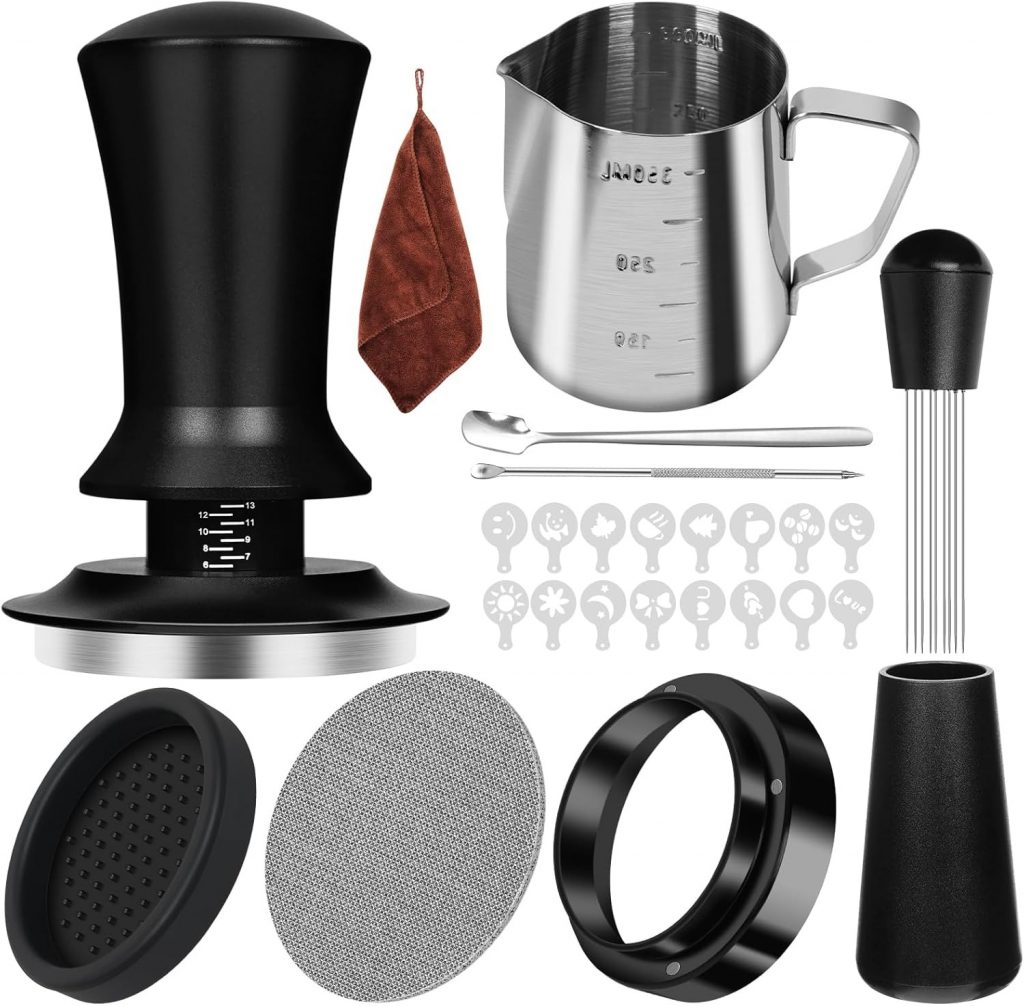
A great collection of tools for any budding home Barista!
Conclusion
Coffee fits into a healthy lifestyle when you brew like a barista—select quality coffee beans, understand how to use your coffee maker effectively, and be mindful with extras like Java Burn.
When you make coffee at home with care, you not only experience richer flavors but also support your energy, mood, and overall wellness.
Drinks like espresso, latte, and cappuccino become even more enjoyable when crafted using the right methods and fresh beans.
If you consider supplements, start slowly, follow the guidelines, and prioritize quality and moderation.
Experimenting with different barista techniques brings joy to every cup and helps you notice genuine health benefits over time.
Use what you’ve learned to elevate your coffee routine and enjoy a new way to savor coffee at home.
Key Takeaways:
- Brewing coffee at home can be just as satisfying as your favorite café.
- Quality coffee beans and the right coffee maker are essential for great results.
- Coffee—whether regular or decaf—provides health benefits like antioxidants and a gentle energy boost.
- Responsible use of supplements like Java Burn can complement your daily coffee habit.
- With practice and curiosity, your simple coffee can become a daily lift for mood and wellness.
Thanks for joining and embracing how to brew like a barista. Try these tips and discover how great you can feel, cup after cup.
For more home brewing ideas, see these morning coffee tips or learn about brewing French press coffee. What will you try next in your coffee routine?