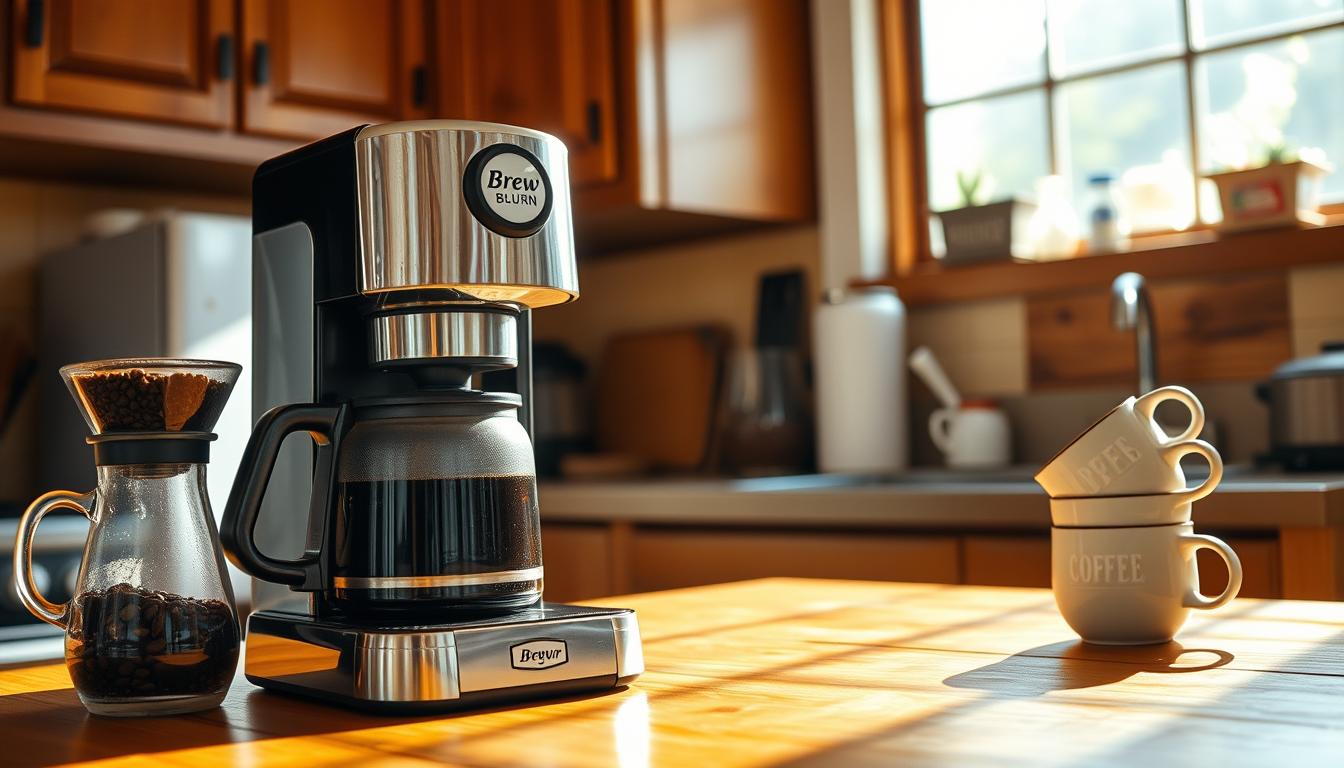
66% of American adults drink coffee every day. They usually have about three cups. This explains why drip coffee is so popular in kitchens across the country.
Ever wondered why Americans love drip coffee? It’s simple. Drip coffee is familiar, quick, and always tastes the same.
The National Coffee Data Trends show 62% of adults have a drip coffee maker at home. Single-cup brewers and bean-to-cup machines are also gaining fans.
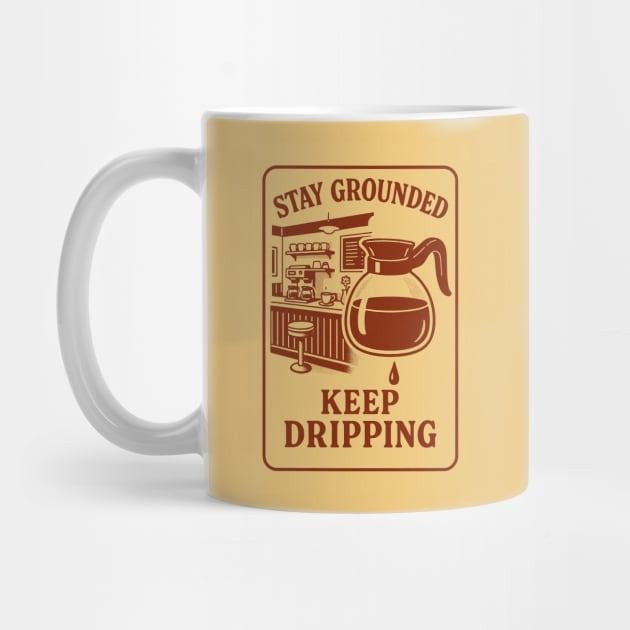
Get this great Mug and other designs at our Teepublic Coffee Shop
This article will explore the history of drip coffee and its place in American culture. You’ll learn how to make the perfect cup at home. We’ll compare drip coffee with other brewing methods and recommend machines and brands.
Plus, we’ll discuss sustainability and market trends.
I’ll share both the cultural and practical sides of drip coffee. You’ll understand its importance in daily life and how to make a better cup at home.
Key Takeaways
- Two-thirds of American adults drink coffee daily; the average is about three cups per day.
- Drip coffee makers are the most common household coffee appliance in the U.S.
- Drip’s appeal comes from convenience, consistency, and cultural familiarity.
- This guide covers history, brewing technique, machine options, and trends.
- You’ll get practical steps to improve your at-home drip coffee quickly.
Why do Americans love drip coffee?
It all starts with a simple pot. Drip coffee is at the heart of many morning routines. It fuels workplaces and families, and shapes coffee trends in America.
Daily habits and consumption statistics
Two-thirds of American adults drink coffee every day. They have about three cups a day on average. This explains why drip coffee is so popular in America.
Most people brew their coffee at home. In 2025, 71% of coffee drinkers did this, up from 63% in 2020. Grocery stores are still the top place to buy coffee, but online purchases have doubled to 14% between 2020 and 2025.
Drip machines are common in homes. About 62% of adults own one, up from 58% five years ago. This helps explain why many prefer batch brewing over single-serve methods.
Cultural familiarity and convenience
Drip coffee fits right into American routines. It has features like programmable timers and easy cleanup. This makes mornings and commutes easier.
The Americano story shows how Americans like their coffee. U.S. soldiers in World War II made espresso stronger to match their drip coffee taste.
This preference is still seen today in black coffee choices in the US.
Practical features keep drip brewing popular. Families, offices, and coffee lovers value its volume and consistency. These comforts make drip a staple in American coffee trends.
Historical significance of drip coffee in the United States
The idea of drip coffee is simple. It uses a filter to separate coffee grounds from the liquid. In the early 20th century, inventors made manual filters better. Later, electric machines made brewing easy and consistent.
This change made coffee accessible to everyone. It became a staple in American homes. Families could make coffee for work, school, or guests easily.
Electric drip machines became common in the 1950s and 1960s. Brands like Mr. Coffee and Sunbeam made them affordable. This made drip coffee a part of daily life.
Origins of drip-brewing and household adoption
Filter-based brewing started with cloth and metal filters. It evolved to paper filters and cone drippers. Innovations from Germany and Scandinavia influenced early designs.
Electric drip coffeemakers came in the 1950s and 1960s. They controlled temperature and flow, making perfect cups for everyone.
After World War II, kitchens got more gadgets. Drip machines fit this trend well. They were cheap, easy to use, and served families and offices.
Connection to American coffee culture
Drip coffee became the standard for many. People prefer medium roasts and large cups. This style is all about ease, not like espresso’s strong taste.
Even with the rise of specialty coffee, drip coffee remains important. It’s still a favorite in many homes. The Americano story shows how American tastes influenced coffee globally.
| Aspect | Drip Coffee Role | Impact on Homes |
|---|---|---|
| Technology | Electric drip machines delivered consistent temperature and flow | Made reliable brewing accessible to non-experts |
| Affordability | Mass-market brands offered low-cost units | Enabled multi-cup brewing for families and workplaces |
| Cultural Identity | Set the baseline for everyday American coffee taste | Shaped routines, cup size expectations, and office rituals |
| Market Trends | Coexists with specialty and espresso growth | Remains dominant in daily consumption and household ownership |
Drip coffee benefits
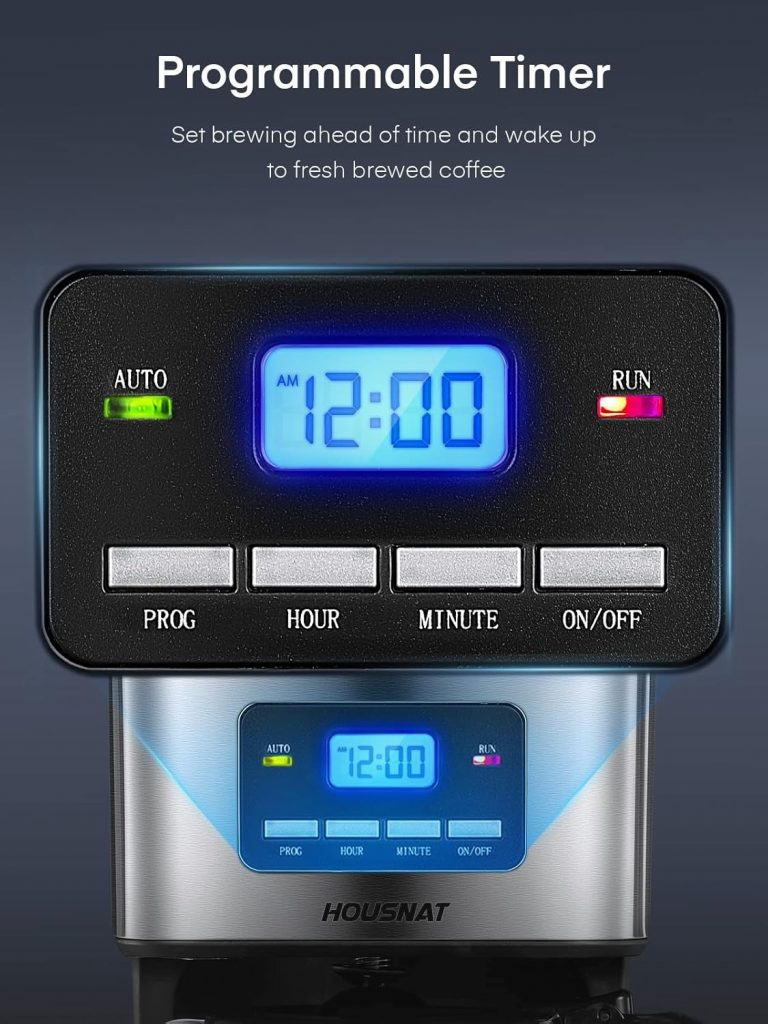
Drip brewing is perfect for busy mornings. Machines with a water reservoir, heating element, and filter basket make great coffee with little effort. You can set a timer, choose a strength, and wake up to a fresh pot.
Using medium-roast Arabica beans offers balanced flavors without the boldness of espresso. Many enjoy a full-bodied cup that’s easy to drink black or with cream. This makes drip coffee a great choice for daily routines.
Paper filters catch more oils than methods like French press. This reduces certain compounds linked to cholesterol for health-conscious drinkers.
Drip coffee provides a cleaner cup that fits common American tastes, often enjoyed with milk or sugar.
Drip brewing works well for both hot and iced coffee. Adjusting the grind and brew strength makes strong coffee for iced drinks. This flexibility lets you enjoy both hot and cold coffee with ease.
Programmable features make brewing easier. They ensure consistent extraction and taste. For home kitchens, this means fewer wasted beans and consistent mornings.
| Feature | What it means | How it helps you |
|---|---|---|
| Reservoir + heater | Automatic water delivery and stable temperature | Consistent extraction without manual pouring |
| Paper filter | Removes oils and fine particles | Cleaner cup; aligns with health preferences |
| Programmable settings | Auto-start, strength control, brew size | Reliable flavor and time-saving convenience |
| Carafe capacity | Brews multiple cups in one cycle | Ideal for families, offices, and entertaining |
| Grind and ratio flexibility | Adjustable strength for hot or iced coffee | Versatile brewing to match your taste |
Drip coffee vs. other brewing methods
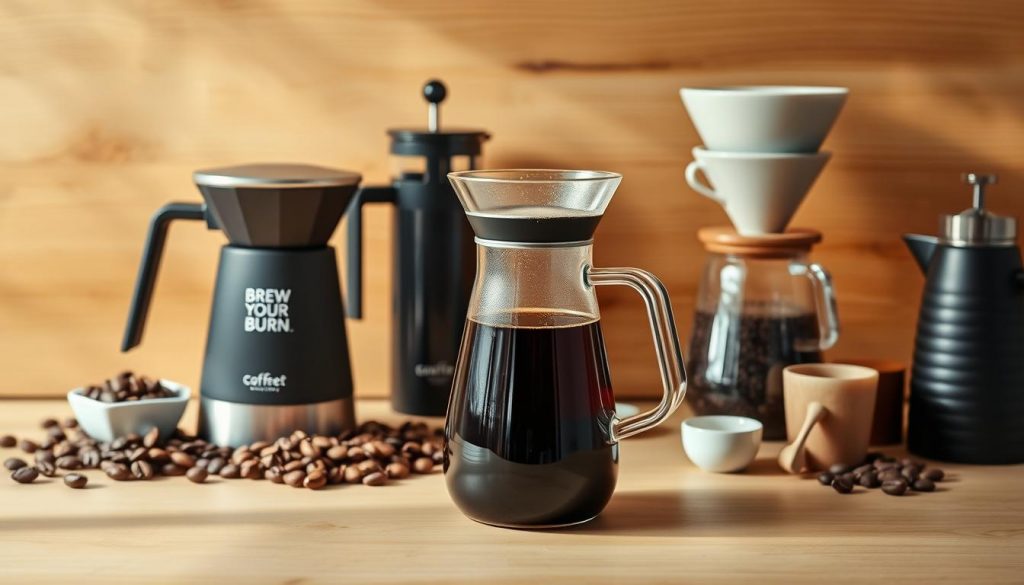
Choosing a brewing method shapes flavor, routine, and the time you spend at the kettle. Drip machines aim for a steady, repeatable cup. Home baristas pick pour-over when they want control. Friends who prefer bold texture reach for a French press. Coffee shops rely on espresso for quick, intense shots and milk drinks.
Comparison with pour-over, French press, and espresso
Pour-over gives you control over bloom, pour rate, and extraction. This control can yield a brighter, more nuanced cup than an automatic drip.
If you value single-cup craftsmanship, drip coffee vs. pour-over is a choice between convenience and hands-on nuance.
French press is an immersion method that leaves oils and body in the cup. You get a richer mouthfeel and heavier texture.
When weighing drip coffee vs French press, consider consistency. Drip tends to be more uniform; French press can vary with timing and grind.
Espresso uses high pressure and a fine grind to make concentrated shots. It fuels lattes, cappuccinos, and Americanos. For quick, café-style drinks, drip coffee vs espresso is a contrast of volume and intensity. Drip makes multiple cups. Espresso makes bold single servings.
When to choose drip over other methods
Pick drip when you need several reliable cups for family breakfasts or the office. Drip coffee vs other brewing methods favors low-skill repeatability. You set a grind, measure the coffee, and the machine handles the rest.
Choose pour-over or espresso when you want to focus on craft, single-cup detail, or café-style textures.
Choose a French press when you prefer a fuller-bodied, oil-forward cup and you accept a bit more cleanup.
| Feature | Drip | Pour-over | French Press | Espresso |
|---|---|---|---|---|
| Control | Low, automated | High, manual | Moderate, timing-based | High, pressure-dependent |
| Consistency | High | Moderate | Variable | High (with skill) |
| Cup style | Balanced, clear | Bright, nuanced | Full-bodied, oily | Concentrated, intense |
| Best use | Multiple cups, daily routines | Single-cup craft brewing | Rich, shared servings | Café drinks, quick shots |
| Effort/Time | Low | Moderate to high | Low to moderate | High skill, quick extraction |
Knowing the trade-offs among popular coffee brewing methods helps you pick what fits your mornings. If convenience, volume, and steady results matter most, drip is often the practical choice.
How to make perfect drip coffee at home
Making great coffee is simple. Below, you’ll find a list of ingredients and equipment you need. Plus, step-by-step instructions for brewing drip coffee at home. These tips make it easy and consistent.
Ingredient and equipment checklist
Start with fresh, medium-roast Arabica beans for a classic taste. Use filtered, cold water to avoid bad flavors. Add cream or non-dairy creamer and sugar if you like.
For brewing, choose a reliable drip brewer like Mr. Coffee or Cuisinart. Use paper or reusable filters that fit your brewer.
A burr grinder is best for a consistent medium grind. A kitchen scale helps with exact ratios. A kettle is useful for preheating if you prefer.
Use about 1/2 to 1 tablespoon of ground coffee per 6-ounce cup. For more precision, aim for a 1:15 to 1:17 coffee-to-water ratio. For iced coffee, double the strength to counteract ice melting.
Step-by-step brewing best practices
Grind whole beans just before brewing. Aim for a medium grind, like regular sand. Fresh grind keeps aroma and flavor intact.
Fill the reservoir with filtered, cold water to the needed volume. Place a clean filter in the basket. If using paper, rinse it with hot water to remove taste and preheat the basket.
Add measured coffee to the filter. If your machine has brew strength settings, choose the right one for your taste.
Start the brew cycle and watch for even extraction.
Avoid leaving coffee on a hot plate for long. Transfer brewed coffee to a thermal carafe to keep flavor stable. For iced drinks, brew stronger, cool quickly, and serve over ice.
Store leftovers in the fridge and use them within five to seven days.
| Step | Action | Why it matters |
|---|---|---|
| 1 | Measure beans, grind to medium | Consistent grind yields even extraction in the drip coffee brewing process |
| 2 | Use filtered water, and preheat the filter | Removes off-flavors and stabilizes brew temperature for better flavor |
| 3 | Set coffee-to-water ratio (1:15–1:17) | Delivers balanced strength when making drip coffee at home |
| 4 | Start brewing, avoid long heat exposure | Prevents bitter notes and keeps the taste fresh when brewing drip coffee at home |
| 5 | Transfer to a thermal carafe or cool for iced | Preserves flavor for later and ensures the best iced coffee results when brewing drip coffee at home |
Best drip coffee makers and machines for American homes
Choosing the right drip coffee machine can transform your morning. This guide covers common types, key features, and what to look for when shopping.
You’ll find everything from budget-friendly options to high-end machines for precision.
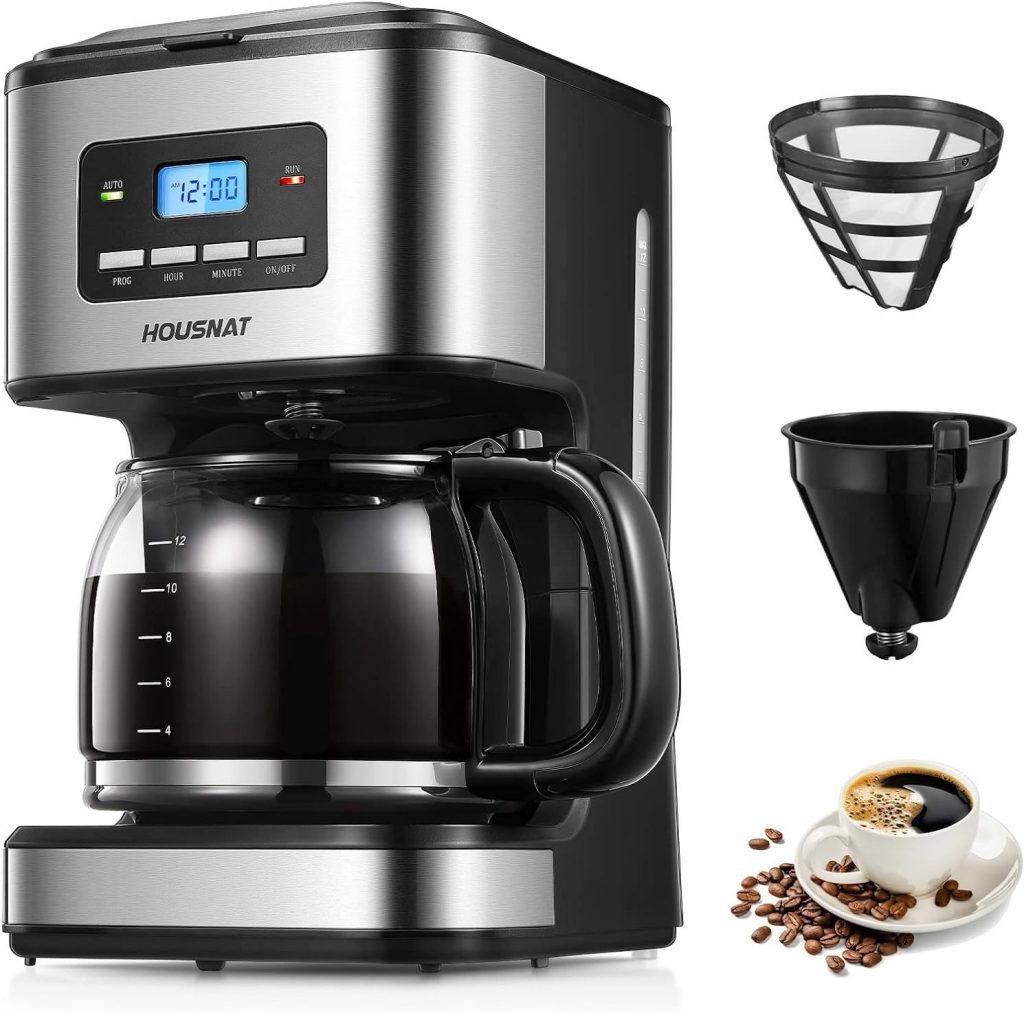
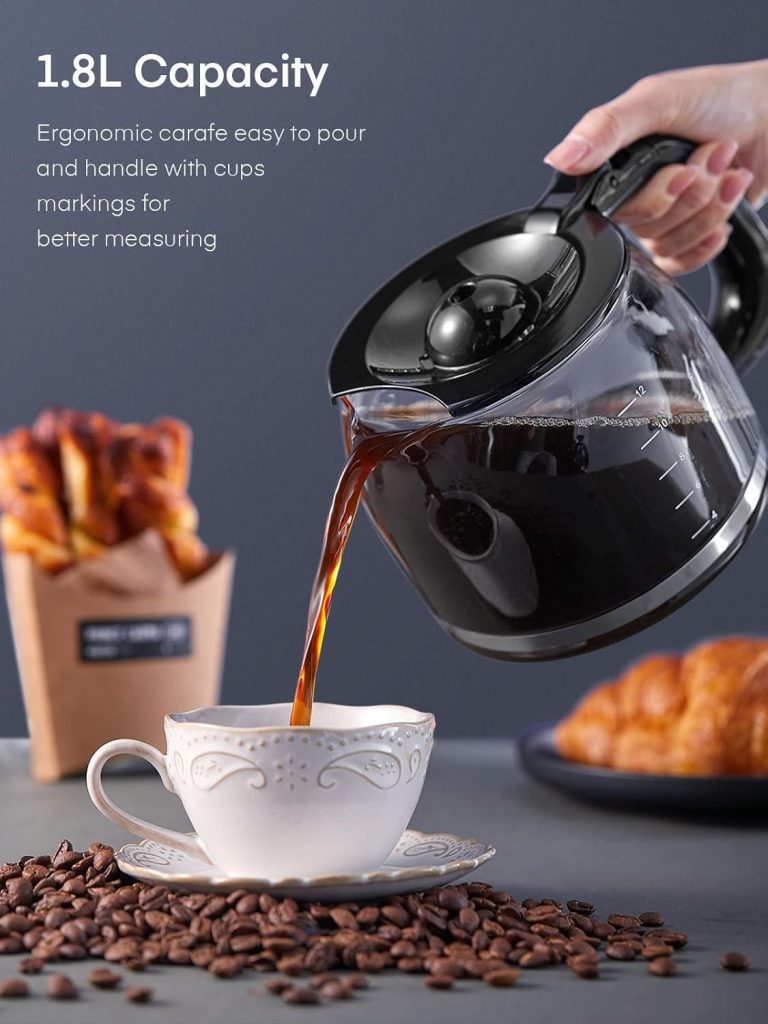
Machines like this fabulous Housnat are under $50!
Popular machine types and features
Traditional drip makers with glass carafes are still popular. They’re affordable and often have programmable timers, brew-strength settings, and auto-shutoff.
Thermal carafe models keep coffee hot for longer without a hot plate. This means your coffee stays flavorful all day.
Single-serve pod-compatible units and combination machines offer convenience and variety. They let you brew a full carafe or a single cup as needed.
High-end automatic drip machines from brands like Technivorm (Moccamaster) and Breville have built-in grinders or precision brewing profiles.
These features enhance freshness and consistency.
Buying considerations and recommended features
Look for machines built to last, easy to clean, and with reliable heating. A burr grinder or a machine that works well with freshly ground beans will improve flavor.
Choose a thermal carafe if you’ll be brewing and storing coffee for hours. Programmable features save time and help you stay on schedule.
If your tap water quality is inconsistent, opt for a machine with water filtration or a built-in filter. Capacity is also important: small households might prefer a 4-cup model, while larger families need a 12-cup machine.
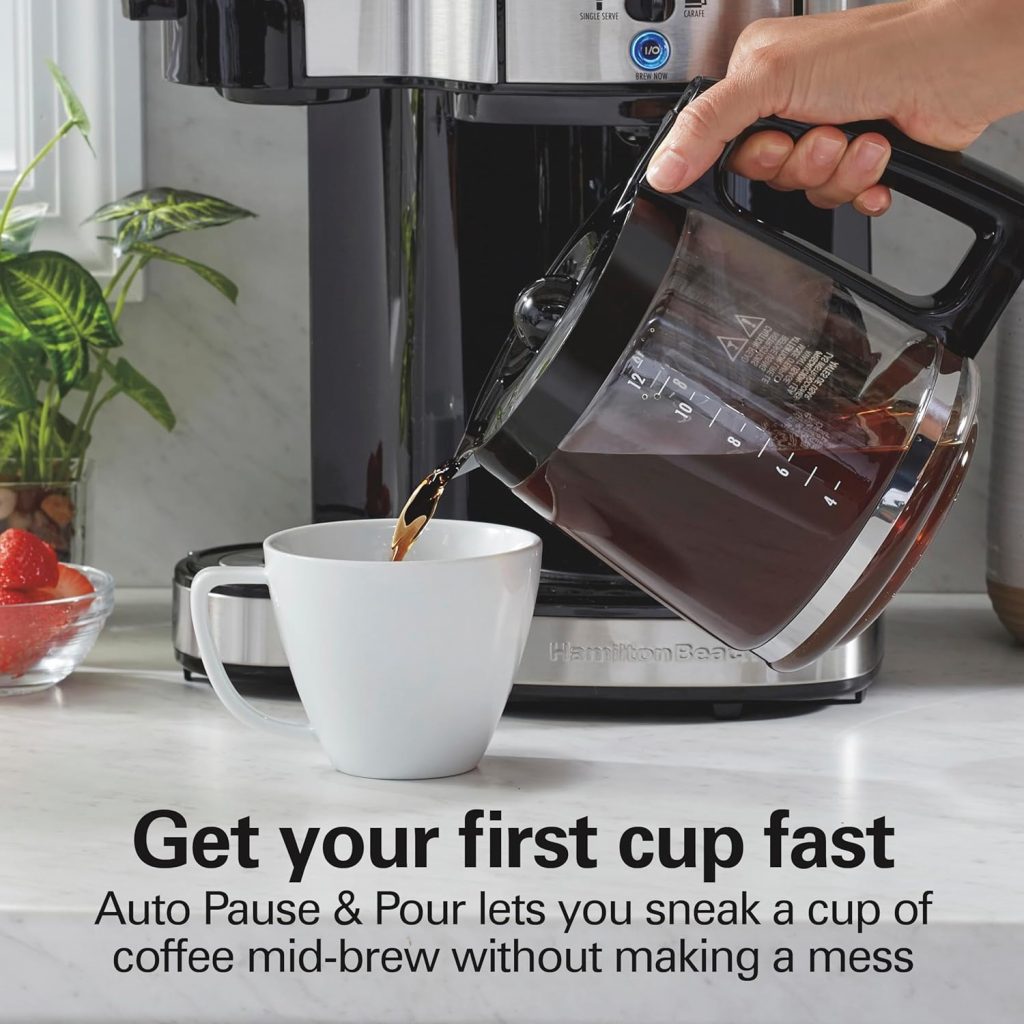
Budget options from Hamilton Beach and Mr. Coffee are great for value. Mid-range shoppers will find strong choices from Cuisinart and Breville.
For top-notch drip coffee machines, consider Technivorm (Moccamaster) or high-end Breville models for durability and precision.
Popular drip coffee brands and specialty blends
When you browse the coffee shelves, you’ll see both well-known brands and new roasters. You can pick everyday coffee or try single-origin beans from small roasters.
Either choice can lead to a great cup of coffee, as long as you match the beans to your brewer.
Mainstream grocery and specialty options
Folgers and Maxwell House are staples for daily drip coffee. They’re easy to find and affordable. Private-label beans offer convenience and consistency.
National brands like Starbucks and Peet’s Coffee sit next to specialty names like Stumptown and Blue Bottle. These brands offer a range of flavors.
Specialty drip coffee blends often have a medium roast. They balance acidity and body well. Single-origin beans bring unique flavors from different regions.
How to choose the best coffee for drip brewing
Freshness is key. Buy whole-bean Arabica and check the roast date. Grind the beans just before brewing at a medium grind. This step enhances flavor and aroma more than any gadget.
Consider the roast profile. Medium roasts are popular for their balance. Dark roasts are bolder and smokier, great for iced coffee or strong brews.
Single-origin beans show off unique flavors. Blends aim for a consistent taste.
Match the coffee’s taste to your preferences. Look for labels that say balanced, medium, or house blend for consistent results.
If you’re looking for the best drip coffee, try a few medium blends from both mainstream and specialty brands.
Drip coffee culture in America and iconic places
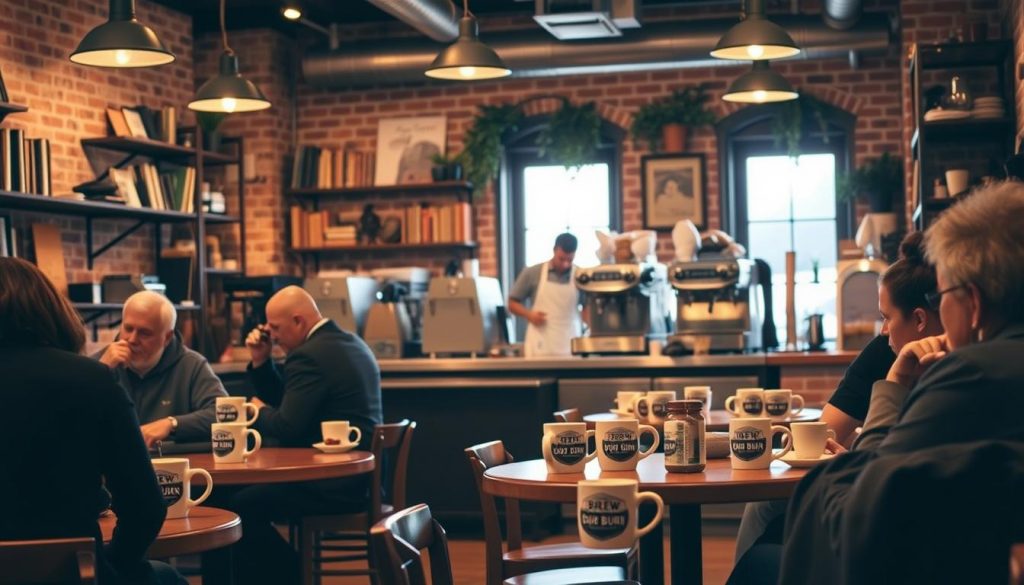
The morning pot, the office carafe, and the corner cafe are key to drip coffee culture in America. These scenes show how people brew, share, and enjoy coffee at home and work.
It’s a mix of comfort, convenience, and a love for simple, steady coffee.
At-home rituals and workplace norms
Many families start their day with drip brewed coffee. They pour it into travel mugs and head out. This ritual is central to daily life and shapes their coffee choices.
Offices often use large drip brewers or thermal carafes. These setups support communal habits and brief breaks.
They boost focus and social time, making shared pots a key part of office life.
At home, coffee rituals influence what people buy. They prefer reliable brands like Mr. Coffee or Hamilton Beach for ease.
But they also seek out specialty beans for their drip brewing. These choices reflect American coffee culture and personal taste.
Iconic shops and regional drip traditions
Classic diners from Boston to Nashville serve light to medium roast drip coffee. The New England style often favors a brighter, gentler cup. This suits diner fare and long breakfasts.
On the West Coast, Seattle and Portland led the way in single-origin and specialty drip pours. Shops like Stumptown and local roasters focus on origin and processing.
This trend has made drip coffee culture in the US more diverse.
In New York and Minneapolis, neighborhood cafés offer a mix of chain efficiency and handcrafted house roasts. You’ll find both big-brand convenience and unique blends made to shine in a drip brewer.
These places create a patchwork of regional traditions and iconic drip coffee shops in the US.
Sustainability and industry trends affecting drip coffee
You love great taste and want to make a difference. Your choices in beans and gear affect farms, jobs, and the whole industry.
Now, more people want to know where their coffee comes from and how it’s made.
Look for Fair Trade, Rainforest Alliance, and Organic labels. They help farmers and protect nature. Choose roasters who share where their beans come from.
Using reusable or compostable filters cuts down on waste.
Small actions at home can make a big difference. Buying fresh beans from open roasters supports better farming.
Composting coffee grounds and picking long-lasting brewers also helps the planet and saves money.
Sustainable drip coffee practices
Opt for beans with clear certifications like Fair Trade and Rainforest Alliance. They help farmers earn more and care for their land. Organic coffee means less chemicals and more wildlife.
Switch to reusable or compostable filters to reduce waste. Brands like Melitta and Able offer durable options.
Keeping your brewer clean and well-maintained saves resources and improves taste.
Support roasters who share roast dates and origins. Direct trade means more money goes to farmers. Buying from local roasters or online rewards those who care about quality and fairness.
Market and consumption trends
Specialty coffee is on the rise in the US. More people are looking for high-quality beans and unique roasts.
Specialty coffee now makes up a big part of what we drink, while classic drip remains a favorite for everyday use.
More of us are brewing coffee at home than ever before. Online sales for beans and subscriptions have doubled. This change has reshaped the market and opened doors for small roasters.
The coffee industry is growing, with both craft and classic drip in demand. New trends like cold brew and nitro have added variety, but drip remains a staple.
Sustainable practices and clear supply chains are crucial for the industry’s future.

Conclusion
Americans love drip coffee for many reasons. It’s a habit, easy to make, and always tastes good. The National Coffee Association found that 66% drink coffee every day. Also, 62% have a drip machine, and 71% make their coffee at home.
This shows why drip coffee is so popular. It’s easy to use and always tastes the same. For the best taste, use medium-roast Arabica beans and fresh water.
Follow the tips in Section 6 for perfect coffee every time.
Choosing the right machine is also important. It should fit your home and needs. This way, you can enjoy great coffee every day.
Drip coffee is also loved because it’s familiar and customizable. You can try different beans and settings to make it your own.
Plus, you can choose eco-friendly options like certified beans and energy-saving machines.
Want to improve your drip coffee game? Try the brewing steps in Section 6. Look at different machines in Section 7. And check out specialty roasters in Section 8.
This will make your daily coffee ritual even better.
Get this great design and more at our Teepublic Coffee Shop