Coffee lovers know that freshly roasted coffee beans offer a unique taste and smell. But did you know that bad storage can make coffee lose its flavor and smell in just two weeks?
Keeping your coffee beans fresh is key. The right storage time and methods can greatly affect how your coffee tastes and smells.
To keep your coffee fresh longer, knowing the best storage tips is important. In this article, we’ll look at the best ways to store your coffee beans. We’ll also talk about what affects their freshness.
Key Takeaways
- Proper storage can extend the freshness of coffee beans.
- Incorrect storage can lead to a loss of flavor and aroma.
- Understanding the best storage methods is crucial for coffee lovers.
- Factors like temperature, humidity, and light exposure affect coffee bean freshness.
- Using the right storage containers can help maintain coffee quality.
The Shelf Life of Coffee Beans
Coffee lovers know how important freshness is. Knowing how long coffee beans last is crucial. It affects the taste and smell of your coffee.
Whole Bean vs. Ground Coffee Longevity
Storing coffee beans whole or ground affects their shelf life. The main difference is the surface area exposed to air, moisture, and light.
Whole Beans: 2-4 Weeks After Roasting
Whole coffee beans last longer than ground ones. They have less surface area. Whole beans stay fresh for 2-4 weeks after roasting when stored right. This lets you enjoy your coffee at its best.
Ground Coffee: 1-2 Weeks After Grinding
Ground coffee, with more surface area, has a shorter shelf life. It’s best to drink it within 1-2 weeks after grinding for the best taste.
Roast Level Impact on Storage Duration
The roast level of coffee beans also affects their shelf life. Different roast levels react differently to storage conditions.
Light Roasts: Longer Shelf Life
Light roasts last longer than darker ones. They keep their freshness longer because they have less oil. Light roasts can stay fresh a bit longer than whole beans usually do.
Dark Roasts: Shorter Shelf Life
Dark roasts, with more oil, are more likely to go stale quickly. They have a shorter shelf life and should be enjoyed within 2-4 weeks like whole beans.
To keep your coffee beans fresh, follow these storage tips:
- Store in an airtight container.
- Keep away from direct sunlight.
- Maintain a consistent refrigerator temperature if choosing to store in the fridge.
Understanding Coffee Freshness
Freshness is key to unlocking the full flavor potential of your coffee. Coffee freshness involves several factors, like the peak flavor window and the degassing process.
Knowing these can help you enjoy your coffee beans more.
Peak Flavor Window
The peak flavor window is when your coffee beans taste the best. This window opens a few days after roasting.
It can last from a few days to a couple of weeks, depending on the roast and bean type. During this time, the flavors are vibrant, and the coffee is most enjoyable.
The Degassing Process
The degassing process is vital for coffee freshness. After roasting, coffee beans release carbon dioxide (CO2) gas, which affects the flavor.
Let’s explore this process further.
Carbon Dioxide Release Timeline
The CO2 release is not immediate; it’s a gradual process. It can take from a few days to several weeks.
At first, the CO2 release is fast, but it slows down over time. This timeline is key because it affects the coffee’s brewing characteristics.
How Degassing Affects Taste
As CO2 is released, it changes the taste of your coffee. Freshly roasted coffee can taste sour or sharp due to high CO2 levels.
As the beans degas, the flavors mature, and the taste becomes balanced. Proper degassing is crucial for preserving coffee beans freshness and achieving the best flavor.
Understanding the peak flavor window and degassing process helps you extend coffee bean shelf life.
This way, you can enjoy your coffee at its best. “The secret to great coffee is not just in the beans, but in understanding and respecting their freshness,” coffee lovers often say.

Factors That Affect Coffee Bean Storage Time
Knowing what affects coffee bean storage is key to keeping them fresh. Several important factors play a role in how long your coffee stays good.
These factors impact the quality and how long you can enjoy your coffee.
Oxygen Exposure
Oxygen is a big problem for coffee beans. It makes them lose their taste and smell. To fight this, store your coffee in airtight containers.
This stops oxygen from getting in. You can also use containers with a one-way valve to let CO2 out while keeping oxygen out.
Moisture and Humidity
Moisture is another big factor. Too much humidity can make coffee beans stale or even moldy. To keep your coffee fresh, store it in a dry place with about 50% humidity.
Use dehumidifiers or moisture-absorbing packets to keep it dry.
Light Exposure
Light can also harm your coffee beans. Direct sunlight can make them lose their flavor and smell. Store your coffee in a dark or dim place, away from sunlight.
Use opaque containers to block out light.
Temperature Fluctuations
Changes in temperature can also affect your coffee. Don’t store coffee near heat sources like vents or ovens.
Keep it in a cool, stable place with a temperature between 50°F to 70°F (10°C to 21°C).
By managing these factors, you can keep your coffee beans fresh for longer. Using proper coffee bean storage methods is essential for enjoying your coffee at its best.

How Long Can You Store Coffee Beans in Different Environments?
Storing coffee beans right can keep them fresh and tasty. Different places offer different levels of protection against things that can spoil coffee.
Pantry Storage Duration
Many people store coffee beans in their pantry. It’s important to keep them in the best conditions.
Ideal Conditions for Pantry Storage
Store your coffee in an airtight container. Keep it away from sunlight and in a room temperature of 60°F to 70°F (15°C to 21°C).
Expected Freshness Timeline
Coffee beans in a pantry stay fresh for 1 to 2 weeks after opening. For the best taste, use them within this time.
Refrigerator Storage Timeline
Storing coffee beans in the fridge can make them last longer. But, watch out for moisture.
Moisture Concerns in Refrigeration
Moisture can get into containers and harm the coffee. Use containers that keep moisture out.
Proper Packaging for Refrigeration
Put coffee beans in a sealed container or freezer bag. This keeps moisture and odors away.
Freezer Storage Longevity
Freezing coffee beans can make them last even longer. But, you need to prepare them right.
Freezing Preparation Steps
Split coffee beans into portions. Store them in airtight containers or freezer bags. Don’t forget to label them with the date.
Thawing Best Practices
When you’re ready to use frozen coffee beans, thaw them at room temperature. Keep them sealed to prevent moisture from getting in.
| Storage Method | Freshness Duration | Key Considerations |
|---|---|---|
| Pantry | 1-2 weeks | Airtight container, consistent temperature |
| Refrigerator | 2-4 weeks | Moisture-proof container, minimal moisture exposure |
| Freezer | 2-3 months | Airtight container or freezer bag, proper thawing |
Optimal Storage Containers for Coffee Beans
Choosing the right storage container is key to keeping your coffee beans fresh. The container you pick can greatly affect the taste and smell of your coffee.
It’s important for coffee lovers to know the best ways to store their beans.
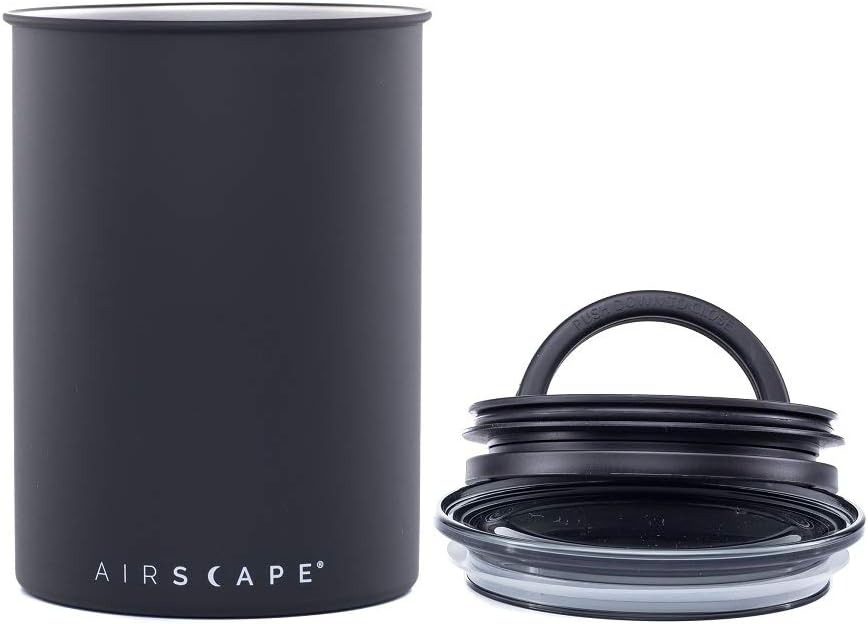
Storage canister like this that are air tight do the job perfectly.
Airtight Containers
Airtight containers are a top pick for storing coffee beans. They keep air, moisture, and light out, which helps keep the flavor in.
Look for ones made from glass or stainless steel. These materials are safe and last a long time.
Vacuum-Sealed Options
Vacuum-sealed containers or bags get rid of air, slowing down the process that can spoil coffee beans. This method works well for keeping beans fresh for a long time.
Make sure the container or bag is made for storing coffee.
Coffee Valve Bags
Coffee valve bags have a special valve that lets CO2 out but keeps oxygen out. This is great for coffee beans that have just been roasted. These bags make storing coffee beans easy.
| Container Type | Key Features | Benefits |
|---|---|---|
| Airtight Containers | Non-reactive materials, airtight seal | Preserves flavor, durable |
| Vacuum-Sealed Options | Removes air, reduces oxidation | Effective for long-term storage |
| Coffee Valve Bags | One-way valve for CO2 release | Convenient, preserves freshness |
By picking the right storage container, you can enjoy your coffee beans at their best. Think about what you need and like when choosing a container.
The Science Behind Coffee Degradation
Learning about coffee degradation can help keep your coffee beans fresh. Coffee beans are very sensitive to their surroundings. Many things can cause them to lose their flavor and smell.
Oxidation Process
The oxidation process is a big reason for coffee degradation. When coffee beans meet oxygen, they start chemical reactions.
These reactions make them lose their taste and smell. To stop oxidation, it’s important to store coffee beans in airtight containers to keep oxygen out.
Aroma Compound Volatility
Aroma compounds in coffee evaporate fast when they meet air, heat, or light. This loss of smell and taste is due to their volatility. T
o keep your coffee fresh, store it in a cool, dark place.
By following these tips, you can make your coffee beans last longer. Enjoying a better-tasting cup of coffee is possible.
Just remember to use coffee bean preservation tips and watch out for factors that cause degradation.
Signs Your Coffee Beans Are Past Their Prime
Wondering if your coffee beans are still fresh? Look for a few key signs. Coffee beans can keep their flavor and aroma for a while if stored right.
But, they will eventually get old. Knowing when they’re stale is important for keeping them fresh longer.
Visual Indicators
One early sign of old coffee beans is how they look. Fresh beans are bright and shiny. As they get older, they lose their shine and look duller.
Look for mold or moisture, which means they’re not good anymore.
Aroma Changes
The smell of your coffee beans is another important sign. Fresh beans have a strong, rich smell. But, as they age, the smell fades and might even smell sour.
If the smell changes a lot, your beans are likely old.
Taste Differences
The taste of your coffee is the best way to check if beans are fresh. If it tastes flat, stale, or bitter, it’s old.
Storing coffee beans correctly helps keep their taste good for longer.
By watching for these signs, you can always use the freshest coffee beans. This way, you get the best taste from your coffee.
Best Practices for Preserving Coffee Bean Freshness
To keep your coffee beans fresh, you need to store them right and buy them wisely. Follow these tips to enjoy your coffee at its best for longer.
Buying Frequency Recommendations
Buying coffee beans in small amounts is key to freshness. This way, you always use beans that are freshly roasted.
Tip: Buying smaller batches often keeps your coffee fresh.
Portion Control Strategies
Controlling how much coffee you use is crucial. It helps keep unused beans fresh and flavorful.
Pre-Portioning for Freezer Storage
Freezing coffee beans in airtight containers is smart. It lets you thaw only what you need, keeping the rest fresh.
Daily Grinding Amounts
Grinding just the right amount each day is also important. It helps prevent too much coffee from getting stale.
Storage Location Tips
Where you store your coffee beans matters a lot. Keep them away from heat, sunlight, and humid places.
Tip: Store them in a cool, dark spot or a special coffee container for best results.
| Storage Method | Duration | Tips |
|---|---|---|
| Pantry Storage | 1-2 weeks | Use airtight containers, keep away from light and heat. |
| Refrigerator Storage | 2-4 weeks | Store in airtight containers, avoid moisture. |
| Freezer Storage | 2-3 months | Pre-portion into airtight bags or containers, minimize exposure to air. |
Common Coffee Storage Mistakes to Avoid
To keep your coffee beans fresh, it’s important to avoid common mistakes. The right storage methods can greatly improve your coffee’s taste and smell.
Here are some errors to avoid:
Freezing and Refreezing
Freezing coffee beans can help keep them fresh. But, refreezing can harm them more than help. Freezing can cause moisture to build up, and refreezing can damage the beans with ice crystals.
To prevent this, freeze your coffee in portions so you only thaw what you need.
Storing Near Strong Odors
Coffee beans easily pick up smells from around them. Keeping them near strong-smelling foods or chemicals can ruin their taste and smell.
Store your coffee in a place away from strong odors to keep its quality.
Using Clear Containers
Clear containers might look nice, but they’re not the best for coffee. Light can make coffee go bad faster. Use opaque or dark-colored containers to keep your coffee safe from light.
This simple change can help keep your coffee’s flavor and aroma.
By avoiding these common mistakes, you can enjoy a more flavorful cup of coffee. The secret to keeping your coffee beans fresh is proper storage techniques and being careful about what affects their quality.
- Store coffee beans in a cool, dark place.
- Avoid storing coffee near strong odors.
- Use airtight, opaque containers to preserve freshness.
Extending Coffee Bean Shelf Life: Advanced Techniques
There are advanced ways to keep your coffee beans fresh for longer. Using nitrogen flushing and vacuum sealing can help. These methods keep your coffee’s taste and aroma alive for more time.
Nitrogen Flushing
Nitrogen flushing replaces oxygen in containers with nitrogen. This gas doesn’t harm coffee. It’s a top choice for keeping coffee fresh, used by both businesses and at home.
Vacuum Sealing Methods
Vacuum sealing is another great way to keep coffee beans fresh. It removes air, slowing down oxidation. You can find many vacuum sealing options, from simple home devices to complex commercial ones.
Home Vacuum Sealer Options
For those at home, there are vacuum sealers made just for coffee. They’re easy to find online or in kitchen stores. Make sure to pick one that seals well and is simple to use.
Commercial Solutions
Businesses or coffee lovers can also use commercial vacuum sealers. These are stronger and can handle more coffee. They often come with extra features like automatic nitrogen flushing.
Buying Strategies for Maximum Freshness
Your coffee’s freshness depends on how you buy it. To get the best taste, you need smart buying strategies.
This means paying attention to the roast date and buying from local roasters.
Roast Date Importance
The roast date is key to coffee freshness. Coffee beans taste best soon after roasting. Always check the roast date when you buy coffee beans. Choose beans roasted in the last week or two for the best flavor.
Local Roaster Advantages
Buying from local roasters boosts your coffee’s freshness. They roast in small batches often, so their coffee is fresher.
Supporting local businesses also means better service and quality. Plus, local roasters are open about their roasting dates and methods.
Conclusion
Now you know how to keep your coffee beans fresh. Storing them right is key to keeping their taste and smell.
By learning how long to store them and using the right tips, you’ll always have a great cup of coffee.
Remember, keep your coffee beans in airtight containers. Make sure they’re away from light, moisture, and heat. You can store them in your pantry, fridge, or freezer, depending on what you need.
Buying coffee beans in small amounts and grinding them just before you brew helps too. These steps will let you enjoy your coffee beans for longer.
Whether you drink coffee a lot or just sometimes, storing it right is important for the best taste.