
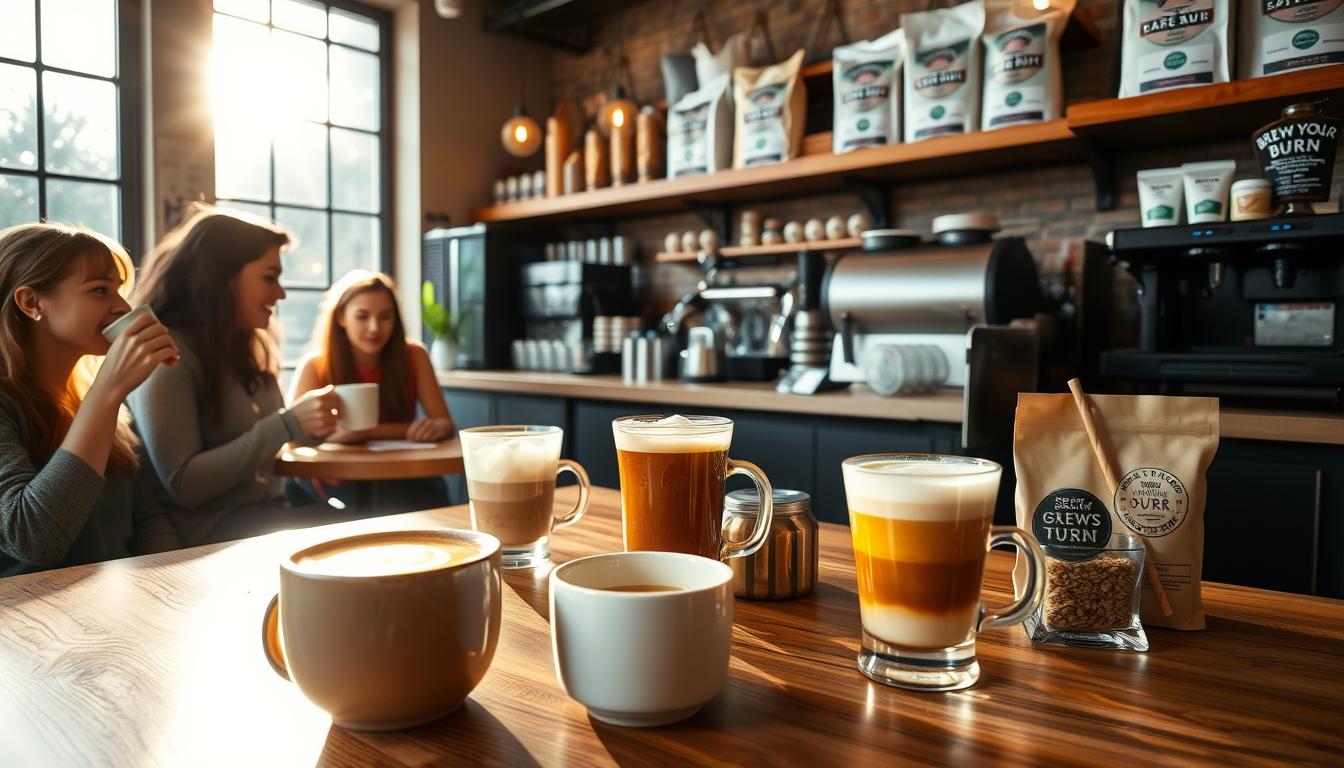
Welcome. This guide turns daily coffee into a calm, refined ritual.
You’ll learn simple ways to enjoy elegant servings, clear flavors, and slower moments.
These moments highlight quality beans and gentle techniques.
In Bengaluru and global cities, cafes like Ground Up, Nerlu Cafe, and Coffee Mechanics connect growers and drinkers.
Small roasters and workshops have encouraged a shift from automatic brewers to semi-automatic machines and hands-on homebrewing.
This shift lets you taste the origin, roast, and method more clearly.
This article will guide you through popular coffee trends and practical brewing techniques.
You’ll learn about bean selection, recipes, equipment, presentation, community learning, and industry updates. Read on to brew like a pro with confidence.
Whether you prefer a quiet pour-over, a French press, or a chilled demure iced coffee, you’ll find your way.
Key Takeaways
- Popular coffee trends focus on simplicity, quality beans, and mindful drinking.
- Learning basic techniques helps you brew like a pro at home.
- Cafes and small roasters shape local coffee culture and community learning.
- Simple tools—grinder, scale, and kettle—improve consistency quickly.
- Recipes like demure iced coffee and single-origin pours show flavor clarity.
Why coffee culture matters today: trends shaping how we drink
Coffee is more than a morning boost. It’s a shared language that shapes our routines and social lives. It explains why some cups, shops, and rituals become popular.


Slow, mindful drinking turned coffee into a social ritual. It rewards attention to detail.
Moments of quiet focus and tasting notes build sensory awareness and reduce stress.
When we treat coffee as a ritual, we notice its origin and roast choices. These details shape our adoption of coffee trends and make each cup more special.
Role of cafes as community and creative hubs
Cafes today are more than just places to buy drinks. They host workshops, tastings, and contests.
In Bengaluru, cafes like Ground Up and Coffee Mechanics blend traditional coffee with specialty brewing.
These spaces support local roasters and estates. They encourage homebrewing and semi-automatic machine use. Cities worldwide have cafes that serve as creative hubs for food, design, and learning.
Social media coffee influencers shape how we discover drinks and techniques.
Short videos and photos make it easy to follow new trends. This speeds up the adoption of new flavors and brewing hacks.
Influencers often direct followers to specialty shops and events. This boosts cafe foot traffic and encourages home experimentation.
When influencers share simple rituals or single-origin stories, followers adapt them to their lives.
Understanding these forces—local cafe culture, mindful ritual, and social media influence—helps you choose trends that fit your taste and values.
Popular coffee trends
Coffee trends change quickly, but some stick around.
In 2024–2025, people want clear, slow, and authentic coffee experiences. You’ll find this in cafes worldwide and in home setups with various coffee gear.
Overview of current high-impact trends in 2024–2025
New trends include cold-coffee drinks like nitro and plant-based lattes. Home equipment is also getting better, making specialty coffee easier to make at home.
Single-origin beans and knowing where they come from are big hits. Roasters like Blue Tokai and Intelligentsia share tasting notes and farm stories to tell the bean’s tale.
Mindful and demure coffee moments: simplicity, elegance, and ritual
Now, people prefer quiet, focused coffee moments over loud trends. They enjoy slower brewing methods like pour-over or French press.
These methods invite you to savor the taste.
Design and serving are about calm, not show. Simple cups and measured pours enhance flavor and reduce distractions.
Specialty coffee drinks and the rise of single-origin storytelling
Specialty coffee drinks now focus on the bean’s origin, not heavy syrups. Expect more espresso and filter drinks that let the bean’s flavors shine.
Single-origin storytelling connects you to farms in places like Karnataka and Colombia. Roasters and cafes aim to build trust by tracing the coffee’s journey.
Practical takeaway: start with two trends. Try exploring single-origin beans and making a mindful iced coffee with coffee ice cubes to keep the flavor strong.
Specialty coffee drinks to master at home
Learning a few reliable recipes lets you enjoy cafe-quality drinks at home. Start with basics that highlight the quality of the beans.
Then, add fun twists to explore new coffee flavors.
Small changes in dose, temperature, and milk choice can greatly improve taste.
Trendy espresso drinks: flat whites, cortados, and modern twists
Flat whites and cortados are all about balance. Use a 1:2 to 1:3 espresso-to-milk ratio for cortados.
For flat whites, stretch the milk a bit longer.
Match single-origin shots with milk that complements the bean’s notes. Try oat milk for a sweeter taste or lower-temperature steaming to keep floral and fruity notes.
These trendy espresso drinks require careful timing and steady steaming.
Seasonal and unique coffee flavors: floral, fruity, nutty profiles
Use single-origin beans from places like Ethiopia or Colombia for floral and fruity tones.
Lighter roasts keep floral and citrus notes, while medium roasts bring out nutty and caramel traits.
Try adding a drop of orange oil, a dash of cinnamon, or a light honey syrup. These small changes reveal unique flavors without hiding the bean’s taste.
Cold coffee innovations: nitro, cold brew, and demure iced coffee recipes
Make a cold brew concentrate to preserve aroma and body. Use coarse grounds and a 1:4 to 1:8 coffee-to-water ratio, steeped 12 to 18 hours, then chill.
Serve over coffee ice cubes to avoid dilution for a demure iced coffee that stays bright.
For a nitro cold brew effect, use a whipped cream dispenser charged with N2O for a creamy pour or buy nitro-ready cans from trusted roasters.
These methods produce the silky texture fans seek in nitro cold brew.
Below is a practical comparison to help you choose which drinks to practice first.
| Drink | Key Skill | Best Beans | Flavor Focus |
|---|---|---|---|
| Flat White | Microfoam and shot timing | Single-origin medium roast | Balanced, creamy, subtle sweetness |
| Cortado | Espresso-to-milk ratio | Espresso blend or bright single-origin | Concentrated, nutty, syrupy |
| Cold Brew Concentrate | Extraction time and dilution control | Medium to dark single-origin | Smooth, chocolaty, low acidity |
| Nitro Cold Brew | Foam texture and dispensing | Roastery nitro blends or canned nitro | Silky, rich, visually striking |
| Demure Iced Coffee | Chilled brewing and ice management | Bright single-origin or blend | Clean, floral, refreshing |
Innovative brewing methods every home barista should try
Choosing a brewing method changes your coffee and your daily routine. Start with simple methods to learn about extraction and taste.
Then, move to gear that meets your needs, like clarity, body, speed, or control.
Pour-over and French press for clarity and simplicity
Pour-over offers clean flavors and lets you control the flow. It brings out single-origin notes and bright acidity.
You learn to pour, pause, and adjust to taste.
The French press uses full immersion for a richer body and mouthfeel. It keeps oils and texture in the cup.
Use a coarse grind and a gentle plunge to avoid bitterness.
Aeropress and immersion techniques for fast, consistent cups
Aeropress is fast and versatile. It’s great for consistent shots and quick recipes. You can experiment with pressure, water temperature, and brew time to tune clarity and strength.
Immersion methods, like the French press, let you control contact time precisely.
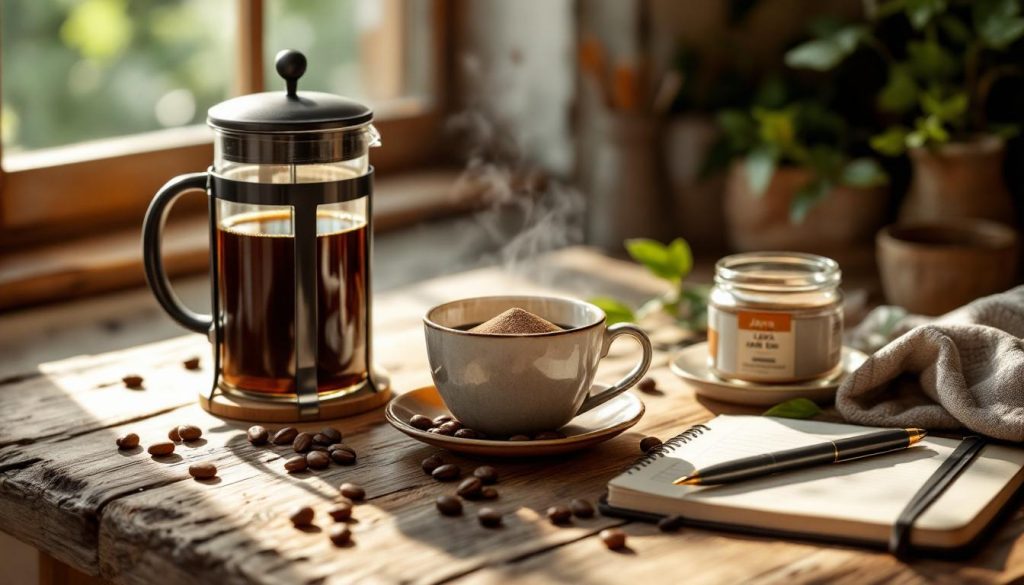
Try short immersion for bright clarity or longer for fuller body. These techniques help you understand extraction fast.
Using semi-automatic machines versus automatic brewers for precision
Semi-automatic machines give you control over pressure and temperature. Baristas in Bengaluru and other cities use them to improve espresso quality. You can dial in dose, tamp, and steam milk like a pro.
Automatic brewers offer consistent cups with little effort. They’re great for busy mornings or shared spaces where uniform results matter.
Start with pour-over or Aeropress to learn extraction basics.
If you want espresso drinks and skillful milk work, upgrade to semi-automatic machines when you’re ready. Each method teaches you something new about beans and taste.

How to choose beans: single-origin, blends, and roast levels
Choosing beans is key to every cup you brew. First, decide if you want to show off the coffee’s origin or keep it consistent like a house blend.
This choice helps you pick beans that fit your taste and brewing style.
Read flavor notes and roast profiles
Look at labels for notes like floral, fruity, or nutty. Light roasts have bright acidity and show off the origin.
Medium roasts offer sweetness and clarity. Dark roasts bring out chocolate and a rich body. Use these hints to match the flavor with your brewing method.
Try single-origin to learn regional traits
Single-origin coffees let you taste a specific place. Indian coffees from Karnataka Chikmagalur have classic spice and chocolate notes.
Trying these coffees helps you learn about different regions. Once you know these, blends can help you create a consistent flavor.
When to choose blends
Blends mix beans for a steady taste. They’re great for hosting guests or a daily cup. But if you love exploring unique flavors, try single-origin coffees.
Sources and ethical considerations
Choose beans from roasters who are open about their sources. Look for clear labels and tasting notes.
Many specialty roasters support fair trade and direct trade, ensuring quality and fair pay.
Sustainability matters
Go for beans from roasters who care about the environment. Look for shade-grown practices, soil health programs, or certifications. Supporting sustainability helps the coffee’s quality and the communities that grow it.
Practical next steps
- Buy small batches to test roast levels and regions.
- Compare a Karnataka Chikmagalur single-origin with a local blend to hear differences.
- Ask your roaster about traceability and roasting date for peak freshness.
Equipment guide: tools that elevate your brewing game
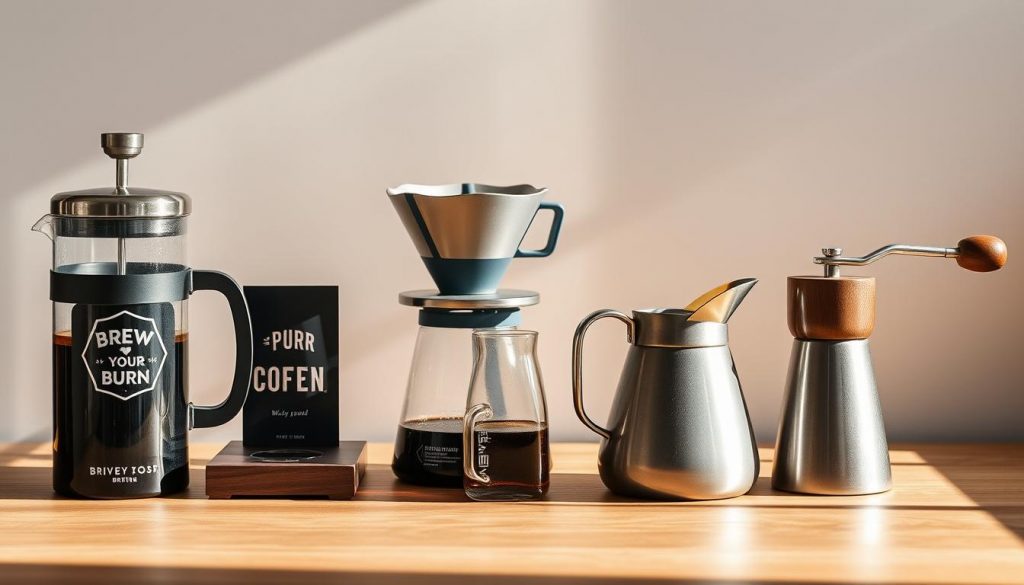
First, plan what tools you need to make better coffee at home. A focused guide helps you spend wisely.
Choose reliable items that fit your routine and taste, not every gadget.
Must-have small appliances: grinders, kettles, and scales
A burr grinder ensures consistent particle size, improving extraction. Opt for a conical or flat burr model from a trusted brand with easy adjustments.
Use a gooseneck kettle with temperature control for pour-over accuracy. Electric kettles with precise temperature settings reduce guesswork and boost consistency.
Invest in a digital scale with tare and gram resolution. Accurate dosing and water ratio depend on it more than intuition.
Grinders, kettles, and scales form a solid foundation.
Recommended machines for iced coffee and year-round brewing (features to look for)
Look for machines with a dedicated iced coffee function or adjustable extraction settings.
The Melitta® Aroma Tocco™ Plus is a great example, offering an exclusive iced coffee mode.
Semi-automatic espresso machines are popular worldwide, including in Bengaluru.
Choose one with stable temperature control, a reliable pump, and serviceable parts.
Cold-brew-friendly brewers, integrated chilled systems, or purpose-built iced coffee machines offer more options for summer and all-season drinks. Focus on ease of cleaning and consistent temperature performance.
Stylish, functional drinkware to amplify the demure coffee experience
Opt for thin-rim cups for clear tasting and simple ceramic or double-walled glass for a clean look.
Insulated glasses keep iced drinks cold and reduce dilution when used with coffee ice cubes.
Choose drinkware that feels comfortable and looks timeless. Minimal shapes and neutral tones let the coffee shine while fitting modern counters.
- Practical checklist: prioritize a quality grinder, a digital scale, and a temperature-controlled kettle.
- Next upgrades: a semi-automatic espresso machine and cold-brew equipment for seasonal variety.
- Finish with clean, simple cups and insulated glasses to complete the demure drinkware set.
Recipe lab: craft coffee drinks that look and taste pro-level
Welcome to a hands-on recipe lab where simple steps unlock cafe-quality results.
You will find clear, small recipes and practical tips. These help you make a demure iced coffee recipe, a reliable at-home latte, and quick flavor experiments that suit your pantry and mood.
Demure iced coffee recipe
Start with strong brewed coffee and chill it before assembly. Use coffee ice cubes to keep the drink cold without watering it down.
Add a splash of milk or a plant milk alternative and a light sweetener if you like.
Tip: Brew double-strength and cool in the fridge. Fill your glass with coffee ice cubes, pour the chilled concentrate, and finish with a dollop of whipped cream or a dusting of cinnamon for a polished look.
Signature at-home latte
Measure espresso or strong brewed coffee with a 1:3 espresso-to-milk ratio for a balanced cup.
Warm milk on the stovetop or use a pan-heating method when you do not have a steam wand.
For plant milks, choose barista-formulated oat or soy for better foam and texture.
Use a handheld frother or a French press to create microfoam that integrates smoothly with your espresso.
Flavor experiments
Start small. Add a 1/4 teaspoon of ground cinnamon, a dash of vanilla, or a teaspoon of caramel syrup to test balance.
Floral syrups like lavender pair best with lighter, floral single-origin beans. Nutty or chocolatey beans match caramel or hazelnut well.
Create honey coffee cubes for a layered sweetness swap or try a tiny fruit syrup for seasonal variations.
Keep notes on ratios so you can repeat the combos you like.
Practical consistency tips
Measure coffee-to-water ratios and pre-chill ingredients for iced drinks. Make a concentrate or cold brew batch ahead of time to keep flavor consistent.
Baristas in Bengaluru and other specialty scenes often stress ratio and temperature control to replicate cafe favorites at home.
When testing new flavors, change one variable at a time. This method helps you understand how plant milks, syrups, or coffee strength affect the final cup during your flavor experiments.

Techniques to improve consistency and extraction
Getting steady results at home starts with precise steps. Mindful preparation brings out flavor and makes each cup predictable. Use a scale, timer, and clear notes as your starting point.
Grind size, dose, and water temperature basics
Grind size affects how fast water flows through coffee. Coarser grounds are best for French press and cold brew.
Finer grounds are better for espresso and Aeropress. Adjust grind size based on brewing method.
Always measure dose with a digital scale. A consistent dose helps you learn faster.
Aim for water between 195–205°F (90–96°C) for balanced extraction.
Timing and yield: how to dial in extraction for clarity and body
To dial in extraction, adjust grind and dose for the right time and yield. If water flows too fast, the grind is too coarse.
If it’s too slow, it’s too fine. Change one thing at a time to see the effect.
Track yield with a scale and note the cup’s clarity and body. Use ratio guides like 1:15–1:17 for pour-over and adjust as needed. Repeating timed tests helps build a reliable profile for each bean.
Troubleshooting common homebrewing problems (under-/over-extraction, sourness)
Sour or under-extracted coffee needs a finer grind, more dose, or warmer water. Bitter or dry coffee means it’s over-extracted.
Try a coarser grind, less dose, or shorter brew time.
When problems arise, keep a simple log. Note grind size, dose, water temperature, brew time, and tasting notes.
Workshops and social vlogs offer quick fixes and tips for home.
Start with the under-extraction approach: tighten grind, increase dose, or warm up water.
Repeat until the cup is balanced. Consistent practice turns these adjustments into habits that improve your brew.
Elevating your coffee ritual: mindful drinking and presentation
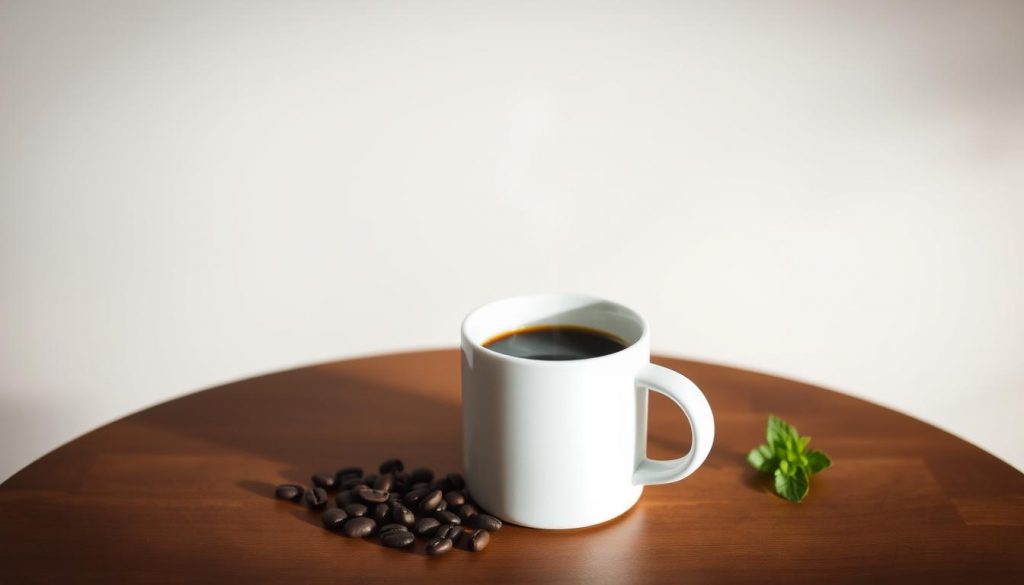
Make each cup a deliberate pause. When you treat brewing as a focused activity, aroma and flavor come forward.
Mindful drinking helps you slow down, sharpen attention, and turn a routine into a quiet moment of calm.
Practices for mindful coffee moments to boost focus and relaxation
Start with a simple action: breathe while the water heats. Notice the aroma when the grind blooms and the steam rises.
Taste slowly, noting sweetness, acidity, and mouthfeel. Short pauses between sips extend attention and reduce stress.
Minimalist rituals:
simplifying steps to highlight flavor
Strip your routine to essentials: fresh grind, measured dose, and steady pour. Minimalist rituals favor quality tools and neutral drinkware that show the bean’s true character.
A clean workflow reduces distraction and elevates clarity in every cup.
Styling and serving tips for Instagram-ready but authentic presentations
Choose textured or neutral cups, a small tray, and restrained garnishes like a single cinnamon stick. Use coffee ice cubes for layered iced drinks to keep flavor intact.
This approach creates a demure coffee experience that reads well on camera while staying true to taste.
Remember that the presentation should enhance the cup, not hide it. Watch how Bengaluru cafes and global workshops frame service and learning.
Social media coffee influencers often show styling cues you can adapt, but keep choices honest and simple.
Homebrewing community and learning:
workshops, competitions, and online resources
Joining a local class or tasting session is the fastest way to grow your skills. Small group workshops let you taste different beans, learn grind mechanics, and get hands-on feedback from experienced roasters and baristas.
Brands such as Melitta® sponsor tools and demo sessions that make practice clear and practical.
Joining local classes, cafe workshops, and tasting sessions
Attend cafe workshops and weekend courses to learn basics and refine technique. A short tasting session reveals single-origin notes and roast differences.
In Bengaluru and other specialty scenes, cafes act as learning hubs where you can try methods before buying equipment.
How competitions and community events raise homebrewing standards
Local and national contests push standards by sharing new approaches. Events such as the Aeropress Championship and regional Brewers gatherings highlight innovation in extraction and recipe design.
Watching recorded rounds of the Aeropress Championship gives you a window into pro-level timing and pressure control.
There are abundant online resources in the form of short vlogs, recipe posts, and troubleshooting clips.
Follow reputable roasters and baristas, plus select social media coffee influencers who demonstrate clear methods and measurements.
Cross-check tips with trusted sources to avoid copying poor habits.
Start with a local tasting or a basic course, practice the steps at home, then bring questions to a workshop or online forum. Use competitions as inspiration, not imitation.
With steady practice and measured learning, your brewing will become more consistent and expressive within the homebrewing community.
Keeping up with coffee industry updates and global coffee trends
Staying current is key for better choices as a coffee lover and brewer. Watch how roaster innovation and sustainability change what’s on menus and in bags.
Small changes in equipment or sourcing can greatly affect flavor and quality, so keep an eye on updates.
Market shifts are pushing the coffee world towards clearer supply chains. Now, you see more traceability on packaging.
Roasters like Stumptown and Blue Bottle are sharing more about where their beans come from. Look for labels, batch numbers, and QR codes that tell you about farm practices.
There’s a growing interest in sustainability in coffee. Roasters are now focusing on composting, reducing carbon, and supporting farmers. By choosing beans that support cooperatives, organic farming, or direct trade, you’re helping too.
Regional scenes are testing grounds for new ideas. Bengaluru’s specialty scene is all about small-batch lots from Karnataka and Chikmagalur, highlighting traceability.
Cities like Seoul and Singapore are trying out new cafe formats and menus, influencing the wider market.
Social media is where you find the latest trends. Pop-ups and micro-roaster releases create excitement before they become common in cafes.
Following roaster profiles and newsletters keeps you in the loop without flooding your inbox.
Start small when trying new things. Try a nitro pour or plant-milk blend at a cafe before buying equipment or switching beans.
This way, you can match trends to your taste and values without wasting money.
Develop practical habits to stay current. Subscribe to three roaster newsletters, follow industry publications, and try single seasonal releases.
These steps help you keep up with coffee trends while enjoying what you like.

Conclusion
Deepen your coffee love by keeping things simple and focusing on quality. Small changes can make a big difference.
Try better beans, a steady pour-over routine, or coffee ice cubes.
These steps make your daily coffee more special. You’ll enjoy specialty coffee drinks more.
Where you live and the community around you affect how you enjoy coffee. Bengaluru’s coffee scene and places like Chikmagalur are great examples.
They offer cafes, workshops, and competitions to learn and get inspired.
Join local or online groups to learn and grow. This way, you can improve your brewing skills quickly.
Social media shares great coffee recipes and tips. But remember, your taste matters most.
Try out a few trends like single-origin coffee, iced coffee, or new brewing methods.
Keep practicing and stay curious. Let your taste buds guide you. See which trends you’ll enjoy every day.