
Exploring the Key Differences
For millions, coffee is a daily ritual.
Choosing between decaf and regular coffee can be tough. Did you know nearly 30% of adults in the U.S. drink coffee every day? Many choose decaf because of caffeine sensitivity or health reasons.
It’s important to know the differences between decaf and regular coffee. This knowledge helps you make better choices about your coffee.
Whether you’re sensitive to caffeine, watching your health, or just like the taste better, understanding these differences can improve your coffee experience.
Key Takeaways
- Understand the primary differences between decaf and regular coffee.
- Learn about the impact of caffeine on your health.
- Discover how to choose the right coffee based on your needs.
- Explore the taste differences between decaf and regular coffee.
- Find out how to make informed decisions about your coffee consumption.
What Sets Decaf and Regular Coffee Apart
The main difference between decaf and regular coffee is their caffeine content and how they’re made. Decaf coffee has most of its caffeine removed.
This makes it good for those who can’t handle caffeine or want to drink less of it.
The Fundamental Difference: Caffeine Content
Decaf and regular coffee differ mainly in caffeine levels. Regular coffee has a lot of caffeine, which can be good or bad for you.
Decaf coffee, on the other hand, has almost no caffeine, with less than 0.1% of the original amount left.
Brief History of Decaffeination
Decaffeination started in the early 1900s. A German coffee merchant named Ludwig Roselius first came up with the idea.
Since then, many methods have been created to make decaf coffee better.
Overview of Production Differences
Decaf coffee is made differently than regular coffee. Decaf beans are soaked in a solvent to remove caffeine.
This can change the coffee’s taste and smell, making it unique from regular coffee.
Knowing these differences helps you choose the right coffee for you.
Whether you’re cutting down on caffeine or just want to enjoy coffee, understanding decaf and regular coffee is key.
The Science Behind Decaffeination
Removing caffeine from coffee beans is a delicate process. It involves different techniques.
The goal is to make high-quality decaf coffee that tastes and smells great.
There are several ways to decaffeinate coffee. Each method has its own benefits and challenges.
Swiss Water Process
The Swiss Water Process is a chemical-free method. It uses water to remove caffeine from coffee beans.
The beans soak in water to dissolve the caffeine.
Then, an activated carbon filter removes the caffeine from the water. This makes decaf coffee that is 99.9% caffeine-free without chemicals.
Chemical Solvent Methods
Chemical solvent methods use solvents like methylene chloride or ethyl acetate. These methods are effective but raise concerns about chemical residues in the coffee.
Some producers say the amounts left behind are small, while others choose other methods.
CO2 Process
The CO2 process uses liquid carbon dioxide to extract caffeine. It’s seen as environmentally friendly and effective. CO2 is a natural solvent that removes caffeine without harming the coffee’s flavor.
How Much Caffeine Actually Remains in Decaf
Decaf coffee must be at least 97% caffeine-free by law. This means an 8-ounce cup of decaf coffee has less than 12 milligrams of caffeine. Regular coffee has 60-180 milligrams.
The exact amount of caffeine in decaf coffee depends on the method and brand.
Understanding decaffeination helps you choose better coffee. Whether you like the Swiss Water Process or another method, knowing how your decaf coffee is made can make you appreciate it more.
Decaf vs Regular Coffee: A Complete Caffeine Breakdown
Knowing how much caffeine is in your coffee is key, whether it’s decaf or regular. The caffeine levels in these coffees can change your day and health.
Average Caffeine Levels in Regular Coffee Varieties
Regular coffee usually has about 95 milligrams of caffeine in an 8-ounce cup. But, this amount can change based on the coffee bean, roast, and how it’s brewed. For example, Arabica beans have less caffeine than Robusta beans.
Caffeine Content in Different Decaf Brands
Decaf coffee, however, is not caffeine-free. It has about 2-5 milligrams of caffeine per 8-ounce cup. The caffeine amount can differ among decaf brands because of how they decaffeinate.
How Brewing Methods Affect Caffeine Levels
The way you brew your coffee can also change its caffeine level. For instance, espresso has more caffeine than drip coffee. Also, the longer you steep your coffee, the more caffeine it will have.
| Coffee Type | Average Caffeine Content (mg per 8 oz) | Brewing Method Impact |
|---|---|---|
| Regular Coffee | 95 | High |
| Decaf Coffee | 2-5 | Low |
In conclusion, decaf and regular coffee have different caffeine levels. The brewing method also plays a role. Knowing these differences helps you choose the right coffee for you.
Taste Profile Comparison
Coffee lovers often ask how decaffeination changes their favorite drink’s taste. Removing caffeine can alter the flavor, but how much depends on the method used.
How Decaffeination Affects Flavor Notes
Decaffeination can make coffee taste milder because some flavor compounds are lost. Yet, high-quality decaf coffees can keep much of their original taste.
The Swiss Water Process is known for keeping coffee’s natural flavors intact.
Flavor profiles in decaf coffee can be as complex as regular coffee.
The secret to a vibrant flavor is in the quality of the beans and the decaffeination process.
Aroma and Body Differences
The aroma of decaf coffee might be slightly different because of lost compounds. But, many decaf coffees still have a pleasing aroma.
The body of decaf coffee is usually similar to regular coffee, with changes based on roast and brewing.
Expert Opinions on Taste Quality
Coffee experts say decaffeination can change taste but doesn’t mean lower quality. Some decaf coffees are known for their balanced flavor and smooth taste.
The taste quality of decaf coffee depends on the beans, roast, and brewing method.
Whether you like decaf or regular coffee, there’s a lot to choose from. Try different brands and brewing methods to find your favorite cup.
Health Benefits of Decaf vs Regular Coffee
It’s important for coffee fans to know the health differences between decaf and regular coffee.
Each type has its own good and bad points for our health.
Antioxidant Properties Comparison
Both decaf and regular coffee are full of antioxidants. These help protect our cells from harm. Decaf coffee has just as many antioxidants as regular coffee.
This makes it a great choice for those cutting down on caffeine but still wanting antioxidants.
Impact on Heart Health
Drinking regular coffee might lower the risk of stroke and type 2 diabetes. But, too much caffeine can raise heart rate and blood pressure.
Decaf coffee has the same antioxidants as regular coffee but without caffeine’s heart risks.
Effects on Mental Alertness and Cognitive Function
Regular coffee boosts mental alertness and brain function thanks to caffeine.
Decaf coffee doesn’t have as much caffeine but still has compounds that might help our brains.
Digestive Health Considerations
Caffeine can upset the stomach and cause digestive issues for some.
Decaf coffee is better for those who are sensitive to caffeine. It can help avoid acid reflux and other stomach problems.
| Health Aspect | Decaf Coffee | Regular Coffee |
|---|---|---|
| Antioxidant Properties | High | High |
| Heart Health Impact | Positive | Generally Positive, but Caffeine can be a concern |
| Mental Alertness | Limited | High |
| Digestive Health | Gentler | Can be irritating |
In summary, both decaf and regular coffee have health benefits. Your choice should depend on your health needs and how you react to caffeine.
Potential Health Concerns to Consider
When you explore the world of coffee, it’s crucial to think about its health effects. Both decaf and regular coffee come with their own health worries.
Caffeine Sensitivity and Regular Coffee
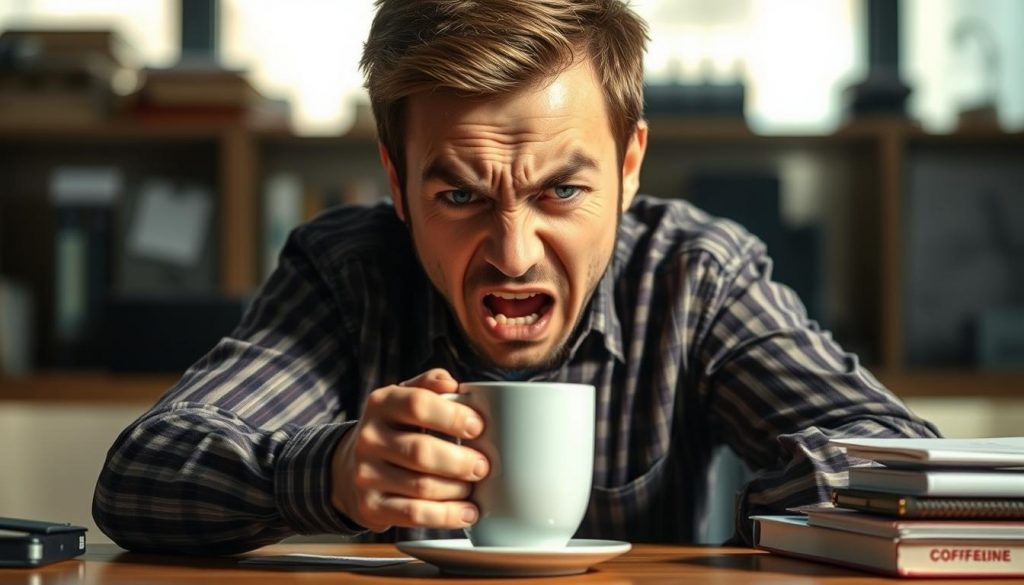
Regular coffee has caffeine, which can upset some people. Signs of caffeine sensitivity include shakiness, anxiety, and a fast heart rate.
If you’re sensitive, regular coffee might make you feel uneasy and mess up your day.
Sleep Quality Impact
Caffeine in regular coffee can mess with your sleep. Drinking too much coffee or too close to bedtime can make it hard to sleep well.
Try to avoid coffee for 4-6 hours before bed for better sleep.
Chemical Residues in Decaf Processing
Decaf coffee might seem safer for caffeine sensitivity, but the decaffeination process can use chemicals. T
he Swiss Water Process is chemical-free, but other methods might use solvents. Knowing how your coffee was decaffeinated can help ease these worries.
Acid Reflux and Stomach Issues
Both decaf and regular coffee can upset your stomach. Coffee’s acidity can cause acid reflux, heartburn, and stomach discomfort.
If you get these symptoms, try a darker roast or a different brewing method, as they might be less acidic.
In summary, being aware of these health concerns can help you enjoy your coffee more. Whether you pick decaf or regular, knowing these points is important for a healthier coffee habit.
Get this great fun Decaf design Today!
Who Should Choose Decaf Over Regular Coffee
Many coffee lovers face a choice between decaf and regular coffee. This decision often depends on health reasons.
If you love coffee but are sensitive to caffeine or have health issues, decaf might be best for you.
Medical Conditions That Warrant Caffeine Reduction
If you have high blood pressure, heart disease, or anxiety, decaf is a safer choice. Caffeine can make these conditions worse.
It can also cause jitters, rapid heartbeat, or insomnia. Switching to decaf can help manage these symptoms.
Pregnancy and Breastfeeding Considerations
Pregnant or breastfeeding women should limit caffeine. Decaf coffee is a low-caffeine option. It lets you enjoy coffee while keeping risks low.
Always talk to your doctor for advice.
Anxiety and Sleep Disorder Management
Regular coffee can worsen anxiety or sleep disorders. Decaf coffee lets you enjoy coffee without caffeine’s negative effects.
It’s a better choice for your anxiety or sleep.
Age-Related Recommendations
Older adults may find decaf coffee more comfortable. It helps them enjoy coffee without affecting sleep or health issues.
Decaf is a good option for aging bodies.
Think about your health and lifestyle when choosing between decaf and regular coffee. If you’re unsure, talking to a healthcare professional is wise. They can give you personalized advice.
Practical Considerations for Daily Consumption
Choosing between decaf and regular coffee involves several practical factors. These factors can help you pick what’s best for your lifestyle and taste.
Cost Differences Between Decaf and Regular
The cost of decaf versus regular coffee is a key consideration. Decaf coffee tends to be pricier because of the decaffeination process.
Yet, the price gap might not sway many people’s choices.
Availability and Selection Comparison
Availability and variety also play a role. Regular coffee is easier to find and comes in more flavors. Decaf coffee, though more common, still trails in variety.
Yet, many brands now offer decaf options, making it simpler to find a decaf that you like.
Transitioning from Regular to Decaf Coffee
Switching to decaf coffee should be done slowly. Start by mixing decaf with regular coffee. This gradual change helps your taste and body adjust.
Best Times of Day for Each Type
When to drink decaf or regular coffee depends on your day and caffeine sensitivity. Regular coffee is best in the morning or early afternoon to avoid sleep issues.
Decaf coffee, being caffeine-free, can be enjoyed anytime, including evenings, without sleep disruption.
Brewing Techniques for Optimal Flavor
Getting the best flavor from coffee, decaf or regular, starts with the right brewing techniques. The right method can make every cup a joy to drink.
Optimal Brewing Methods for Decaf
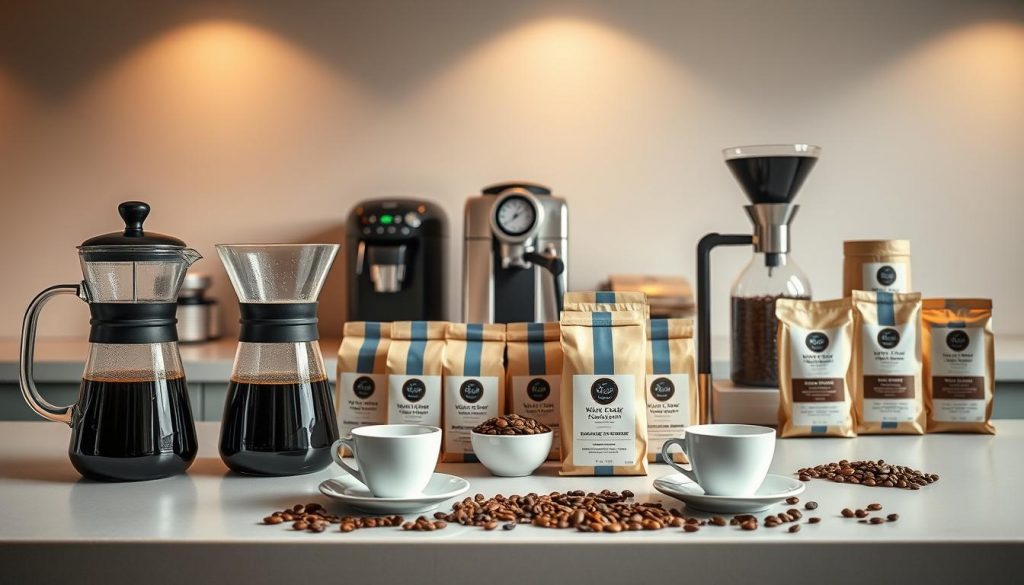
Decaf coffee needs a special brewing method to keep its flavor. Pour-over and French press are top choices. They let you control water temperature and coffee-to-water ratio.
For decaf, use freshly ground beans and adjust the grind size for your brewing method.
A burr grinder is best because it grinds evenly without heating the beans.
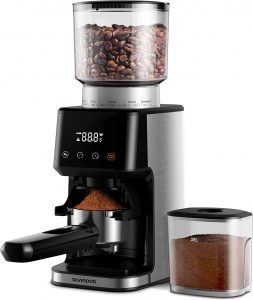
Getting the Most Flavor from Regular Coffee
Regular coffee, with its deeper flavor, can be brewed in many ways. Drip brewing, espresso, and Aeropress each offer a unique taste.
High-quality, fresh beans are key for great-tasting coffee. Try different roast levels and brewing times to find your favorite flavor.
Equipment Considerations for Both Types
The equipment you choose affects your coffee’s taste. For both decaf and regular, a good coffee grinder and a scale are crucial.
| Equipment | Decaf Coffee | Regular Coffee |
|---|---|---|
| Coffee Grinder | Burr grinder recommended for consistent grind | Burr grinder ideal for precise control |
| Brewing Device | Pour-over or French press for nuanced flavor | Drip, espresso, or Aeropress for varied taste |
| Scale | Essential for precise coffee-to-water ratio | Critical for achieving consistent flavor |
Choosing the right equipment and brewing method can improve your coffee experience. Whether you like decaf or regular, you can enjoy a better cup.
Conclusion: Making Your Choice Between Decaf and Regular Coffee
Choosing between decaf and regular coffee depends on your personal taste, health, and lifestyle. We’ve looked at the main differences between decaf and regular coffee. This includes caffeine levels, health benefits, and practical uses.
Think about how caffeine affects you, your sleep, and any health issues you have. If caffeine makes you jittery, decaf might be better.
But if you need caffeine to stay alert, regular coffee could be your choice.
By looking at the good and bad of each, you can pick what’s right for you. Whether you go for decaf or regular, you’ll enjoy coffee’s great taste and smell.
Making this choice is about what’s best for you, and now you have the info to decide.
Get this great fun Decaf design Today!