
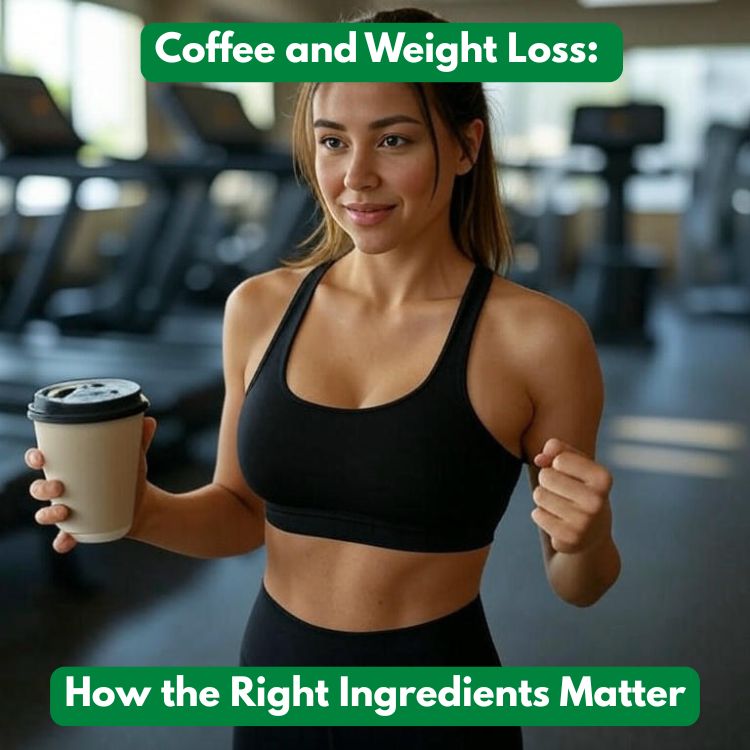
Coffee and Weight Loss: How the Right Ingredients Matter isn’t just a catchy phrase.
There’s something uniquely satisfying about that first cup of coffee—especially when you know it could help with your weight loss goals.
The way you brew your coffee, from choice of beans to mix-ins, can shape how much support your morning ritual gives your metabolism.
Not all coffee ingredients are created equal. A spoonful of sugar or heavy cream may sneak in extra calories that work against your best intentions.
On the flip side, science-backed options like Java Burn blend seamlessly into your daily brew, aiming to boost fat-burning potential while keeping things simple and enjoyable.
In this guide, you’ll discover how thoughtful ingredient choices make a real difference.
Whether you’re a seasoned coffee enthusiast or new to trying coffee-based wellness supplements, we’ll walk you through both the science and the simple habits that help coffee truly work for you.
How Coffee Influences Metabolism and Fat Burning
That morning cup of coffee holds more than comfort—it can kickstart your metabolism.
Coffee’s natural ingredients give your body a little nudge, making it easier to turn calories into energy and encouraging fat breakdown.
But what’s the secret behind this popular brew? Let’s look at how coffee affects metabolic rate, fat storage, and why added extras can sometimes work against your weight loss routine.
Caffeine’s Role in Boosting Metabolic Rate

Photo by Anna Tarazevich
Caffeine, the star player in coffee, works by stimulating the central nervous system. When you drink your favorite brew, you’ll feel more alert and focused.
But that’s not all. Caffeine also signals your body to burn more calories, even when you’re simply relaxing.
Research shows caffeine increases your metabolic rate, which is the pace at which your body uses energy.
In fact, a single cup can raise your calorie burn for a few hours. This extra burn may be modest—usually about 3 to 11%—but every bit counts when you’re looking to support weight loss.
For more detail, check out this helpful overview on how caffeine affects metabolism.
Here’s what caffeine does to help:
- Raises heart rate and breathing, making your body use more energy.
- Encourages fat cells to break down, releasing free fatty acids for energy.
- May improve exercise performance, helping you burn even more calories.
By supporting a faster metabolism, that daily cup lines up perfectly with the main point of Coffee and Weight Loss: How the Right Ingredients Matter.

The Impact of Chlorogenic Acid on Fat Storage and Carbohydrate Absorption
There’s another coffee compound working quietly in the background: chlorogenic acid. Found in high levels in green coffee beans, this natural antioxidant supports fat-burning in two ways.
First, it slows down how your body absorbs carbohydrates, which keeps blood sugar steady. Second, it may help block the build-up of new fat cells, especially around the belly.
Several clinical studies suggest that chlorogenic acid-rich coffee can lead to modest reductions in abdominal fat when part of a balanced diet.
One study published in the PMC found that coffee high in chlorogenic acids supported lower abdominal fat in overweight adults.
For a deeper dive into the science, see this research about chlorogenic acid and fat loss.
Key benefits of chlorogenic acid in your coffee:
- Reduces absorption of sugar and carbs from the gut.
- Limits fat accumulation in liver and body tissues.
- Has antioxidant effects, protecting your cells from stress.
Supplements like Java Burn combine key ingredients, including chlorogenic acid, to work alongside coffee’s natural abilities for better results.
Plain Coffee vs. High-Calorie Additives: The Caloric Trap
Coffee itself is low in calories. It’s almost a guilt-free treat—until you start adding extras.
High-calorie ingredients like sugar, flavored syrups, and heavy cream can change your cup from a metabolism booster to a sneaky calorie bomb.
Let’s break it down:
- A cup of black coffee: usually less than 5 calories.
- One tablespoon of sugar: about 50 calories.
- Popular coffeehouse creamers: often 30+ calories per tablespoon.
If you add a flavored syrup or whip, calories spike quickly. Do this day after day, and those extras add up, making it harder to reach your weight loss goals.
Simple tips to skip the trap:
- Stick to black coffee, or use a splash of unsweetened milk.
- Choose zero-calorie sweeteners if you need a hint of sweetness.
- Try trusted, science-backed products like Java Burn, which blend in easily and work with your wellness goals.
By keeping your coffee routine simple, you get all the metabolic benefits—without the hidden calories.
When it comes to Coffee and Weight Loss: How the Right Ingredients Matter, remember that every scoop and syrup builds up over time.
Choose your ingredients wisely, and your coffee can remain a supportive part of your healthy routine.
Choosing the Right Additives: Ingredients That Enhance or Hinder Weight Loss
There’s more to your morning brew than meets the eye. Picking the right coffee additives can make all the difference in how coffee supports your weight loss and overall well-being.
Some ingredients boost metabolism and keep extra calories at bay, while others sneak in sugars and fats that can slow your progress.
Let’s break down which coffee extras deserve a spot in your cup—and which ones are better left behind.
Science-Backed Coffee Additives for Weight Loss: MCT Oil, Cinnamon, and More

Photo by Harold Mendoza
You don’t have to stick with plain black coffee to keep your goals on track. Smart ingredient swaps can upgrade both taste and nutrition.
Here are a few add-ins that get scientific support for helping with weight management:
- MCT Oil: Medium-chain triglycerides (MCTs) are a type of fat your body burns quickly for energy. Adding MCT oil to coffee can help speed up metabolism, encourage fat burning, and boost satiety. MCT oil may even outpace other fats in promoting moderate weight loss and improved energy. For more on the proven perks, see this registered dietitian’s perspective on MCT oil in coffee.
- Cinnamon: This spice delivers a natural sweetness without any extra calories. It can enhance flavor and support blood sugar balance, which in turn may limit sugar cravings between meals. Some research shows cinnamon may slow gastric emptying and reduce overall food intake.
- Coconut Oil: Like MCT oil, coconut oil offers healthy fats that may raise your metabolism a little and keep you feeling full. Its subtle flavor adds a tropical twist, and studies suggest it can support overall energy while aiding your digestion. See a healthy look at coconut oil in coffee.
- Natural Non-Nutritive Sweeteners: If black coffee feels too harsh, try stevia, monk fruit, or erythritol. These provide the sweetness without the spikes in blood sugar or the empty calories of sugar. They blend easily into hot coffee, so you control both flavor and calorie intake.
It’s worth noting that supplements designed to support metabolism—like Java Burn—blend seamlessly with these healthy additives, helping you stay on track with your weight loss journey while still enjoying a flavorful cup.
Common Coffee Ingredients That Derail Weight Loss Goals
Coffee, by itself, is one of the lowest-calorie beverages you can choose.
But the path from your kitchen counter to your favorite coffee shop sometimes gets littered with extra calories and sugars that can sabotage your efforts.
Let’s spotlight a few common culprits:
- Sugar: Just one sugar packet or tablespoon adds about 50 calories. Regularly adding sugar makes it easy to consume hundreds of extra calories a week, stalling weight loss and encouraging fat gain. A recent study confirmed that adding sugar to coffee is linked with weight gain.
- Flavored Syrups: These popular sweeteners can add more than 100 calories and 20 grams of sugar to a single cup—often without you realizing. Even sugar-free syrups might include artificial sweeteners that aren’t great for gut health.
- Artificial or Dairy Creamers: Many creamers blend sugar, oils, and processed thickeners into a calorie-heavy mix. Even the “sugar-free” varieties can include hidden sugars and artificial additives.
- Whipped Cream: A generous swirl can look harmless but easily piles on 60–100 extra calories or more, with most coming from saturated fat and sugar.
So, what’s the best practice? Go simple. Use a splash of unsweetened oat, almond, or dairy milk if you want creaminess.
Always read labels, and stick to natural flavors and sweetness whenever possible. The easiest way to avoid hidden calories? Brew your coffee at home where you control what goes into your cup.
Want more about coffee’s role in weight management? This article on how coffee affects weight can help you make smarter choices.
Fact-Checking Coffee Fads: Does Lemon Coffee Help?
Every year, a new trend promises effortless weight loss—lemon coffee is just the latest viral hit. The claim? Squeeze fresh lemon into your coffee, and the pounds will melt away faster. So, what do actual experts say?
According to Medical News Today, no reliable research shows that lemon in coffee leads to more weight loss than drinking plain coffee.
While both lemon and coffee have health benefits on their own, lemon doesn’t activate any extra fat-burning powers.
Registered dietitians back this up. Experts at the Cleveland Clinic explain that “lemons do not have special fat-burning qualities.”
While lemons can add vitamin C and a fresh buzz to your drink, they won’t speed up your results.
Coffee, paired with smart choices like adding Java Burn or sticking to natural sweeteners, is a better bet.
The bottom line: While viral trends are fun to try, always look for science-backed advice.
Coffee and Weight Loss: How the Right Ingredients Matter is about choosing what supports real, lasting goals, not quick fixes or fads.
Java Burn: The Science Behind a Thermogenic Coffee Supplement
Ever wonder if your coffee could do more than just perk you up?
Coffee and Weight Loss: How the Right Ingredients Matter takes center stage with products like Java Burn, a supplement made to pair perfectly with your daily cup.
Let’s open up how the ingredients work, the real-world results people see, and how to safely add it to your morning brew.
Active Ingredients and Mechanisms: Green Tea Extract, EGCG, and More

Photo by Jonathan Borba
Java Burn isn’t just a scoop-and-go powder. At its core, it uses ingredients recognized for their fat-burning and energy-supporting powers.
What makes it special is how these ingredients mix with coffee.
Here’s a highlight of the main players in the blend:
- Green Tea Extract and EGCG: EGCG (epigallocatechin gallate) is the star here. This antioxidant helps the body raise heat (thermogenesis) and use stored fat for energy. When blended with caffeine from coffee, EGCG’s effects are even stronger.
- L-Carnitine: Acts like a shuttle for fatty acids, helping your body turn fat into usable fuel with every sip.
- Chromium: This trace mineral helps balance blood sugar, an important piece for anyone hoping to curb cravings.
- Green Coffee Bean Extract: Provides chlorogenic acids that may slow carb absorption and support metabolism, echoing coffee’s natural perks.
- Vitamin D, B6, and B12: These help keep metabolism steady and boost energy—so you feel lively without the jitters.
Each ingredient has science supporting its use. Together, they create what’s called a “thermogenic” effect—gently raising your body’s calorie burn.
This blend works best with coffee because caffeine and EGCG have a known synergy to speed up fat oxidation and boost calorie expenditure.
Research on thermogenic coffee supplements backs this combo for mild but steady fat loss and better metabolic health (see supporting studies).
Read more about the mechanism of Java Burn ingredients in this deep-dive: (PDF) Java Burn Ingredients.
Benefits and Real-Life Results from Java Burn
Curious about how people actually feel with Java Burn in their lives?
Beyond the science, real stories show common themes: lasting energy, a more manageable appetite, and steady but reasonable weight changes.
People often report:
- More Steady Energy: Users say the blend gives a calm, clear type of energy without the “crash” some get from regular coffee drinks.
- Appetite Control: Many find themselves less likely to snack or overeat, which makes healthy routines easier to stick with.
- Gradual Weight Changes: Some share stories of losing a few pounds each month while using Java Burn—especially with a healthy diet and regular movement.
A recent review captures these points well, noting that the unique combination in Java Burn “helps suppress appetite, boosts metabolism, and fuels a sense of motivation in everyday life” (Java Burn Reviews: The Best Metabolism-Boosting Coffee).
What about long-term effects?
A study on nutritionally enriched coffee showed people who used a thermogenic coffee formula for several weeks burned more calories and experienced moderate fat loss without uncomfortable side effects (thermogenic coffee research).
So while you won’t drop dramatic pounds overnight, the results speak to the idea behind Coffee and Weight Loss: How the Right Ingredients Matter—slow, sustainable changes that last.

Safety, Dosage, and How to Add Java Burn to Your Routine
Before you jump in, here’s what to know about taking Java Burn:
- Safe Dosages: Java Burn is packaged so each serving matches the studied doses of green tea extract, L-carnitine, and other core ingredients. For most healthy adults, a packet per day is considered safe when added to a cup of coffee.
- Allergy and Sensitivity Notes: Always read the full ingredient list. Allergies are rare, but if you have sensitivities (like to caffeine or certain minerals), check with your healthcare provider first.
- Who Should Skip It: Pregnant women, nursing mothers, or anyone with heart conditions or ongoing medical issues should talk to a doctor before starting.
- Easy to Use: Open a single packet and stir it into your morning coffee. No flavor, no mess, and you keep your favorite brew just how you like it.
Tips for best results:
- Use Java Burn with your first daily coffee for smooth energy throughout the day.
- Pair with a balanced breakfast—protein and fiber help extend the appetite-suppressing effects.
- Stay hydrated; thermogenic formulas can increase water needs.
As always, supplements like Java Burn are meant to support, not replace, a healthy routine. For more on how these ingredients stack up in research, see this healthy coffee supplement review.
Adding the right blend to your favorite cup, like Java Burn, could make your morning ritual even more rewarding—one simple step in making Coffee and Weight Loss: How the Right Ingredients Matter part of your daily life.
Conclusion
Choosing what goes into your coffee cup shapes much more than flavor—it affects how your daily ritual can fit with realistic weight goals.
Whether you keep it simple with black coffee or add evidence-backed extras like Java Burn, the power lies in thoughtful ingredient selection.
Using coffee as a tool for wellness works best when you keep things balanced and consistent. Focus on smart swaps, quality supplements, and a routine you’ll stick with over time.
Real progress doesn’t come from quick fixes or viral trends but grows from habits that feel right and taste good.
Thank you for being part of the Brew Your Burn community.
What will you try next in your cup? Share your favorite combinations or ideas below and help others stay inspired on their own journey with Coffee and Weight Loss: How the Right Ingredients Matter.