Your Friendly Guide to Choosing the Best Coffee Beans for Energy, Flavor, and Health
Which Coffee Bean Is Right for You?
Coffee can be a tasty and natural way to boost your mood, sharpen your focus, and help you feel more awake.
Choosing the right beans for your cup—whether it’s smooth arabica or bold robusta—matters, especially if you care about flavor, energy, or the health side of things.
Safe coffee drinking, even with options like Java Burn, usually fits well in a balanced routine—just be smart about how much you have each day.
With arabica v robusta, the main thing to know is this: both can be enjoyed in a healthy lifestyle.
You just need to pay attention to your choices and listen to your body. In this guide, you’ll get simple info on making coffee, picking out gear, and getting the most from supplements.
If you’re curious about things like the caffeine content in coffee or tips for making your cup healthier, you’re in the right place.
Arabica v Robusta: The Coffee Showdown
When you think about your morning cup of coffee, you may picture a cozy mug and that rich, comforting smell.
But did you know the type of bean—arabica or robusta—makes a big difference?
This showdown is all about which bean suits you best, from taste and energy to price and what’s actually in your cup.
Let’s break it down and see how arabica v robusta stack up for real-life coffee lovers.
What Makes Arabica and Robusta Different?
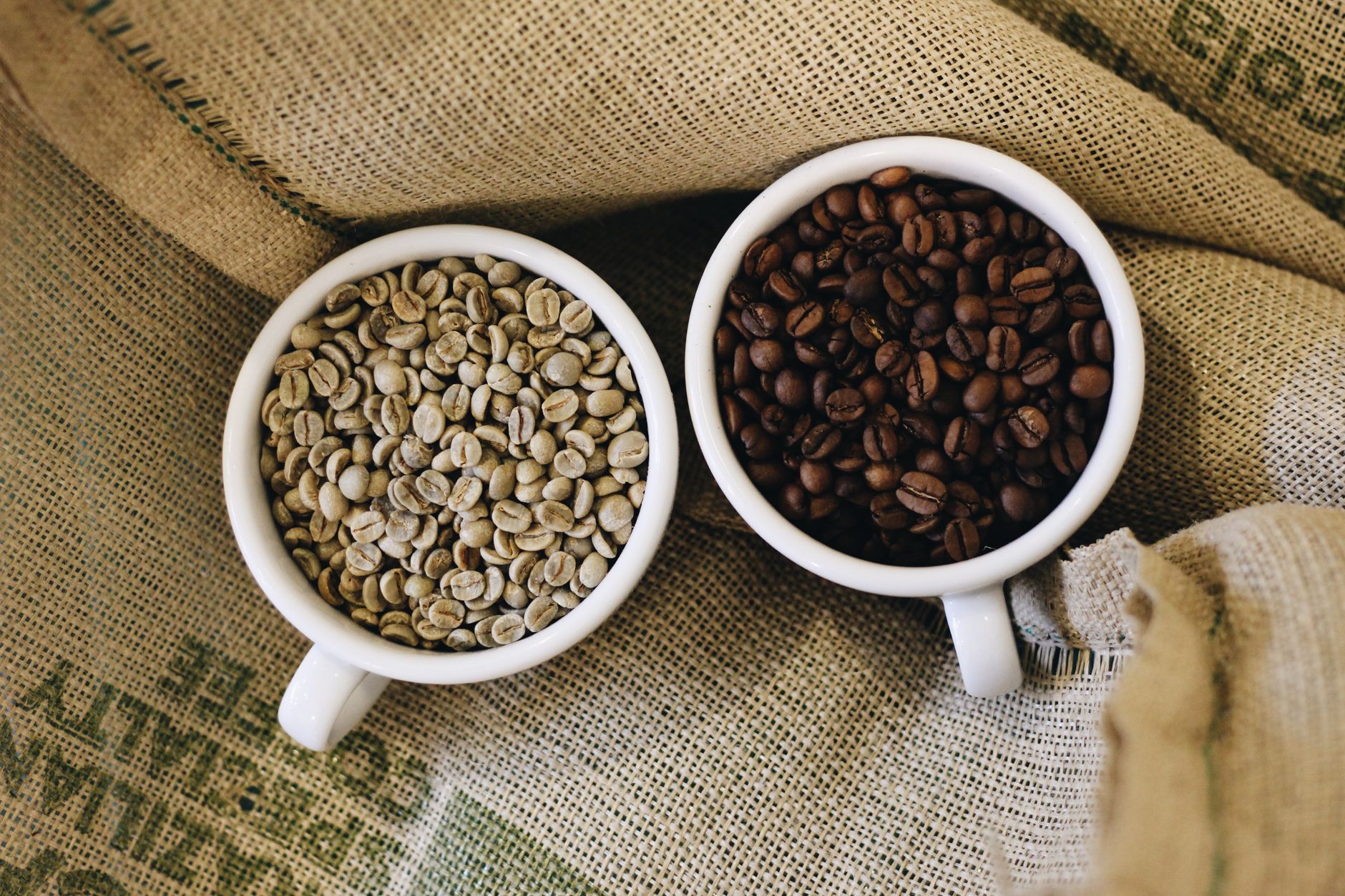 Photo by H. Hümâ Yardim
Arabica and robusta come from two different coffee plants, each with its own story. Here’s a quick look at how these beans differ:
- Botanical differences:
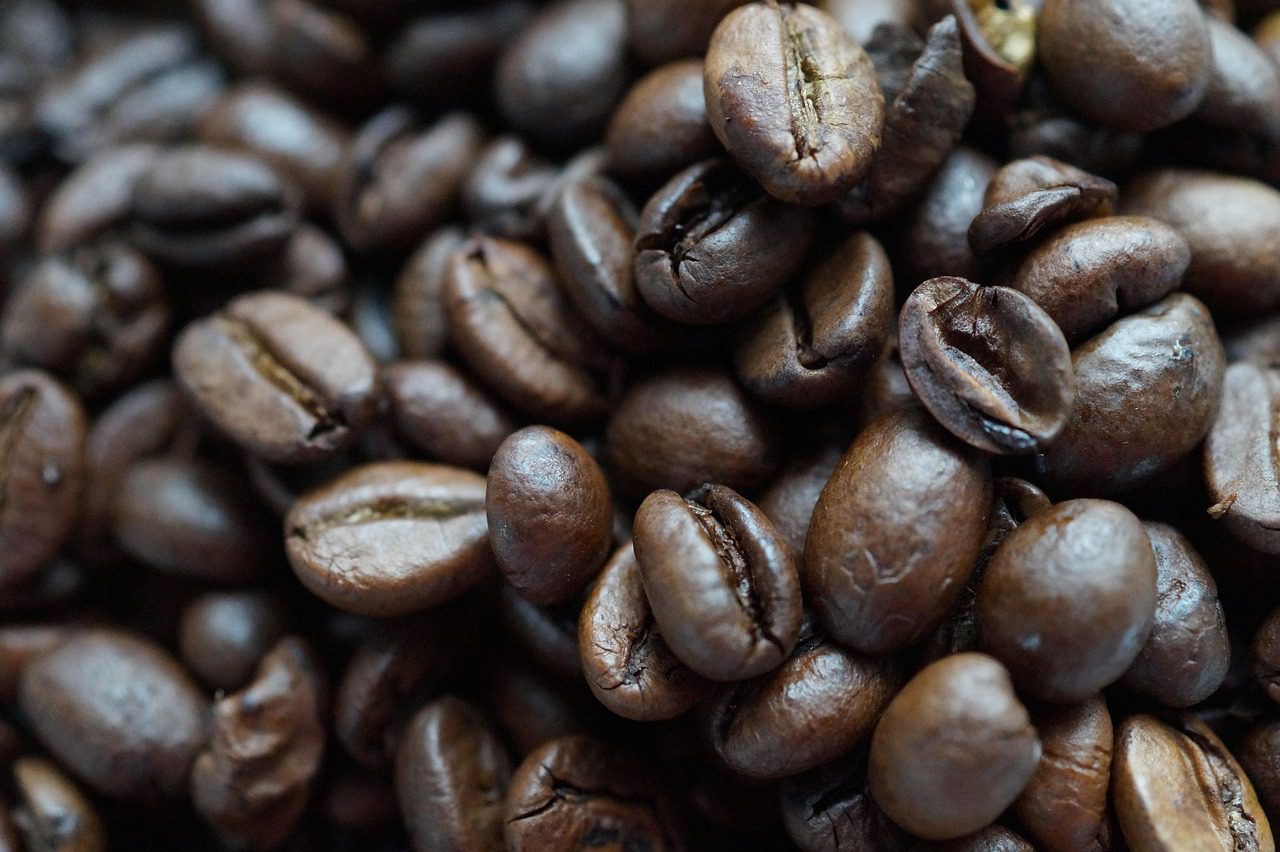
- Arabica beans are oval and a bit larger.
- Robusta beans are rounder and smaller—tough little guys who handle tough weather.
- Flavor profiles:
- Arabica coffee is known for its smooth, sweet, and slightly acidic flavor. Think berries, chocolate, and sometimes even notes of honey.
- Robusta is bold, a bit nutty, and often bitter. It brings a stronger punch and a heavier earthiness, which some coffee fans really like.
- Caffeine content:
- Robusta packs about twice as much caffeine as arabica. If you want an extra jolt, robusta can bring more buzz, while arabica is gentler on your nerves.
- Learn more about the caffeine difference in coffee here.
- Coffee experience:
- Arabica is what you’ll find in most coffee shops—mild, smooth, and crowd-pleasing.
- Robusta often stars in instant coffee and espresso blends, adding body and crema.
For more detailed differences between these beans, see 7 Differences between Arabica and Robusta Coffee and Arabica vs Robusta Coffee: In-Depth Guide to Taste & Quality.
Which Bean is Healthier: Arabica or Robusta?
When choosing between arabica and robusta, health can matter as much as taste.
People are often surprised by how different these beans are on the inside as well.
- Antioxidant levels: Both beans are rich in antioxidants, but robusta usually has more chlorogenic acid. This is great for fighting off cell damage.
- Caffeine: Robusta’s higher caffeine isn’t just for a pick-me-up—it’s also a natural pest fighter for the plant. For people, that means more caffeine per cup, but also more chance of jitters.
- Other healthful compounds: Arabica has a bit more vitamin E and some lipids, which add to its creamy feel in your cup.
Think about your own needs:
- Sensitive to caffeine? Arabica may be better for you, as it’s lower in caffeine but still full of antioxidants.
- Need more of an energy boost in the morning? Robusta can help, especially if you like your cup strong.
- Both types fit within a healthy lifestyle, especially when you use coffee or supplements like Java Burn sensibly.
Looking for more science behind the benefits? Check out this article on how arabica coffee benefits your health and the extra perks of robusta coffee’s antioxidants.
How Arabica and Robusta Impact Your Cup – Taste, Aroma, and Price
Take a sip and you’ll know: arabica and robusta offer two very different coffee experiences.
- Taste:
- Arabica is soft and fruity—good for sipping black or with a splash of milk. It’s a hit for people who love smooth flavor.
- Robusta is bold and bitter, with a heavy mouthfeel. Some call it an “acquired taste,” but it shines in a strong espresso or when blended for extra kick.
- Aroma:
- Arabica fills your kitchen with a floral, sweet scent.
- Robusta smells a bit woody and earthy—less sweet but more powerful.
- Acidity and bitterness:
- Arabica is higher in acidity, making the taste “brighter.”
- Robusta leans bitter, which makes a cup taste stronger.
- Price:
- Arabica beans are pricier. They’re harder to grow, need cooler climates, and are more susceptible to bugs.
- Robusta is typically more affordable. That’s why it often shows up in instant coffee or supermarket blends.
If you want to explore how different brewing styles and beans affect taste, check out tips on making healthier coffee at home or dive into more details on coffee taste and aroma.
No matter what you choose, both beans fit into an enjoyable, wellness-based coffee routine—especially when you pair your cup with mindful habits and supplements like Java Burn to get the best of taste and health.
Brewing Better Coffee: Equipment, Methods, and Freshness Matter
Many people think great coffee comes from a fancy café, but the truth is your kitchen can be the best café in town with just a few changes.
Whether you reach for arabica or robusta, how you make coffee changes the taste, aroma, and even the health benefits in every cup.
Good coffee starts with fresh beans, the right equipment, and a bit of curiosity to try new things. Even your favorite supplement, like Java Burn, can taste better and work better if you get the basics right.
Here are simple, handy tips that make a real difference.
Top Tips for Making Great Coffee at Home
 Photo by Taryn Elliott
Making a coffee shop-worthy cup at home doesn’t have to be tricky.
Small habits add up—especially with arabica v robusta beans.
- Use fresh, whole beans: Coffee tastes best when you grind the beans just before brewing. Freshness is key for both flavor and aroma.
- Pick the right grind size: The grind should match your brewing method. French press likes a coarse grind, while espresso needs something much finer. For more about grind style, check the French Press Coffee Brewing Guide.
- Measure your coffee and water: Get consistent results by measuring. Start with 1–2 tablespoons of coffee per 6 ounces of water, then adjust to taste.
- Use the correct water temperature: Aim for water that’s about 195–205°F (just off the boil). Too hot or too cold throws off both taste and strength.
- Keep your gear clean: Old oils or grounds can ruin even the best beans. A quick rinse after each use works wonders.
- Experiment with ratios: Try more (or less) coffee or water to see what you like best. Both arabica and robusta change flavor depending on the recipe.
- Try brewing with filtered water: Good water makes good coffee—think clear, fresh, and free from weird tastes.
- Store beans properly: Keep your beans in a sealed, airtight container away from light and heat.

Don’t be afraid to change things up. Love a stronger drink? Use more robusta, or try espresso style. Prefer something light and floral?
Arabica is your friend, especially when brewed as pour over or drip.
You’ll find that practicing these habits not only leads to better coffee, but also lets you get the most from your cup—especially if you’re adding Java Burn or want to boost your daily wellness.
For more ideas, check out these efficient coffee making tips that make mornings smoother and tastier.
Choosing the Right Equipment for Your Coffee Goals
Your coffee tool kit shapes each cup, just like the beans you pick.
Arabica v robusta can both shine with the right gear and a little skill.
Here’s a rundown of popular coffee makers and how they pair with each bean:
- Drip machine: Great for everyday arabica or a balanced arabica/robusta blend. Easy to use and perfect for big batches.
- French press: Makes a bold, rich cup—ideal for robusta’s deeper flavor or for highlighting arabica’s smooth edges. The French Press Coffee Guide breaks down the steps if you’re curious.
- Espresso machine: Pulls out robusta’s crema and strong kick or makes arabica extra smooth with a thick body. Essential for traditional espresso lovers.
- Pour over: A gentle way to bring out arabica’s fruity and sweet notes. You control every detail—water, temperature, timing—for a custom cup.
- Single-serve pod machines: Fast and convenient, but sometimes less flavor and freshness. Good for busy mornings if you’re in a rush.
Tips for getting the most from your gear:
- Read the manual—even a fancy machine can’t fix bad technique.
- Adjust grind size and ratio to your machine, not just the bean type.
- Clean all parts often, especially with darker robusta blends (oil builds up faster).
- Taste your way to better coffee—learn how your device changes the flavors in arabica v robusta.
- If you want a simple upgrade, fresh beans and a burr grinder make a huge difference.
If you want to dive into espresso, check out these espresso drinking tips for healthy, bold flavors. For those who prefer speed over style, here are some coffee hacks for busy mornings using modern equipment.
Remember, the tool matters—but your attention does too.
A well-cared-for drip pot can brew a fantastic cup, especially if you are thoughtful about your beans, grind, and water.
With a little practice, you’ll pull out the best in both arabica and robusta—making every cup a treat, whether you drink it black, with milk, or as part of your Java Burn routine.
Supplements and Smart Coffee: Using Java Burn Safely
Many people who love their daily coffee want to get even more out of the cup—better energy, fewer cravings, maybe even a little bit of extra focus.
That’s where coffee supplements and smart add-ins like Java Burn step in.
Whether you’re all about classic arabica v robusta or keen to shake up your usual routine, there are smart ways to make these extras work for you.
Here’s how to stay safe and make sure your coffee and supplements fuel both your energy and your well-being.
What to Know Before Adding Coffee Supplements
Before you scoop any powder into your coffee or try something new, it’s good to know what’s inside and how it might affect you.
Lots of supplements, including smart coffee mixes, rely on a few common ingredients:
- Caffeine: The main energizer in both arabica v robusta, also found in many coffee boosters.
- Green tea extract: Popular for its metabolism-boosting compounds.
- L-Carnitine: An amino acid often linked with energy and fat use.
- Chromium: Sometimes included to help keep blood sugar stable.
These add-ins can help with energy, alertness, and focus. Some even support metabolism, which is why products like Java Burn interest so many coffee fans.
Safety matters. Here are some quick tips:
- Start small: If you’re new to a supplement, use a lower dose first to see how you feel.
- Read labels: Double-check for allergens, extra caffeine, or anything your doctor told you to avoid.
- Personal health: If you’re sensitive to caffeine, pregnant, breastfeeding, or have any health conditions, check with your healthcare provider.
- Kids and teens: Most experts recommend supplements like Java Burn for adults only—kids and teens don’t need the extra boost.
Curious or not sure which supplement fits your needs?
Hop over to the Coffee Q&A Platform Free Access to ask questions and get advice from others who share your love of great coffee.
Can Java Burn Really Help You Feel Healthier?
 Photo by Vlada Karpovich
Java Burn isn’t just a clever name. It’s a supplement you add to coffee, promising benefits like more energy, better focus, and support for a healthy metabolism. But does it really deliver?
Many people say they notice these changes:
- More steady energy (no caffeine crash)
- Feeling less hungry between meals
- Easier to focus, especially in the morning
Science explains why: Java Burn blends coffee’s natural caffeine with green tea extract and other metabolism-supporting ingredients. Research shows that green tea and the right amount of caffeine can work together to give a gentle lift, without overloading your system (Java Burn Under Review).
Actual users report that sticking to one cup of Java Burn in their daily coffee is enough to notice a difference, but effects are always personal.
What works for one person might feel different for another, especially if they’re used to classic arabica v robusta brews.
Looking for even more real-talk reviews and research? Here’s a rundown from Java Burn Reviews: The Best Metabolism-Boosting Coffee.

Coffee and Health: Getting the Most Benefits Safely
Coffee, with or without supplements, offers a lot of healthy perks if you drink it wisely.
Here’s how to enjoy arabica v robusta (or a smart cup with Java Burn) while keeping health top of mind:
- Hydrate, hydrate, hydrate: Coffee can be energizing, but you still need plenty of water. Drink a glass of water along with your coffee.
- Skip (or limit) the sugar: Sweeteners add up quickly. Choose spices like cinnamon for flavor or a splash of milk if you want something creamy.
- Know your limits: Everyone’s caffeine “sweet spot” is different. Some folks can handle two strong cups, while others feel jittery after one.
- Keep it simple: The more you add to your coffee, the more you need to pay attention. Stick to the basics or trusted supplements like Java Burn.
- Eat with your coffee: Having coffee along with breakfast helps slow the caffeine release and keeps your energy steady.
For more easy tips and facts about how java—especially arabica v robusta—can help you feel your best, explore these health benefits of coffee and some science-backed reasons why coffee is good for you from Hopkins Medicine.
Smart habits keep coffee and products like Java Burn a safe, welcome part of your routine—and help you get the most out of every cup!
Conclusion
Choosing between arabica v robusta comes down to what matters most for your morning cup—taste, caffeine kick, cost, or health perks. Both are solid choices for coffee fans looking for energy and comfort, whether brewed alone or with helpful supplements like Java Burn.
A healthy coffee routine means picking a bean you enjoy, using the right gear, and listening to your body.
If you want even better coffee at home, check out the Coffee Brewing Guides Collection for easy steps from bean to mug.
For those curious about the link between coffee and your immune system—or safe tips for using coffee supplements—visit the guide on coffee and immune system.
Thanks for spending time here and making your health (and coffee) a priority. Have a favorite arabica v robusta moment or tip?
Feel free to share it with others. Enjoy your next cup, and stay tuned for more ways to make coffee work even better for your daily wellness.
FAQs
1. What’s the main difference between arabica v robusta?
Arabica tastes smooth and sweet, while robusta is stronger and more bitter. Robusta also has more caffeine.
2. What’s the best way to brew tasty coffee at home?
Use fresh, whole beans and the right grind for your brewing method. Simple changes—like good water and clean gear—really help. For step-by-step coffee tips, see our Coffee Brewing Guides Collection.
3. Does my coffee equipment matter?
Yes! French presses, drip machines, and espresso makers all bring out different flavors in arabica v robusta.
Try a few methods to see what you like best.
4. Are coffee supplements safe?
Most are safe for healthy adults if used as directed. Always start with small amounts, check the label, and talk to your doctor if you have any health questions.
Curious how coffee affects immunity? Explore our coffee and immune system guide.
5. How does Java Burn fit into a healthy life?
Java Burn is designed to boost energy and support metabolism when added to your daily coffee. Use it wisely and keep your coffee habits balanced for the best results.
Thanks for reading and happy sipping!